
Table of Contents
- Balaclava
- Neck scarf
- Brimmed Hat
- Hiking/Sport Bra
- Long Sleeve
- Soft Shell/ Fleece Jacket
- Poncho
- Glove Liners
- Gym Shoes
- Gaiters
- Leggings/ Long Underwear
- Wool Socks
- Hard Shell/ Windbreaker Pants
- Hiking Water Bottle
- Sleeping Bag Liner
- Dry Bag
- Trekking Poles
- Chemical Toilet
- Pee Bottle (For Women)
- Lip Screen
- Trail Snacks
- Sunscreen
- Camera
- Blister Prevention
- Frequently Asked Questions
The summits of Mt Kilimanjaro are covered in glaciers and snow, and the temperature at night often drops to below -10c to -15c so you are going to need a good sleeping bag. A closed mattress is also advisable if you are going to sleep on the ground as it provides the necessary insulation under your body and is far more comfortable and are provided by us during your trekking.
A good set of warm clothes is equally important and that should include some sort of headgear and gloves. As it can rain at any time of year and heavily — you will also need waterproof clothing. A decent pair of hiking boots is an advantage for this trek. A pair of joggers is quite adequate most of the time though it’s a good idea to have a pair of thongs, sandals or canvas tennis shoes to wear in the evening at the camp if your main shoes get wet.
Remember that it’s not a good idea to sleep in clothes which you have worn during the day because the sweat which your day clothes absorb from your skin keep them moist at night and so reduce their heat-retention capabilities. If you don’t intend to stay in the huts along the way you’ll need a tent and associated equipment which we normally provide.
Unless you intend to eat only canned and dried food along the way (not recommended) our mountain local professional chef have basic cooking equipment and a water container to refill your bottles with treated and filtered water from the mountain streams with a capacity of at least one to three litre per person everyday. Our porters have the rucksack that they can carry your luggage including theirs with a limited of 20kg per person, so bring as less as you can (with maximum of 15kg).
If you wonder want to bring during your trek, below is the list of the important equipment even though all the gear you need for the trek can be hired in Moshi Town (Kilimanjaro base town).
HEAD WEAR GEAR
-Price Per Trek and not per day-
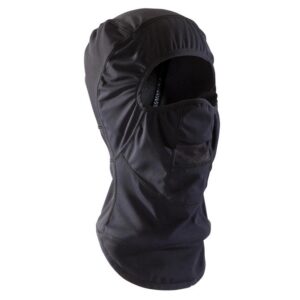
Balaclava
Essential especially on the summit day. Help prevent your face and neck from strong wind and cold and leave you warm.
Quantity : 1
Renting Prices : USD $ 10
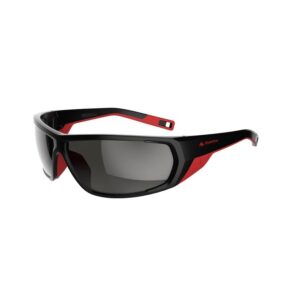
Sun Glasses
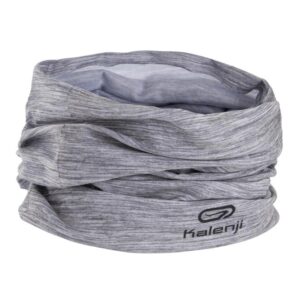
Neck scarf
Can be used as an optional gear around the neck to prevent you from cold and strong wind while trekking.
Quantity : 1
Renting Prices : USD $ 7
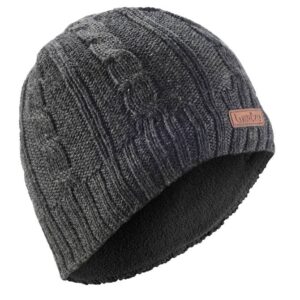
Warm Hat/ Insulated Hat
Bring moister wicking fabric wool hat with lightweight material which cover most part of your head including ears.
Quantity : 1
Renting Prices : USD $ 5
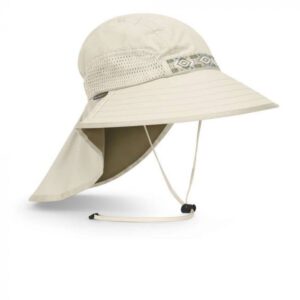
Brimmed Hat
Helps you protect from wind and sun during day hiking and cover your face, ears and neck with shed while trekking.
Quantity : 1
Renting Prices : USD $ 7
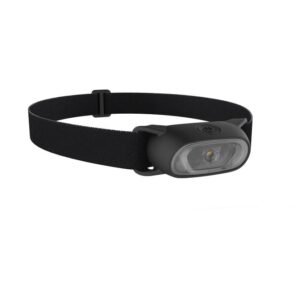
Head Lamp
Useful during the night at the campsite and much useful on the summit night when you need light to see the trail.
Quantity : 1
Renting Prices : USD $ 12
UPPER BODY GEAR
-Prices Per Trek-
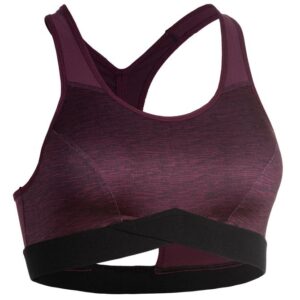
Hiking/Sport Bra
Good for women. Bring moisture wicking fabric bra with lightweight material which can absorb wet from the sweat and leave you comfortable.
Quantity : 3-4
Renting Prices : Not Rented
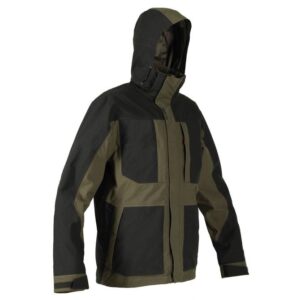
Hard Shell Jacket
When trekking Kilimanjaro, there is high chances to encounter rain, hence waterproof and breathable hard shell with a hood is a must to bring. It will help you protect from wind rain and snow especially on the summit day.
Quantity : 1
Renting Prices : USD $ 15
Long Sleeve
Bring a lightweight fabric polyester that will help provide you with more room for breathing and keeps you away from moister while trekking.
Quantity : 2
Renting Prices : USD $ 10
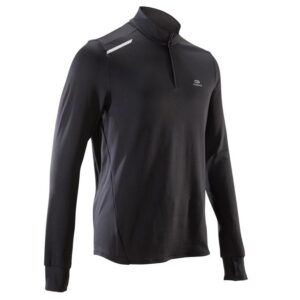
Soft Shell/ Fleece Jacket
Bring water resistance and well breathable jacket which you can use to keeps wick moisture away and leave you comfortable and easy to stretch while trekking on a mid temperature.
Quantity : 1
Renting Prices : USD $ 10
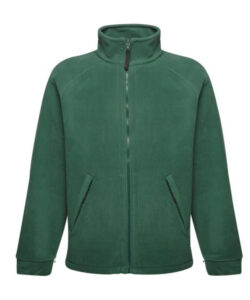
Insulated/Fleece Jacket
Find one with synthetic and insulate material that can keep you warm than other non insulated jackets. This will be very crucial especially at the basecamp where it can be extremely cold.
Quantity : 1
Renting Prices : USD $ 10
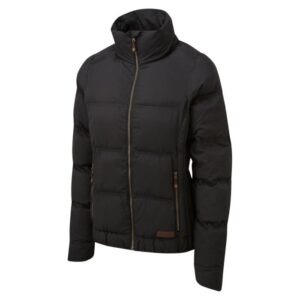
Short Sleeved/T-Shirt
A lightweight, comfortable merino products which can dry easily when it gets wet from sweat. It is also refer as a first layer when putting on hiking clothes.
Quantity : 3-4
Renting Prices : USD $ 7
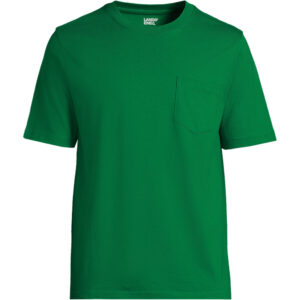
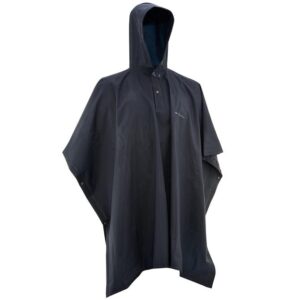
Poncho
You are not going to use an umbrella during a hiking. A poncho is a good idea, it can also cover your backpack. Bring one which cover most part of your body. Make sure it is watertight.
Quantity : 1
Renting Prices : USD $ 15
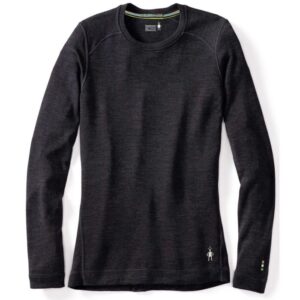
Thermal T-shirt/ Base Layer
Lightweight and wicking fabric is a good idea and make sure its attach itself with the skin and helps you keeps away from the sweat and leave you dry.
Quantity : 2
Renting Prices : USD $ 7
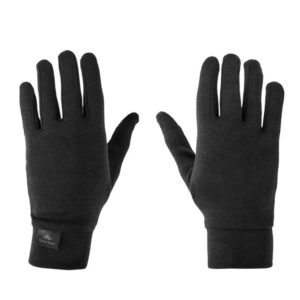
Glove Liners
This is an optional gear which can be worn inside the gloves and helps increase warmth and comfort especially on the summit day.
Quantity : 1
Renting Prices : USD $ 7
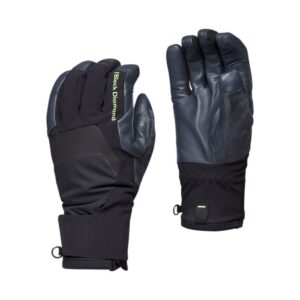
Thermal Gloves
We recommend warm and waterproof gloves that can prevent you from cold and blisters while holding rocks or trekking poles.
Quantity : 1
Renting Prices : USD $ 10
FOOT WEAR GEAR
Prices Per Trek
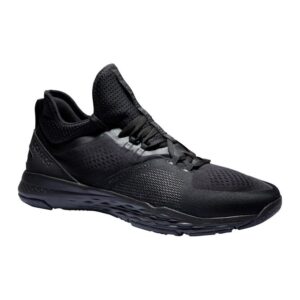
Gym Shoes
Bring an extra pair of gym or tennis shoe which can be worn while at the campsite and take a rest form your hiking boots.
Quantity : 1
Renting Prices : USD $ 20
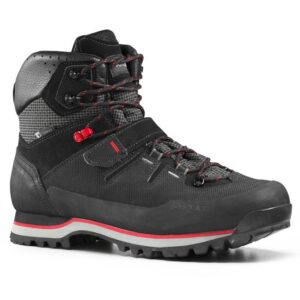
Hiking Boots
Bring a nice high-cut hiking boot that fits you (make sure you wear them around before going on a tour) which rises above your ankle to provide support and balance.
Quantity : 1
Renting Prices : USD $ 30
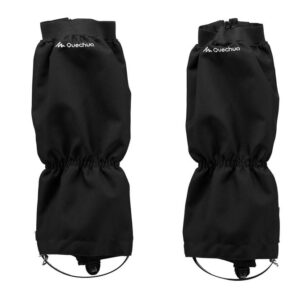
Gaiters
Gaiters
Not necessary to have but the waterproof one will help prevent you from rain and snow as well as stones from entering your shoes if you do not have a good trekking trouser.
Quantity : 1
Renting Prices : USD $ 15
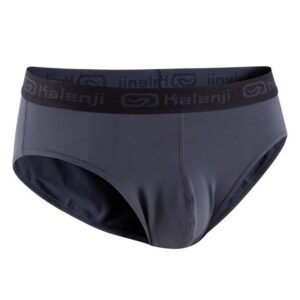
Underwear
It should be easy and quick to dry when gets wet. Bring with lightweight material like wool, breathable and moisture – wicking fabric that can leave you dry and comfortable.
Quantity : 4-5
Renting Prices : Not for Rent
Leggings/ Long Underwear
Famous known as thermal underwear, helps keep your body warm and breathable. We recommend wicking-fabric material which can keep you away from moisture and easy to dry.
Quantity : 1-2
Renting Prices : USD $ 10
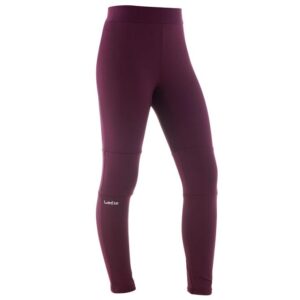
Liner Socks
Bring a thin lightweight liner socks that you can wear under your regular wool hiking socks. The liner should be moisture wicking that can prevent you from moister and help reduce frictions while keep you away from the risk of blisters.
Quantity : 3-4
Renting Prices : USD $ 5
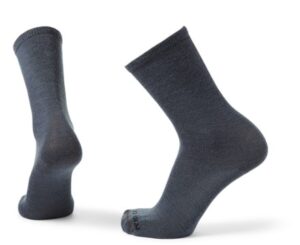
Wool Socks
Bring a medium cushion and lightweight wool socks which are warm and long enough to keep you comfortable on the trail and easy to dry when get wet. Make sure they fit so they wont bring you blisters.
Quantity : 1-2
Renting Prices : USD $ 5
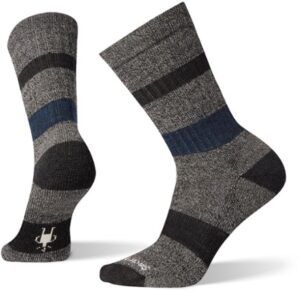
Soft Shell/Fleece Pants
Normal hiking pants are not enough when trekking Kilimanjaro mountain. Bring a soft shell with lightweight material and water resistance which can add extra warmth while trekking.
Quantity : 1
Renting Prices : USD $ 10
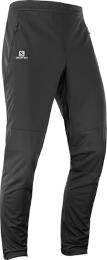
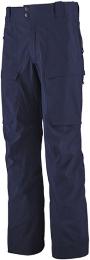
Hard Shell/ Windbreaker Pants
Prevent you against wind, rain and snow, hard shell pant is very crucial when trekking Kilimanjaro especially on the summit day. Bring a lightweight, comfortable and waterproof one with nylon material. You can also rent a good pair in Moshi as well.
Quantity : 1
Renting Prices : USD $ 10
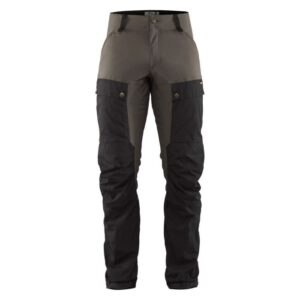
Hiking /Walking Trouser
We recommend lightweight, super stretchy and water repellent trouser also quick to dry when it get wet. Find one with zip pockets to install your small things like lip screen and camera. Make sure it has knee zip which can help easy convert to short and become breathable.
Quantity : 1
Renting Prices : USD $ 10
BASIC GEAR
-Prices Per Trek-
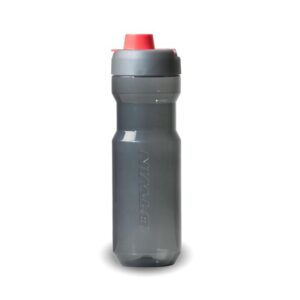
Hiking Water Bottle
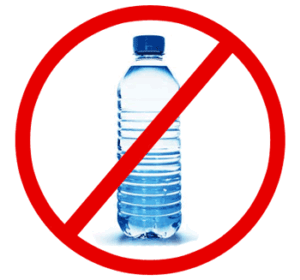
Only hiking bottle (thermally protected) are allowed on Kilimanjaro mountain and not normal plastic bottle from the market. Bring one that can take a good capacity of water (you will need to take 3 litters per day) with lightweight material and easy to open/use.
Quantity : 1
Renting Prices : USD $ 10
Sleeping Bag
We recommend synthetic insulation sleeping bag which can give you much warmth. Find a lightweight one and with a lower limit temperature of -30c. Make sure it fits you and with a mummy style which is recommended by many travellers.
Quantity : 1
Renting Prices : USD $ 40
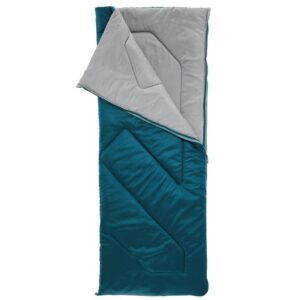
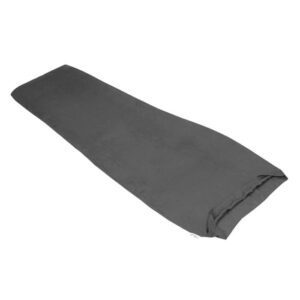
Sleeping Bag Liner
Many hikers will use fleece jacket as a substitute to this. But a lightweight with silk material can be a good option. Liner will help keep your sleeping bag clean and free from body oils.
Quantity : 1
Renting Prices : USD $ 20
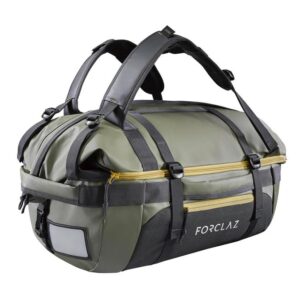
Waterproof Duffle Bag
Bring a kit bag with capacity of 80 to 90 liters which can be use to store things that you are not use during a day hike which will be carried by the porters until you arrive to the campsite.
Quantity : 1
Renting Prices : USD $ 30
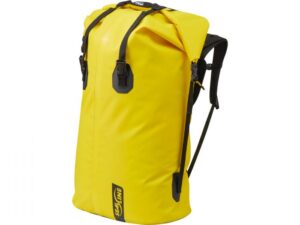
Dry Bag
This will work best if your duffle bag is not waterproof. Bring a large size kit bag of more than 70L that will help keep your gears dry and away from dust.
Quantity : 1
Renting Prices : USD $ 20
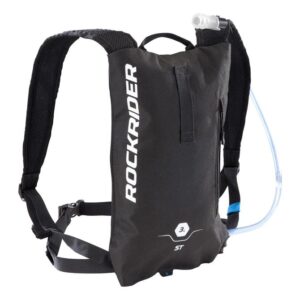
Hydration Pack/ Camel Pack
Convenient except on the summit day when the pipe will freeze due to extreme cold. Bring one that fits you with good features and with a maximum of 3 liters.
Quantity : 1
Renting Prices : USD $ 25
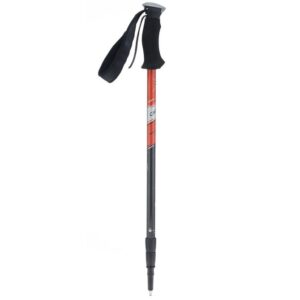
Trekking Poles
Very crucial especially when trekking down. Bring Bring a lightweight, comfortable and easy to adjust. You can rent a good pair in Moshi as well.
Quantity : 1
Renting Prices : USD $ 20
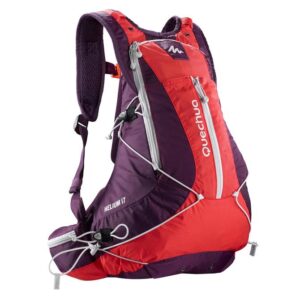
Backpack/ Day Pack
Your backpack will be used to store your daily usual things like hut, water, sunglasses, camera, sunscreen etc and the rest of the stuff can be placed in a duffle bag and carried by porters till you reach the campsite.
Quantity : 1
Renting Prices : USD $ 30
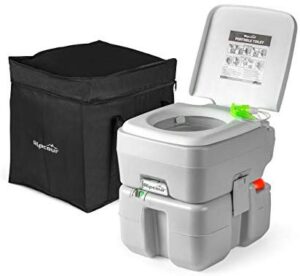
Chemical Toilet
Your backpack will be used to store your daily usual things like hut, water, sunglasses, camera, sunscreen etc and the rest of the stuff can be placed in a duffle bag and carried by porters till you reach the campsite.
Quantity : 1
Renting Prices : USD $ 100
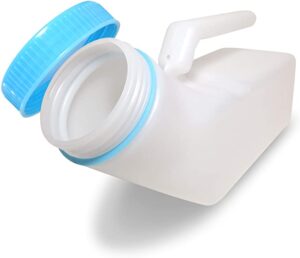
Pee Bottle (For Men)
We recommend. Help you not leaving your sleeping bag or liner during the freezing nights in the tents. And pee itself can be used to keep you warm.
Quantity : 1
Renting Prices : Not for Rent
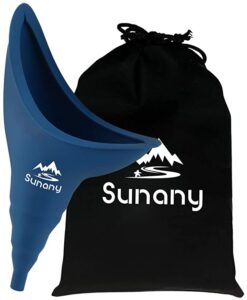
Pee Bottle (For Women)
We recommend. Help you not leaving your sleeping bag or liner during the freezing nights in the tents. And pee itself can be used to keep you warm.
Quantity : 1
Renting Prices : Not for Rent
PERSONAL ITEM
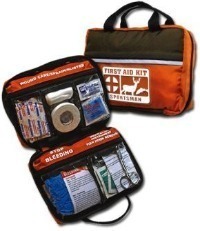
Personal Medical Kit
Bring any current medication you are on and most important plasters and bandages. You can also bring Diamox though we recommend you starting before the trek for the better acclimatisation. Pain killers are useful as well as throat pastilles. Anti Malaria is also crucial though there no mosquitoes while on the mountain.
Quantity : 1
Renting Prices : Not for Rent
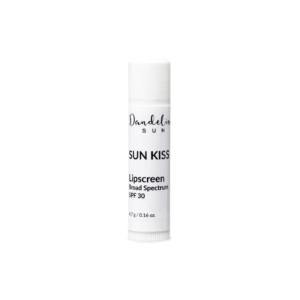
Lip Screen
Help you protect your lips from strong sun rays also very crucial especially when it’s windy and dusty on the way. Bring your favorite one.
Quantity : 1
Renting Prices : Not for Rent
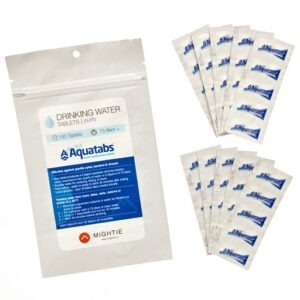
Water purification Tablets
Water on Kilimanjaro except for the first day is coming from the natural streams. They will be boiled and filtered before given to you. But you can also bring personal water purification tablet that can help kill micro organisms and make it more safe.
Quantity : 1
Renting Prices : Not for Rent
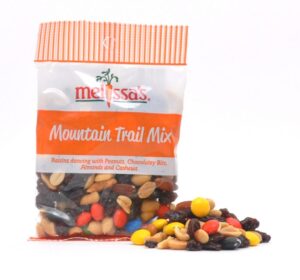
Trail Snacks
Very crucial especially on the summit night when you will have no appetite for food. Snacks helps your body keep going and increase your energy by provide glucose to the blood. Bring your favorite one.
Quantity : 1
Renting Prices : Not for Rent
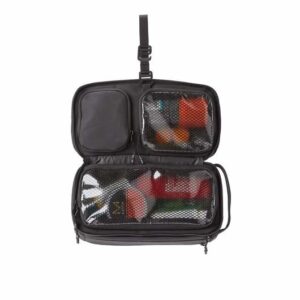
Toiletry Bag
Bring a toothpaste and toothbrush, nail brush since it can be dusty. Deodorant spray and Toilet paper. Contact lesences can be brought to the mountain but with best care especialy on the summit day
Quantity : 1
Renting Prices : Not for Rent
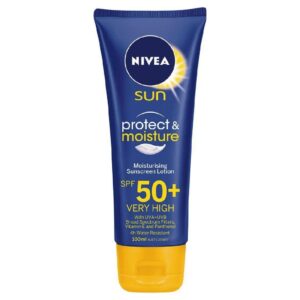
Sunscreen
Very crucial and important to prevent against strong sun rays. Bring very high (50+) sun protection factor (SPF) that can resist UV rays.
Quantity: 1
Renting Prices: Not for Rent
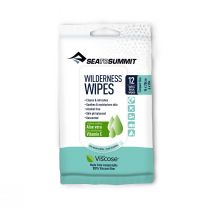
Wet Wipes
Important to bring especially after using the toilets but make sure you dispose them in the right place (dustbin on the way or at the campsite).
Quantity : 1
Renting Prices : Not for Rent
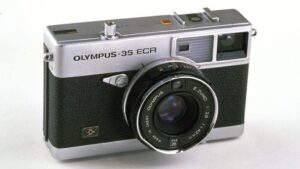
Camera
You will of course need some good memory. A camera with extra batteries will be useful for the nice pictures.
Quantity : 1
Renting Prices : Not for Rent
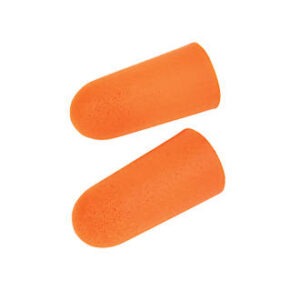
Ear Plugs
Sometimes it can be noise at the campsite, though your guide will find a nice spot for you to camp and sleep still an ear plug is useful for those who are hard to get some sleep.
Quantity : 1
Renting Prices : Not for Rent
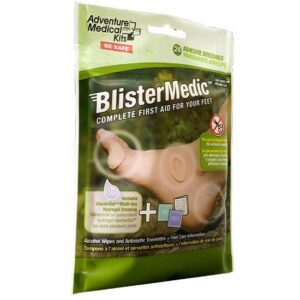
Blister Prevention
After a long walk of trekking then it is possible to get blisters. Bring blister plasters which can help you keep going and enjoy the trek.
Quantity : 1
Renting Prices : Not for Rent
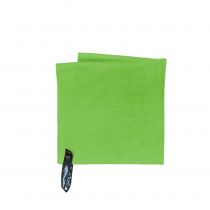
Hiking Towel
We recommend polyester material for quick drying and lightweight for better packing. You will need this since we provide hot water for washing everyday.
Quantity : 2
Renting Prices : Not for Rent
Any lost/damaged items will be charged according to fair estimated value. In case you want to know what to bring during your safari to the national parks please see the information here.
Frequently Asked Questions
What are the most important clothing items to pack?
When climbing Mount Kilimanjaro, layering is the key to staying comfortable in changing temperatures. You’ll need moisture, wicking base layers, warm mid, layers like fleece, and an insulated outer jacket for cold conditions. A waterproof jacket and pants are essential to protect you from rain and wind. Don’t forget thermal underwear, gloves, and a warm hat for summit night. Good, quality clothing can make a big difference in both comfort and safety.
What kind of footwear is best for Kilimanjaro?
Choosing the right footwear is crucial for trekking Mount Kilimanjaro. You’ll need sturdy, well, broken, in hiking boots that provide ankle support and grip on uneven terrain. Blisters can quickly ruin your climb, so proper fit and comfort are essential. It’s also helpful to pack several pairs of moisture, wicking socks to keep your feet dry. Some climbers bring lightweight shoes or sandals to wear around camp after long hiking days.
What gear and equipment should I bring?
A good backpack, sleeping bag, and trekking poles are essential for climbing Mount Kilimanjaro. Your daypack should carry items like water, snacks, a camera, and extra layers. A warm sleeping bag rated for sub, zero temperatures is important for cold nights on the mountain. Trekking poles help reduce strain on your knees, especially during descents. A headlamp with extra batteries is also a must for the early morning summit push.
What personal and health items should I pack?
Personal and health items are just as important as your main gear when climbing Mount Kilimanjaro. Sunscreen, lip balm, and sunglasses protect you from strong UV rays at high altitude. A basic first aid kit should include pain relievers, blister treatment, and any personal medications. Wet wipes, hand sanitizer, and toiletries help you stay clean during the trek. Staying hydrated is critical, so bring a reusable water bottle or hydration system.
Are there items I don’t need to bring?
Many first, time climbers overpack for Mount Kilimanjaro, which can make the trek more difficult. Avoid bringing unnecessary electronics, heavy books, or too many clothing items. Most tour operators provide shared equipment like tents, cooking gear, and sometimes sleeping mats. Porters carry the bulk of your gear, but there are weight limits you must respect. Packing light but smart will make your climb more comfortable and enjoyable.
Still have questions?
Our local safari experts are happy to help you plan the perfect African safari.


