Table of Contents
- Day 1: Arrival Day
- Day 2:Drive to Longido and Trek approx 10kms trek Arrive in Longido
- Day 3: Longido to Kitumbeine – 22kms
- Day 4:Kitumbeine Mountain & Village – approx 16kms
- Day 5: Across Dustpans of Nagarirat to Gelai – approx 18kms
- Day 6: Sunken Crater and the Lava Plains approx 22kms
- Day 7: To Engaruka – approx 15-30kms
- Day 8:Engaruka to Arusha
- Day 9: From Arusha or Ngorongoro – Kilimanjaro Airport /Nairobi Transfer
- Frequently Asked Questions
This challenge takes place in the wild African bush, home to several Maasai communities. Perhaps the most revered of the great African nomadic tribes, the Maasai originated in the Nile basin and migrated south through Ethiopia to Kenya and Tanzania in the seventeenth and eighteenth centuries. They were then known as the fiercest of warriors. Now they struggle to retain their modest lifestyle.
Starting in the foothills of 2,590m tall Mt. Longidio, a sacred Maasai mountain, you will trek across the floor of the Great Rift Valley right to the foothills of the visually stunning Crater Highlands with the Maasai as your guides. En route, you will also have the chance to visit Mt Kitumbeine; on whose higher slopes are hidden remote Maasai settlements.
Once the challenge is complete, you can celebrate with a viewing of the Ngorongoro Crater or go on an optional game drive into the crater.OR drive and fly back home direct.
Day 1: Arrival Day
International Departure. Arriving in Kilimanjaro International Air Port. Meet and Great by Kilimanjaro ASAP transfer to the Green Mountain Lodge, Dinner and Overnight at the Hotel in Arusha.
Day 2: Drive to Longido and Trek approx 10kms trek Arrive in Longido
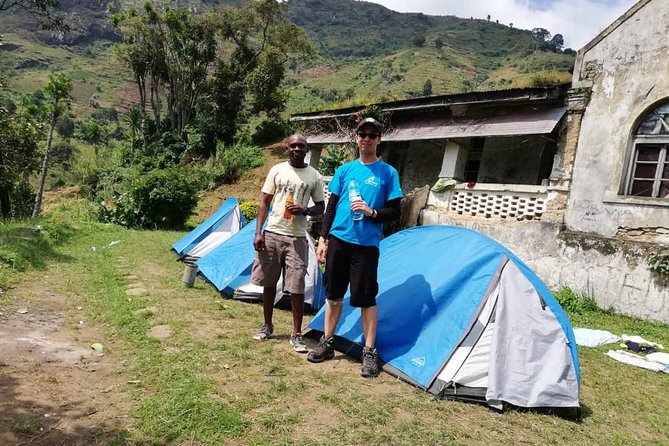
This morning you will depart Arusha by bus to Longido (approx 2hrs) and drive a further half hour to Kawawa Camp located in the foothills of the dramatic Mt. Longido. This is one of the few high peaks in the region that is not volcanic. You will then have an afternoon trek in the bush to the small community of Longido to help acclimatize you to the African bush, allow you to test your equipment and give you a great insight into typical African acacia bush country. The climate will be very hot and dry and may be quite a different style of trekking to the training you may have undertaken. This trek will help you to adjust sufficiently to local conditions. Tonight will be spent in camp.
Day 3: Longido to Kitumbeine – 22kms
Today a vehicle uplift will take you approx 20 kms further into the bush heading west towards Kitumbeine to reach the day’s trek start-point. You will trek a tough 22kms towards the majestic volcano – Kitumbeine.
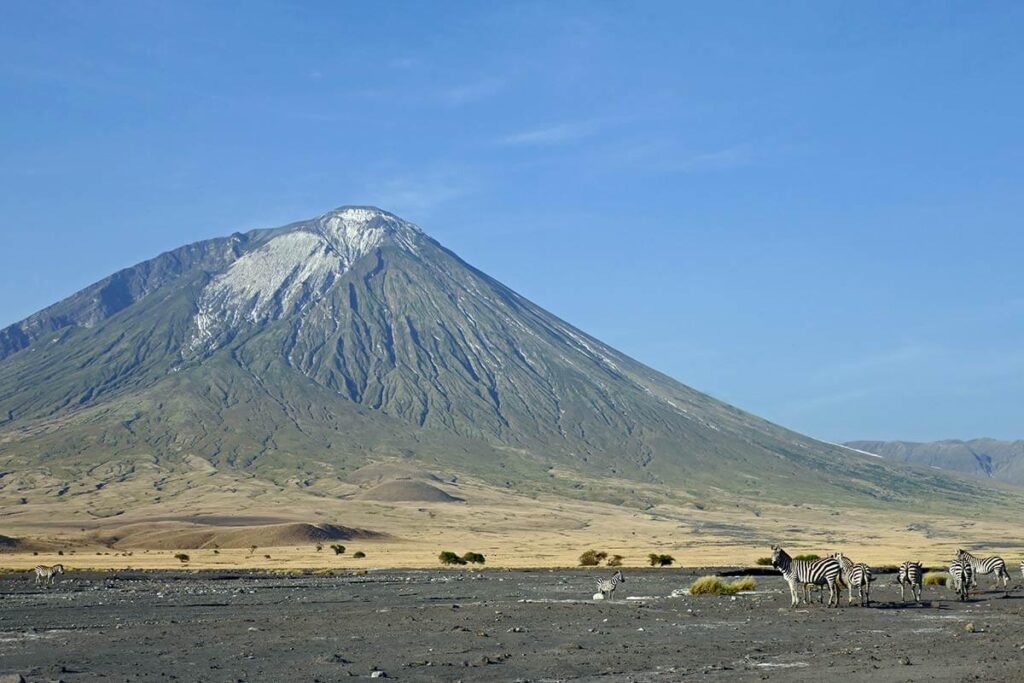
Passing Maasai villages and herdsmen, you will today have your first views of the celebrated mountain Ol Doinyo Lengai (2,878m), the most sacred Maasai mountain in the region. As on most days from now on, you will have a packed lunch provided. The trail is sandy and sometimes rocky all the way through to Kitumbeine, with only porous dust soil in the last 7kms before reaching the village camp. About 2kms beyond Kitumbeine Village is Kitumbeine Camp Your trek today will give you a real understanding of how hardy the Maasai are, who walk these distances regularly.
By now you will be captivated by the mystical, eternal beauty of this region, which is known as “The Cradle of Mankind”. Overnight will be spent at Kitumbeine Camp.
The Maasai peoples are Nilotic – coming originally in vast migrations down from the Nile basin. They crossed into Kenya and Tanzania in the 18th and 19th centuries and became feared and respected by the Bantu tribes who had themselves moved into the region from the south and the west. We can generalize that the Bantu tribes such as Chagga and Meru tended towards agriculture and favored the fertile foothills of the big mountains. The Maasai tended to a migratory life style and took over large swathes of land for grazing their cattle and goats.
In the Maasai Footsteps region you will see the traditional temporary villages with mud-built houses and thorn hedges;and young Maasai boys herding the cattle and goats as their forefathers have done for centuries. In time the settlement into towns and the control of local government fell mainly to the Bantu tribes who prospered by virtue of their hard work in the rich agricultural lands around Mt. Kilimanjaro and Mt. Meru.
The Maasai were marginalized to areas outside the national parks and away from the town and their agricultural catchment’s areas. Their traditional lifestyle has been threatened by modern life. Your trek will bring important community funds to the Maasai regions you pass through. By showing an interest in their culture, you will help encourage the Maasai in their wish to retain tradition, but co-exist with other Tanzanians in an emerging economy and a developing education system. Tradition must be allowed to exist alongside modernization. It is a difficult goal to achieve and community based, eco-friendly tourism such as your trek play an important part.
Day 4:Kitumbeine Mountain & Village – approx 16kms
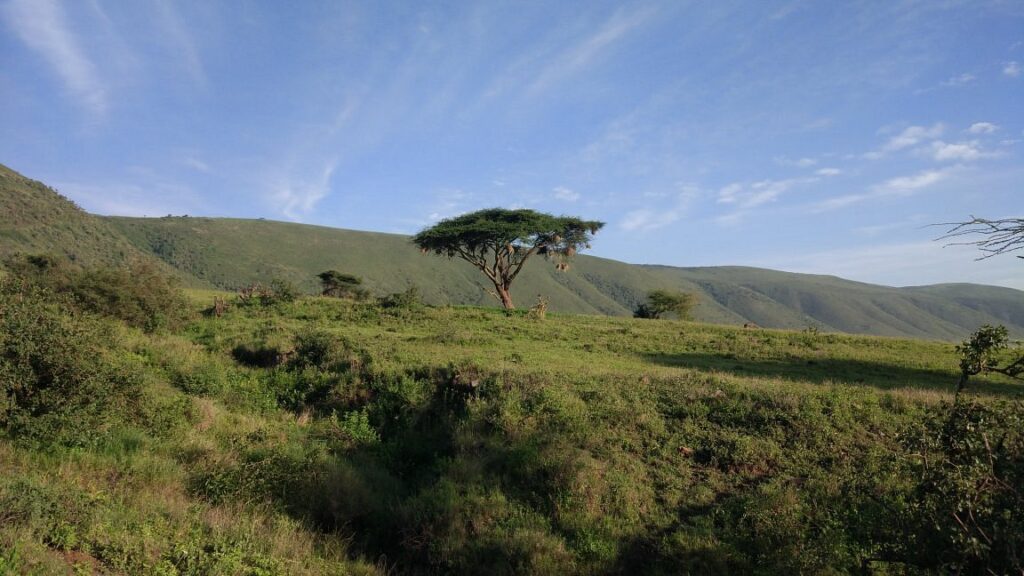
Today you will take a superb treks that will show you the Maasai land scenery and also traditional Maasai boma (village). This morning you will trek to one of the Maasai boma and you will have the unique opportunity to see how they run their life, where they leave and get an explanation from the Maasai elders on various issues on their daily life. You will be meeting the local people. The trail is dusty and rocky to start and then mainly rocky underfoot. You will pass through lands very rarely visited by tourists and you will have, wonderful views across the plains which make up the floor of the Rift Valley. Temperatures should reduce as you pass midday and gain altitude. Picnic bush lunch. After lunch you will be very close to your camp. Arrive at your camp located at the Nagarirat Hill for a relaxation afternoon with sundowner. A special barbeque dinner will be saved for you today.
Overnight at Nagarirat camp.
Day 5: Across Dustpans of Nagarirat to Gelai – approx 18kms
Early breakfast at the camp. Today you will have to leave the camp early before the sun rise trekking to north-east of Kitumbeine mountain on mixed of rocky and dust terrain. Crossing a low saddle between mounts Kitumbeine and Gelai you will then climb into the foothills of Gelai.
This section is very challenging with a lot of up hills and very hot weather. On this day and the following days you will start to see more of the wild game that populates the region. In particular look out for zebra, gerenuk, and giraffe. The birdlife is rich along the entire route and you will be fascinated by the nests of the weaver birds. The superb starlings, the “Go Away” bird, hoopoes and numerous raptors are seen in the area. Tonight you will camp at Gelai Village Camp site.
Day 6: Sunken Crater and the Lava Plains approx 22kms
Today you will begin very early and trek west across untamed bush towards Sunken Crater (22kms). You will cross a beautiful plain marked by dead volcanic vents – your journey bringing you ever closer to the escarpment of the Rift Valley, which rises from the bush up to the Ngorongoro Crater Highlands. Today’s trek is likely to be hotter than ever, so wear lots of sun block, reflective clothing and wide-brimmed hats.
After lunch you will trek to the impressive Sunken Crater and will be camping overnight at the rim of the crater .Evening temperatures drop and it has been known to be rather windy.
Day 7: To Engaruka – approx 15-30kms
(Dependent on group strength)
This morning you will have an early breakfast, start your final trekking from your camp towards the last Oldoinyo Lengai, Tributary south of Big Sunken Crater. You will cross the OlKerii Plain passing by small settlements, until you finally reach Engaruka Stream campsite situated quite near to the ruins of the ancient Engaruka settlement. You will be camping near the river bank so there will be plenty of water for showers after a very hot and dusty day.Picnic bush Lunch en route.Celebration dinner and Overnight at the Engaruka Ruins camp
Day 8:Engaruka to Arusha
After breakfast you will say goodbye to your support team & head towards the bustling town of Mto Wa Mbu to Arusha town Or Ngorongoro Crater. Lunch at Hotel/ Lodge Or Lunch Boxes. Rest of the day relaxing by the pool Or Crater tour. Dinner and Overnight at Kibo Palace Hotel.
Day 9: From Arusha or Ngorongoro – Kilimanjaro Airport /Nairobi Transfer
After a leisurely breakfast, you will opportunity for last minute gift shopping with your guide and an early lunch. Then continue to Kilimanjaro Airport for the night flight to home. OR afternoon shuttle bus for the journey to Nairobi for your night flight back home,
N.B: The itinerary is there as a guide and may change due to unusual weather patterns, wildlife movements, the strength of the group and so on. We will do our very best to keep to the set itinerary however we cannot be held responsible for any last minute changes that might occur. In all such circumstances, your expedition leader will have the final say.
Frequently Asked Questions
What is a Maasai Footsteps Trekking Adventure?
A Maasai Footsteps Trekking Adventure is a unique walking safari where you explore the land alongside local Maasai guides. Instead of sitting in a vehicle, you experience the landscape step by step, just as the Maasai have done for generations. These treks often take place in areas like the Ngorongoro Conservation Area and nearby highlands. Along the way, guides share stories about their culture, traditions, and deep connection to nature. It’s a more personal and immersive way to experience Tanzania.
What makes trekking with the Maasai special?
Trekking with the Maasai is special because it goes beyond just hiking, it’s about cultural exchange. The Maasai have an incredible understanding of the land, from tracking animals to identifying plants used for medicine. As you walk together, you learn directly from them in a natural and relaxed setting. Their stories, traditions, and way of life bring a deeper meaning to the journey. It turns a simple trek into a rich and memorable human experience.
Is a Maasai Footsteps Trek suitable for beginners?
Yes, most Maasai Footsteps treks are designed to be flexible and suitable for different fitness levels. Many routes are gentle walks across open plains or rolling hills, making them accessible for beginners. You can usually choose between shorter day walks or longer multi, day treks depending on your comfort. The pace is often relaxed, with plenty of time to rest and enjoy the surroundings. As long as you have basic fitness and a sense of curiosity, you’ll do just fine.
What kind of wildlife can you see during the trek?
During a Maasai Footsteps trek, you may encounter a variety of wildlife, especially in open savannah areas. Common sightings include zebras, giraffes, antelope, and sometimes even wildebeest. Your guides will help you track animals and understand their behavior while keeping a safe distance. The experience of seeing wildlife on foot feels very different from a vehicle safari, it’s more intimate and exciting. Every walk brings new surprises and close, to, nature moments.
What should you expect and pack for the experience?
You should expect a simple, authentic adventure that focuses on nature and culture rather than luxury. Pack lightweight clothing, comfortable walking shoes, and protection from the sun like a hat and sunscreen. A small backpack with water, snacks, and a camera is very useful. Depending on the trek, you might stay in basic camps or lodges along the way. Being prepared helps you fully enjoy the experience and connect with the journey.
Still have questions?
Our local safari experts are happy to help you plan the perfect African safari.