Sometimes referred to as the Pass Route, the Naro Moru or Rongai Route to the summit of Kilimanjaro is one of the few routes in which climbers have the option of beginning their journey from the Kenyan side of the border. Winding up the eastern side of the mountain, this route entails an easy paced ascend which allows for time to appreciate the incredible views of the Northern face of Kilimanjaro.
Along the route, climbers will come across a number of the Shining Mountain’s many giant caves and caverns. The commencement of the Rongai Route will see climbers heading off from the Rongai Trail head en route to the first of these extraordinary caves. The first camp is situated very near to this First Cave at an altitude of 9449 feet. Overlooking the rolling plains below, climbers will be able to enjoy their first glimpse of the enchanting portrait of Africa as their guides relate the legends of the mysterious spirits inhabiting the caves before them.
On the second day of the journey, climbers will pass the Second Cave and ascend across the extraordinary Moorlands with their giant lobelias and striking flowers. This section of the trail provides breathtaking views that are seldom if ever observed from other routes along the mountain. After approximately 6 hours hikers will reach their next overnight stop, directly in front of the Third Cave.

Day three sees the journey becoming slightly tougher as the trail to the summit becomes steadily more vertical. Heading in an easterly direction towards Mawenzi, hikers will press on for approximately 7 miles before reaching the third camp, Mawezi Tarn. From here they will have a clear view of the jagged face of Mawenzi, Kilimanjaro’s second highest cone.
The second leg of Rongai encompasses The Great Circle Route. This involves crossing between the peaks of Mawenzi and Kibo through an area known as ‘The Saddle’. The landscape along this section of the route is, both barren and rocky. From this vantage point, climbers will be able to clearly observe the daunting peaks of Kibo and Mawenzi, as well as the West and East Lava Hills. The final campsite, School Camp, lies at an impressive altitude of 15,584 feet. Climbers will take a well deserved rest here before beginning their summit attempt early the following morning.
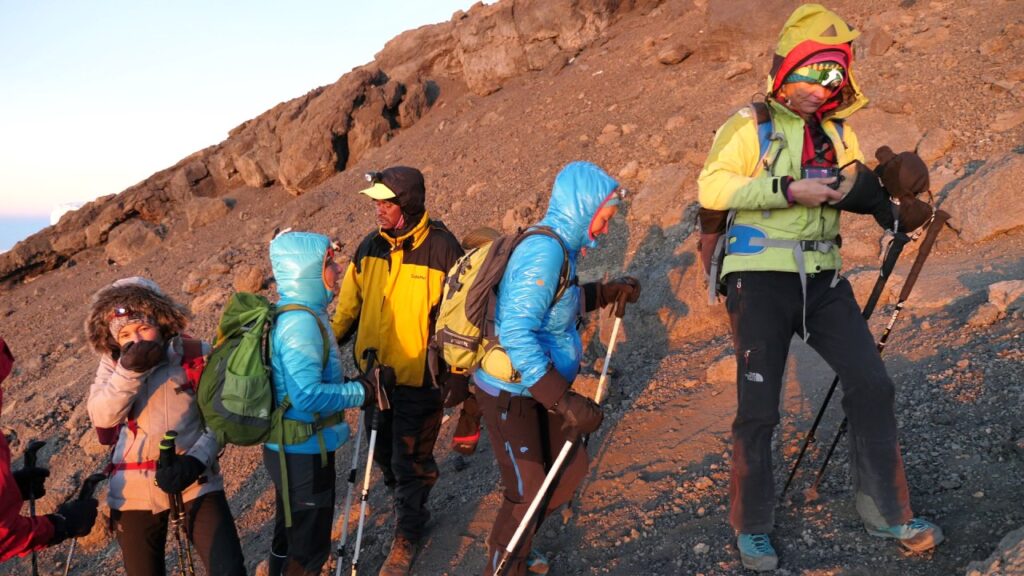
At around 12:30am the final part of the ascent, and indeed the ultimate challenge of the journey will begin. The trail to Gillman’s Point is incredibly rocky and zig-zags steeply across the mountain. By this stage, climbers will undoubtedly be suffering from the effects of Altitude and will need to concentrate and persevere if they hope to succeed in their summit attempt. From Gillman’s Point, a final gruelling scramble of about an hour and a half concludes at Uhuru Peak.
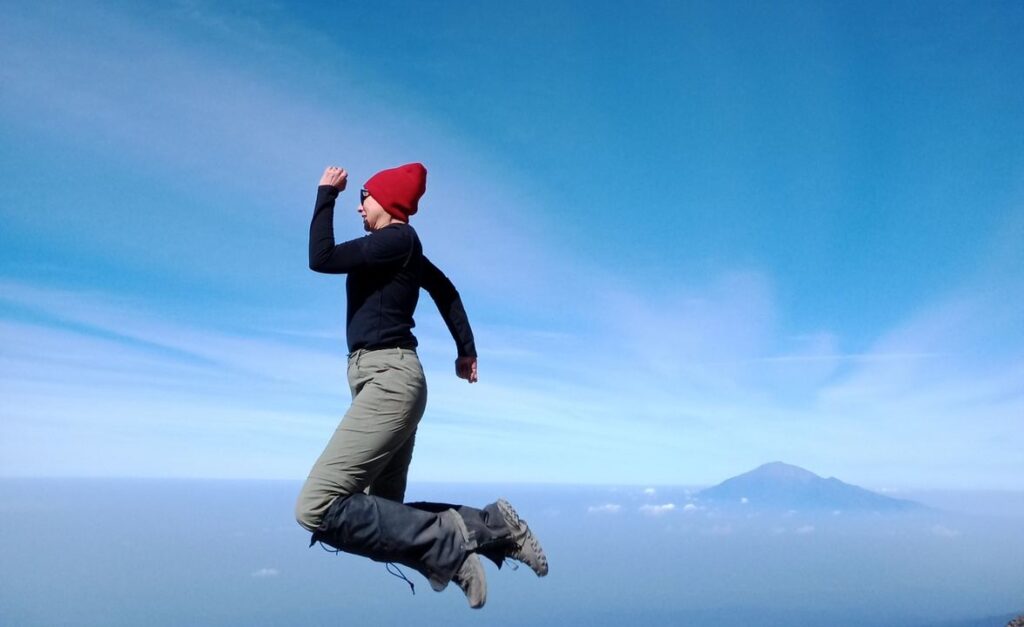
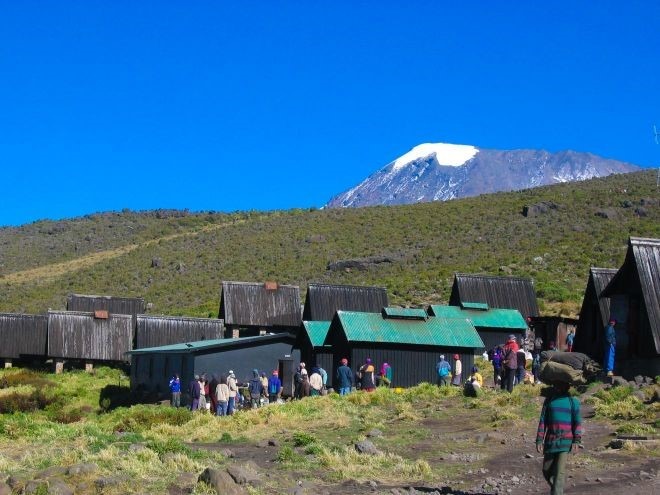
Successful summiteers claim that the moment they took the final step aboard Uhuru, they immediately felt as though their exhausted bodies had been given wings. Perched quite literally above the clouds, climbers will be given a moment to celebrate their achievement, whilst taking in the sight of the whole of Africa being spread like a blanket at their feet. They will then begin their two day descent using the Marangu Route, which will take them via Kibo Hut and Horombo Hut to their exit point at Marangu Gate.
Frequently Asked Questions
Why is the Rongai Route considered a less crowded option on Mount Kilimanjaro?
The Rongai Route approaches Mount Kilimanjaro from the northern side near the Kenyan border, which naturally receives fewer climbers compared to the southern routes. Many trekkers choose more popular paths like Machame or Marangu, so Rongai remains quieter and more peaceful. This makes it ideal for those looking for solitude and a more intimate connection with nature. The trail feels remote and untouched, offering a unique wilderness experience. Because of this, you are more likely to enjoy uninterrupted views and a calm trekking atmosphere.
Is the Rongai Route easier compared to other Kilimanjaro routes?
The Rongai Route is often considered one of the easier routes because it has a more gradual ascent profile. This steady climb allows your body to adjust better to the altitude, which can improve your chances of reaching the summit. However, it is still a challenging trek that requires preparation and determination. The route is less steep than Machame, but altitude sickness can still affect anyone. Overall, it is a good choice for beginners who want a slightly less demanding climb.
What kind of scenery can you expect on the Rongai Route?
The scenery on the Rongai Route is different from the lush southern slopes, as it starts in a drier, more open landscape. As you climb higher, you pass through forests, moorlands, and alpine desert zones. The views of the Kenyan plains are especially beautiful and unique to this route. Wildlife sightings, such as antelope and monkeys, are also more common in the lower sections. Although it may not be as lush as other routes, it offers a quiet and scenic journey.
How many days does it take to complete the Rongai Route?
Most Rongai Route climbs take between five to seven days, depending on the itinerary you choose. A longer trek is usually recommended to allow proper acclimatization and increase your chances of success. The six or seven, day options are especially popular because they include extra time to adjust to altitude. Shorter itineraries are possible but can be more physically demanding. Choosing the right number of days depends on your fitness level and experience.
Where does the Rongai Route descend after the summit?
After reaching the summit of Mount Kilimanjaro, climbers usually descend via the Marangu Route on the southern side. This allows trekkers to experience two different sides of the mountain in one journey. The descent is quicker but still requires careful pacing to avoid strain on your knees. You will pass through different scenery compared to your ascent, including greener landscapes. This combination of ascent and descent routes adds variety to the overall experience.
Still have questions?
Our local safari experts are happy to help you plan the perfect African safari.