Table of Contents
- Mount Kilimanjaro Preparation and Pacing
- Physical Training before Climb Mount Kilimanjaro
- How to Overcome High Altitude (Mountain) Sickness on Kilimanjaro
- Medication on Mount Kilimanjaro
- When to Climb Mount Kilimanjaro?
- What to Pack for Kilimanjaro Mountain?
- Climb Mount Kilimanjaro with Kilimanjaro ASAP
- Frequently Asked Questions
The immense volcanic bulk of Mount Kilimanjaro, which is about 6000 meters high and is Africa’s tallest peak, rules much of the area that bears its name, both physically and economically as well as spiritually. Even though the difficulty of climbing Mount Kilimanjaro preparation draws over 40,000 people there each year, only a small percentage of them really make it to Uhuru Peak.
The major peaks of Kilimanjaro, Kibo, and Mawenzi, according to the Chagga, were created by two sisters. The older and wiser of the two, Kibo took care to prepare food for difficult times. Mawenzi, however, had no such concerns about the future and developed the habit of turning to Kibo for assistance whenever things became tough. Mawenzi’s ragged and shattered appearance is the result of Kibo hitting her sister on the head with a spoon after she grew frustrated with her sister’s pleading.
Extreme cold, weariness, and altitude sickness are the very real modern manifestations of Mount Kilimanjaro spirits. According to another Chagga mythology, the mountain contains a huge treasure that is guarded by strong spirits that punish anybody who has a dark mind enough to attempt to climb it.
Mount Kilimanjaro Preparation and Pacing
At Kilimanjaro ASAP we can’t emphasize that the longer time you spend on the mountain, the better your chances of success will be and more days to watch the view. We encourage trekkers to be in smaller groups so that our mountain guide can pay closer attention to your needs. The secret to success is having a positive outlook. Climbing Kilimanjaro is challenging and often unpleasant, so prepare yourself for a significant effort. Also, avoid being overconfident since the bigger they come, the harder they fall.
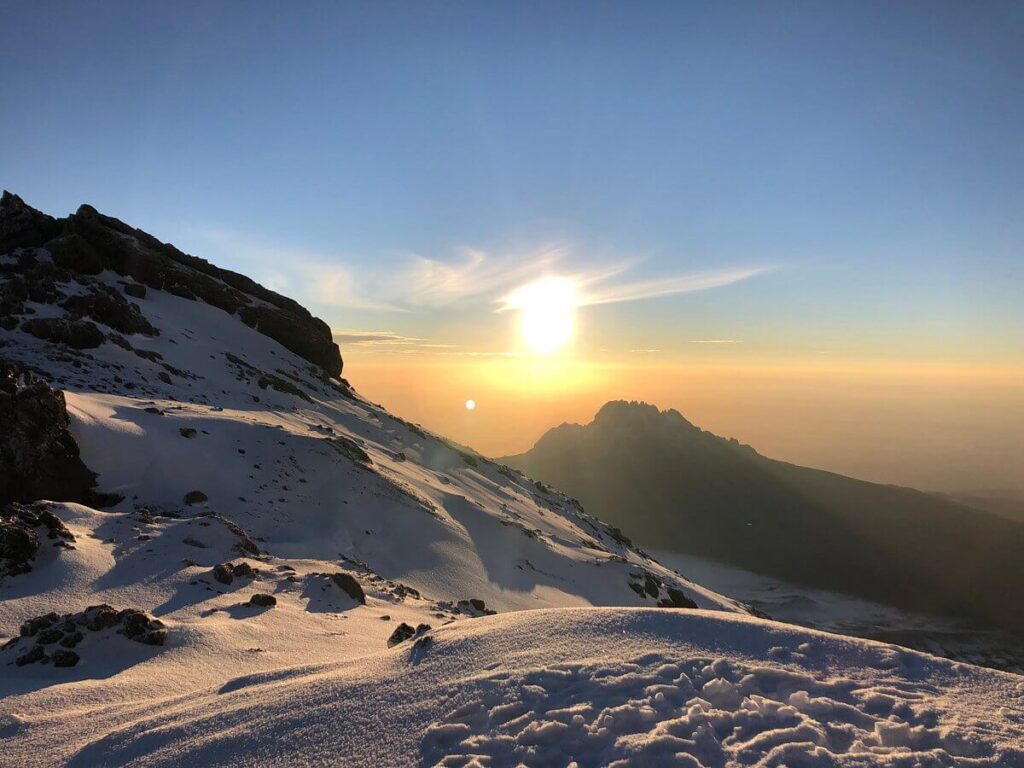
Physical Training before Climb Mount Kilimanjaro
It also helps to have the right tools and to be in good physical shape. You don’t need to be an athlete to prepare for the climb; nevertheless, you should cut back on drinking a few weeks beforehand, go cycling, and walk or jog to strengthen your legs and breathe easier. If you have the time and resources, it is advised that you climb Mount Meru or Ol Doinyo Lengai to assist your body in acclimatizing. You can also choose to take a day excursion to Materuni Waterfall is another option. On the mountain, tend to your body’s requirements. At a high altitude, your hunger could disappear, so make an effort to eat sensibly.
Additionally, you should hydrate throughout the trek by sipping on water in little amounts to maintain clean urine (usually 3 to 4 liters per day). Attempt to get enough sleep as well, but that may be challenging at high altitudes. Bring enough energy meals and water with you for the night before the summit attempt.
Make Sure You Take Your Time while Trekking Mount Kilimanjaro
You’ll find the ascent more pleasant if you don’t power up, if you start early, move slowly, and take regular breaks. This is the second secret to success. On the day of the summit, move extremely slowly (you won’t feel like sprinting), take five-minute breaks every 30 minutes, and drink a lot of water. When you’re struggling to breathe, take four or five quick, deep breaths. Stay concentrated as you approach the summit; don’t get distracted by complaining climbers making their way down after failed efforts. Also, keep in mind that the enjoyment is in the trip, not necessarily the final objective.
Additionally, be conscious of your limitations and pay attention to your guide; if he advises you not to continue, do not, since he is an expert. Last but not least, when descending, go gently. The danger of injury is greater when going down, so use a walking stick or ski pole and avoid the urge to slide down the scree.
How to Overcome High Altitude (Mountain) Sickness on Kilimanjaro
On top of Kilimanjaro, a breath of air contains barely half the oxygen you would breathe in at sea level since the air grows drier as you ascend. The body will eventually begin to produce more red blood cells in an effort to adjust to an oxygen-deficient environment. But without time to acclimate, practically everyone who climbs Mount Kilimanjaro will feel the side effects of being at a high altitude, often known as altitude sickness or mountain sickness, which include fatigue, headaches, nausea, lightheadedness, and sleeplessness. The beginning of the second or third day is when the symptoms start to show.
At high altitudes, staying hydrated is crucial, and while typical altitude sickness is not dangerous, vomiting has to be taken seriously. Acute Mountain Sickness (AMS), a persistent type of altitude sickness, is far more severe. The majority of the aforementioned symptoms, together with one or more of the following, are indicative of AMS. These include chest congestion, a strong headache, shortness of breath while resting, flu-like symptoms, a persistent dry cough, and blood-tinged saliva or urine. In such circumstances, quickly drop to a lower height.
Be careful that mental confusion may lead the victim to believe they are fit to proceed when in fact they are not. The sufferer will often be accompanied by a porter/assistant guide, saving the entire group from having to go back. A dozen climbers every year do not complete their trek as a result of AMS complications such as brain and pulmonary oedema, which can be lethal if ignored. Who will become unwell is hard to predict: Young and elderly, fit and not so fit, are all affected by AMS, so if you start to experience any symptoms, don’t ignore them and pay attention to your guide’s instructions.
Medication on Mount Kilimanjaro
Some medications are said to solve these issues. Although opinions on the merits and downsides of acetazolamide, also known by the brand name Diamox, are severely split, speaking with a doctor before taking any medication is advised. The medication has two well-known short-term adverse effects: your fingers may tingle, and because it is a highly effective diuretic, you will need to urinate often throughout the day and night. To counteract these symptoms, drink plenty of water.
However, most climbers do experience a generally easier time of things when using Diamox. Ginkgo Biloba is an option that some hikers swear by (120mg taken twice a day, starting a few days before the climb). If you bleed easily, stay away from it. Given the uncertainty surrounding medication, prevention is preferable: allow your body to quickly adapt naturally by taking an extra day or two to climb the mountain (at least six days, whichever route you’re taking, ideally seven or eight — or else climb Mount Meru or Ol Doinyo Lengai the week before to help you acclimatize), stay hydrated, climb slowly, and if you ascend significantly in one day, camp at a lower altitude, if possible.
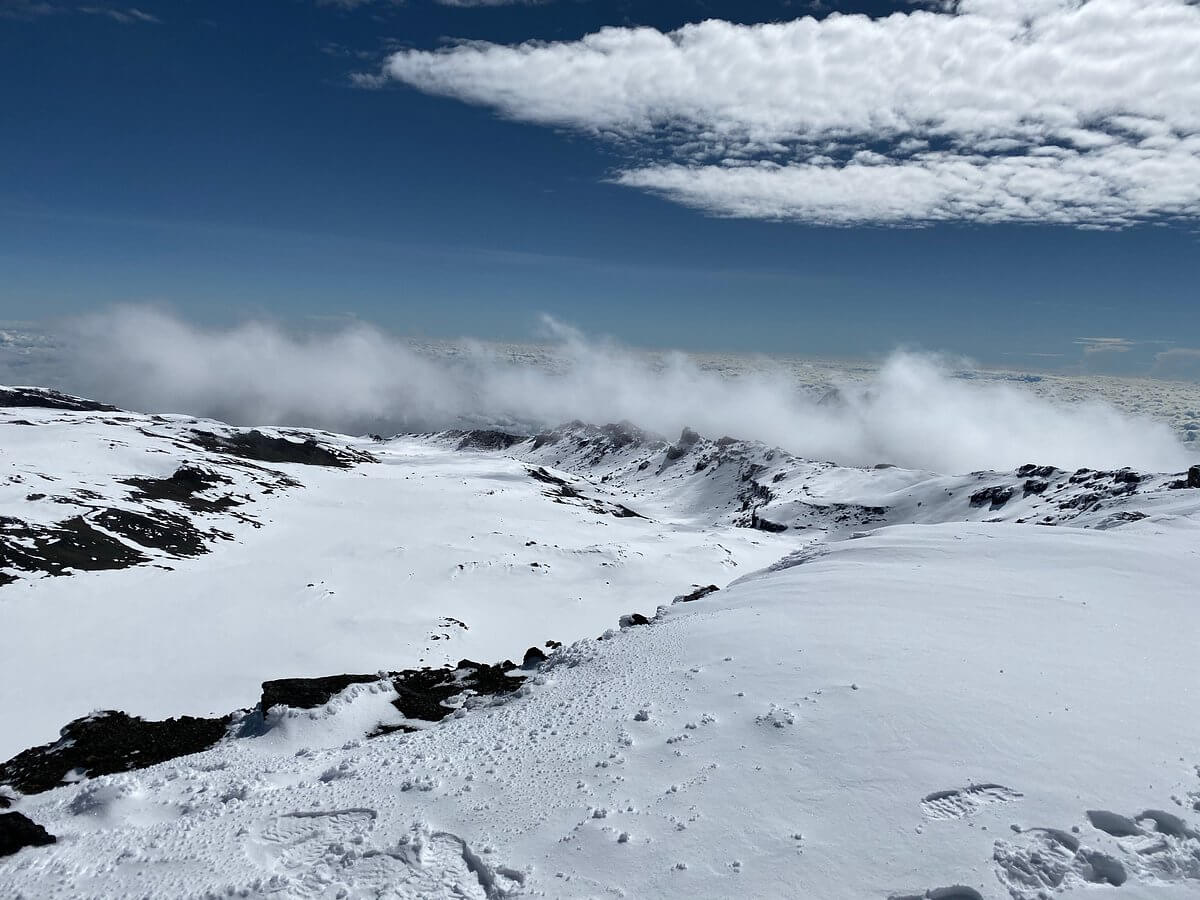
When to Climb Mount Kilimanjaro?
From December through February, when the weather is often clear, is the peak climbing season. Although there is a probability of rain in June and September can be quite chilly, the months of June through September are still favorable. While it is possible to climb Kilimanjaro during the interim wet seasons, the lower slopes will be quite muddy, and the higher elevations may not have a clear sky. The Machame, Lemosho, and Shira routes are often drier than the Marangu and Rongai Route since the southeasterly slopes receive the most precipitation. All year round, snow is possible on or near the top, but the likelihood is greatest during and immediately after the wet seasons. On summit day, try to time your trip to coincide with a full moon; this will prevent the need for illumination and add to the scene’s spooky beauty. Contact our mountain expert for detailed information.
Which is the hardest route up Kilimanjaro?
A difficult alternate to the ascent from Barafu Camp for experienced climbers via the Machame, Umbwe, or Shira/Lemosho routes is the approach through the Western Breach, a steep slope that was produced when the western rim of Kibo burst. The ascent of the Western Breach is extremely challenging and potentially hazardous; slides and stones falls are sometimes common. We advise clients to sign a disclaimer form before agreeing to take you up, and those who do it typically require that their climbers use the proper equipment. The last section is usually the most dangerous to turn around on without the correct climbing gear, so if you experience anything more severe than a headache, we advise turning around well before.
At Lava Tower (4660 meters), four hours from Shira Camp, or further up the Kibo sides at the similarly stunning Arrow Glacier Camp (4871 meters), near to a region of rocks and snow meadows, the path diverges off the main track. From Arrow Glacier, it takes at least six hours to reach the crater rim; from the Lava Tower, it takes around 9 hours. Contact Kilimanjaro ASAP to arrange a trek via Western Breach routes with professional mountain guides.
What to Pack for Kilimanjaro Mountain?
The two most important items for a Kilimanjaro climb are a decent pair of boots and loads of warm clothing. You will need to carry a warm (rated down to -100 C) sleeping bag, but Kilimanjaro ASAP will provide the tents and other necessities. You don’t need to carry any cooking supplies; the porters will deliver them. You may hire a variety of decent equipment from balaclavas to sleeping bags at many kiosks throughout Moshi town; to get a sense of prices, see our list of clothes and equipment.
The key to attire is to layer your clothes. In comparison to fewer, heavier articles of clothing, many layers placed on top of one another offer superior insulation. Due to the little opportunity to dry things out, waterproof clothing is needed, as well as thermal underwear and fleeces.
In addition to a wool hat and gloves (ideally one with a thinner inner layer and one with a thicker, waterproof outer layer), don’t forget to bring sunglasses and a sunhat for the warmer weather. Nearly all of the items on this list are necessities: a headlamp, toilet paper, walking sticks, and water bottles with a three-liter capacity. Towels, snacks, money (for tips), and plastic bags for keeping things dry are all helpful.
You’ll need to bring a small daypack to carry everything you’ll need during the day, such as water bottles, food, cameras, waterproofs, suncream, and sunglasses.
Your usual medical pack should now include high-altitude medicinal plasters, bandages and gauze, lip salve, suncream (minimum factor 25), and rehydration powders/solutions.The porters will take your main bag but often rush ahead. Don’t overpack, and make sure your bag is comfy.
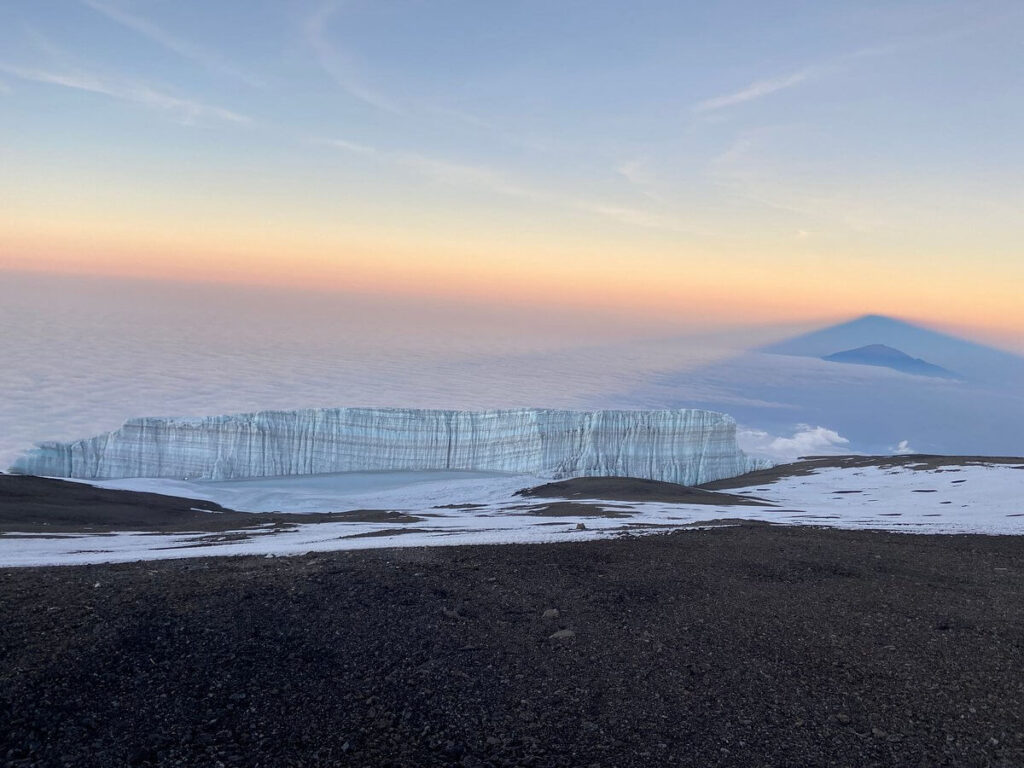
Climb Mount Kilimanjaro with Kilimanjaro ASAP
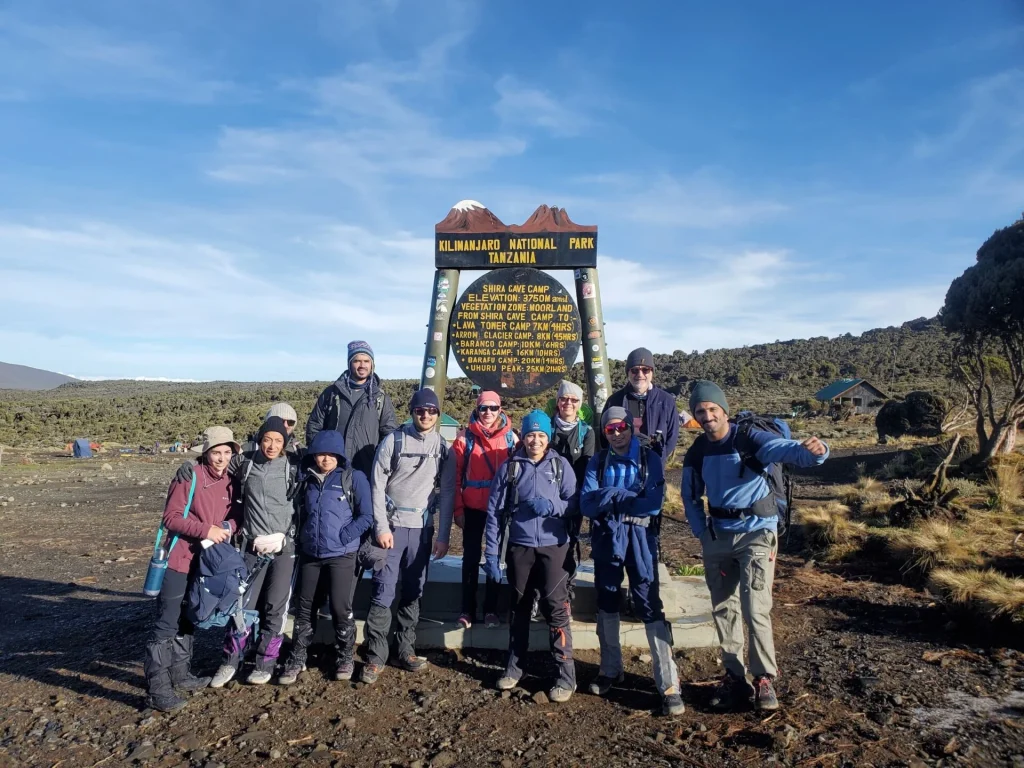
The whole mountain above the tree line (about 2750m), as well as six forest corridors that descend to around 2000m, are all included in Kilimanjaro National Park. The communities of Marangu, Machame, and Lemosho, respectively, serve as the starting points for the most well-traveled paths up the mountain. The sole path that begins on the mountain’s northern side, the Rongai route, is also becoming more and more well-liked. Anyone who wants to climb Mount Kilimanjaro must be accompanied by a licensed trekking company and an officially authorized guide. Contact us today and arrange your trek to Mount Kilimanjaro with us.
Africa’s tallest peak, Mount Kilimanjaro, stands at approximately 6000 meters. It dominates most of the region bearing its name, both physically and economically as well as spiritually. Although the difficulty of climbing to the top draws about 40,000 people to “Kili” each year, few stay more than a few days at the town at its base, the busiest and friendliest of which being Moshi.
However, recent initiatives to expand the tourism revenue have led to the establishment of community-based cultural tourism programs in the villages of Marangu and Machame, which are close to the band of tropical rainforest that skirts much of Kilimanjaro’s base and is at the beginning of the mountain’s most well-known hiking routes. Various half-and full-day walks into the forests to visit waterfalls, hot springs, and locations of spiritual or historical importance are included in the programs. When planning your hike to Mount Kilimanjaro, get in touch with Kilimanjaro ASAP experts to make similar treks from Moshi itself.
Frequently Asked Questions
How should I physically prepare for a Kilimanjaro trek?
Preparing for Kilimanjaro starts with building your endurance and strength. You’ll be hiking for several hours a day over multiple days, so activities like long walks, hiking, or cycling are ideal training. It’s also helpful to practice hiking with a backpack to get used to the weight. Strengthening your legs and improving your stamina will make the trek more comfortable. Start training at least 6, 8 weeks before your trip. The better your preparation, the more you’ll enjoy the experience instead of just enduring it.
What is the best time of year to climb Kilimanjaro?
The best time to climb Kilimanjaro is during the dry seasons, which run from January to March and June to October. During these months, the weather is more stable and skies are clearer, giving you better views. Trails are also less muddy and safer to walk on. While you can climb year, round, the rainy seasons (April, May and November) can make the trek more challenging. Choosing the right season can greatly improve your chances of reaching the summit. It also makes the overall journey more enjoyable and comfortable.
What gear and clothing do I need for the trek?
You’ll need a range of gear to handle Kilimanjaro’s changing climates. This includes moisture, wicking base layers, warm jackets, waterproof outerwear, and sturdy hiking boots. Temperatures can go from hot at the base to freezing at the summit. Accessories like gloves, hats, and sunglasses are also important. A good sleeping bag and trekking poles can make a big difference in comfort. Having the right gear ensures you stay safe and prepared for every stage of the climb.
How do I prepare mentally for the climb?
Mental preparation is just as important as physical fitness when climbing Kilimanjaro. The trek can be long, tiring, and sometimes uncomfortable, especially on summit night. Staying positive and taking things one step at a time helps a lot. Setting realistic expectations and understanding that challenges are part of the journey can keep you motivated. Many climbers find that determination and patience are what get them to the top. A strong mindset can carry you through even the toughest moments.
Should I book with a tour operator or go independently?
Climbing Kilimanjaro requires booking through a licensed tour operator, as independent trekking is not allowed in Tanzania. A good operator provides guides, porters, meals, and safety support throughout the trek. They also help with logistics like permits and equipment. Choosing a reputable company can make your experience safer and more enjoyable. It’s worth doing research and reading reviews before booking. Having a reliable team behind you makes a huge difference on the mountain.
Still have questions?
Our local safari experts are happy to help you plan the perfect African safari.