
Table of Contents
Most Kilimanjaro mountain guides and porters receive only minimal wages from the trekking companies and depend on tips as their major source of income. As a guideline, plan on tipping about 15% of the total amount you’ve paid for the trek, divided up among the guides and porters. For example, on the Marangu Route, tips are commonly from US$100 to US$120 for the guide, from US$70 to US$90 for Cook, and from US$60 or US$50 each for the porters. Plan on more for the longer routes, or if the guide and porters have been particularly good during your trek.
At Kilimanjaro ASAP we recommend tipping equally to all the crew members per day per group. All Team members are equal when it comes to tipping. Here is the guide US$25$ – 20$ for the guides per day per group/climbers, US$20-$15 for the Cook per day per group/climbers, and US$15-$10 for the Porters per day per group/climbers.
Kilimanjaro Mountain Guides and Porters Tips
One Guide, and at least 4 porters (for the guide), are obligatory for a 1 person’s trek and are provided by your trekking company. The Kilimanjaro National Park will not allow you to carry your own gear on both Kilimanjaro Routes, only porters are generally used and 4 to 5 porters per trekker are essential on all other routes during your Kilimanjaro Hiking.
All guides must be registered with the national park authorities. If in doubt, check that your guide’s identity card is up to date. On Kilimanjaro, the guide’s job is to show you the way and check every time if you are fit to continue. Only the best guides, working for reputable companies like ours, will be able to tell you about wildlife, flowers or other features on the mountain. Contact us for the best Kilimanjaro Mountain Guides.
Porters will carry bags weighing up to 15kg including their own food and clothing, which they strap to the outside of your bag and your bags will be weighed before you set off to avoid overloading the porters.
The guides and porters provided by some of the cheaper trekking outfits leave a lot to be desired. If you’re a hardy traveler you might not worry about basic meals and substandard tents, but you might be more concerned about incompetent guides or dishonest porters.
The best way to avoid scenarios like this is by going with a reputable company, familiarizing yourself with all aspects of the route, and should problems arise being polite but firm with your guide.
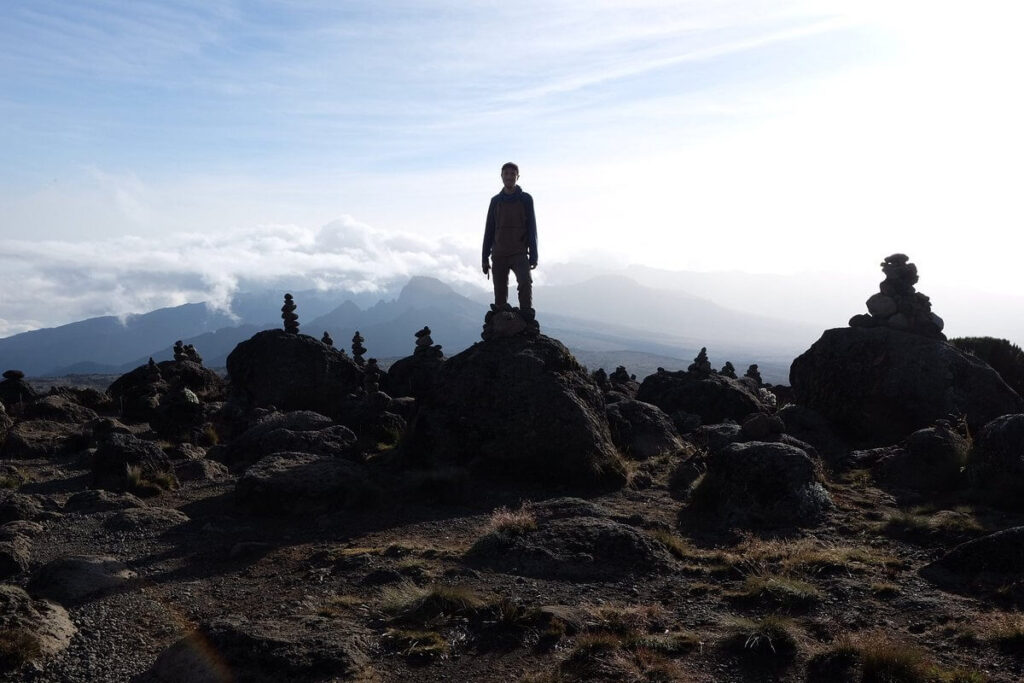
What you Should Know about Kilimanjaro Mountain Guides and Porters.
Kilimanjaro guides and porters have a reputation for being aggressive and demanding sometimes when it comes to tips. Yet, there’s another side, too, with porter abuse and exploitation becoming a serious concern. Most of the porters who work on Kilimanjaro are local residents who work freelance, usually with no guarantees of a salary beyond the present job, especially for the big agencies in Arusha and Moshi. The work is hard, rates are low, and it’s safe to say that even the best-paid porters earn low wages in comparison with the salaries of many of the trekkers whose bags they are carrying.
Due to stiff job competition, it’s common for porters to agree to back-to-back treks without sufficient rest in between. In some other big companies in Moshi it is also common for porters to work without proper shoes or equipment, and without adequate protection especially at night from the mountain’s often cold and wet conditions. Equally concerning are cases where unscrupulous guides — perhaps interested in keeping an extra porter’s salary for companies and themselves — bribe the rangers who weigh porters’ loads. This leaves the porter with the choice of carrying an overly heavy load or not getting the job at all.
Porters depend on tourism on the mountain for their livelihood, but as a trekker, you can help ensure that they aren’t exploited and that working conditions are fair (being responsible).
When selecting a trekking operator, tell them this is a concern. Be aware of what goes on around you during your trek by choosing a small Kilimanjaro tour agency for personal experience.
If you see exploitative treatment, tell the tour operator when you get back. You can also get in touch with us to improve the conditions of porters around Kilimanjaro by channeling trekking-clothing donations to porters from trekkers coming from around the world to trek Mount Kilimanjaro.
Kilimanjaro Guides and Porters at Kilimanjaro ASAP
All hikers are required to register with a licensed organization. Kilimanjaro ASAP will supply you with porters and guides to assist you in climbing the peak. All groups must have a licensed guide accompany them, one licensed guide for every two trekkers, according to KINAPA (Kilimanjaro National Park).
The majority of our guides are excellent; many have successfully scaled the mountain several times, and they frequently speak English while other foreign languages guides can be arranged if requested in advance. In spite of this, you may meet your guide ahead of time to see how you get along. After all, he will be your companion for the next week, and you are entrusting him with your life.
Additionally, At Kilimanjaro ASAP we will supply you with porters; typically, each trekker will receive three to four. Porters are only allowed to carry a total of 15 kg apiece, plus 5 kg of their own equipment and in total will be 20kg. In addition, porters do not travel to the summit; however, some will accompany you to the Crater Campground if you have reserved a night there. Instead, they stay at the last hut (Kibo Hut) or campsite (Barafu Campsite) and will re-join you on the descent. The porters still have one of the toughest tasks on the mountain, despite our efforts to control the amount they carry.
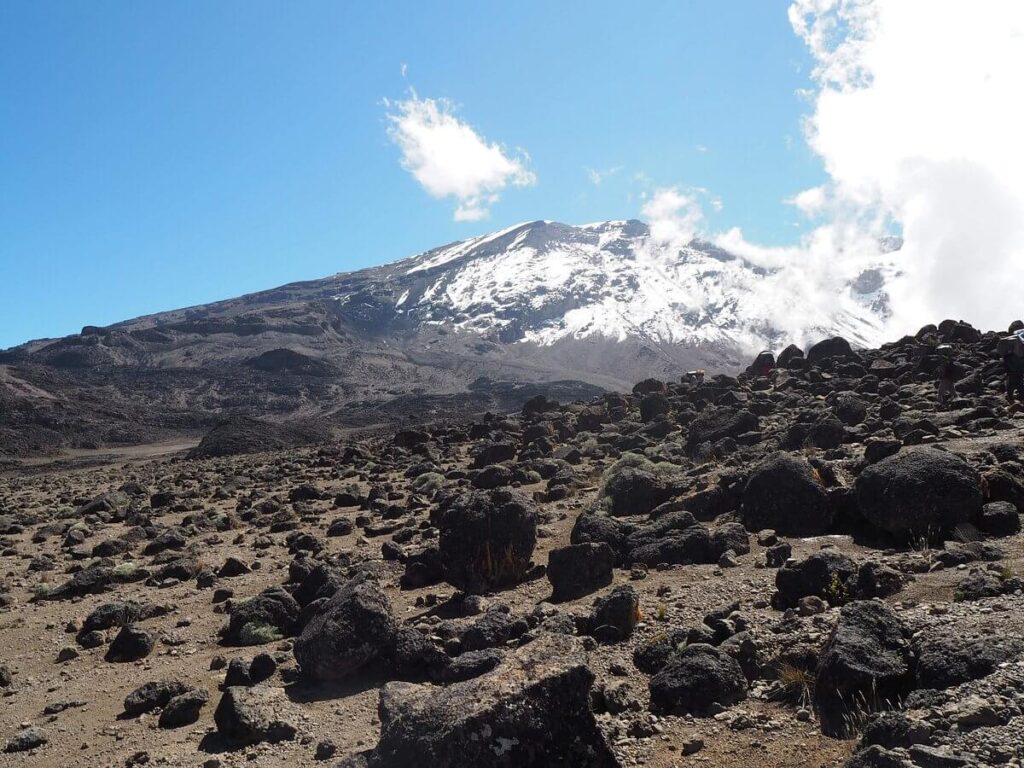
Going with small businesses allows you to have a thorough look at how they handle their workers and, if necessary, to voice any concerns to the owner of the business, which is an excellent method to locate respectable businesses. You can identify small businesses online that have a track record of treating their porters properly and giving them a fair wage. Larger firms that have been in business for a while already know how to take advantage of porters. They pay for online advertisements that seem to be ethical, but the fact is that you will never know for sure.
Last but not least, your team should include a cook. You’ll be shocked at how well they can rustle up some really delectable cuisine when on a high-altitude mountain.
Frequently Asked Questions
What roles do guides and porters play on a Kilimanjaro trek?
Guides and porters are the backbone of every Kilimanjaro climb. Guides lead the way, monitor your health, and make important decisions about pace and safety. Porters carry most of the heavy gear, including tents, food, and cooking equipment. There are also cooks who prepare your meals along the route. Together, this team creates a safe and comfortable environment so you can focus on reaching the summit.
Why are guides essential for reaching the summit?
Guides are highly trained and experienced in handling altitude and mountain conditions. They know how to pace the climb to help your body adjust and avoid altitude sickness. Many guides perform daily health checks and are prepared for emergencies. Their encouragement and motivation can make a huge difference when the trek gets tough. In many ways, they are not just leaders, but your biggest support system on the mountain.
How do porters support trekkers during the climb?
Porters carry the bulk of the load, often hiking ahead to set up camp before you arrive. This means your tent is ready, meals are prepared, and water is available when you reach camp. Without them, you would have to carry heavy packs and manage all logistics yourself. Their work allows you to conserve energy for the climb. It’s hard work, and their contribution is truly invaluable.
How many crew members are typically involved in a trek?
A Kilimanjaro trek usually involves a surprisingly large team. For one climber, there might be one guide, one assistant guide, a cook, and several porters. Group sizes increase the number of crew members even more. This ensures safety, efficiency, and proper support throughout the journey. It also shows how much teamwork goes into every successful summit attempt.
How can trekkers support and respect their crew?
Trekkers can show appreciation by choosing ethical tour operators who treat their staff fairly. Tipping is an important part of supporting guides and porters and is widely expected. Treating the crew with respect and kindness goes a long way during the trek. Taking time to learn a few local phrases can also create meaningful connections. In the end, a successful climb is a shared achievement between you and your team.
Still have questions?
Our local safari experts are happy to help you plan the perfect African safari.


