Table of Contents
The Usambara Mountains are located in the northeastern part of Tanzania between Mount Kilimanjaro and the Indian Ocean in the Tanga region. They are also called “Galapagos” because of their diverse flora and fauna. This incredibly beautiful and lush area is a welcome retreat from Tanzania’s game parks and cities. The mountains were favored by the Germans and the English during the colonial period because of their pleasant climate, as evidenced by the numerous historical buildings from the past. The mountain region is ideal for hiking and also for spectacular tours.
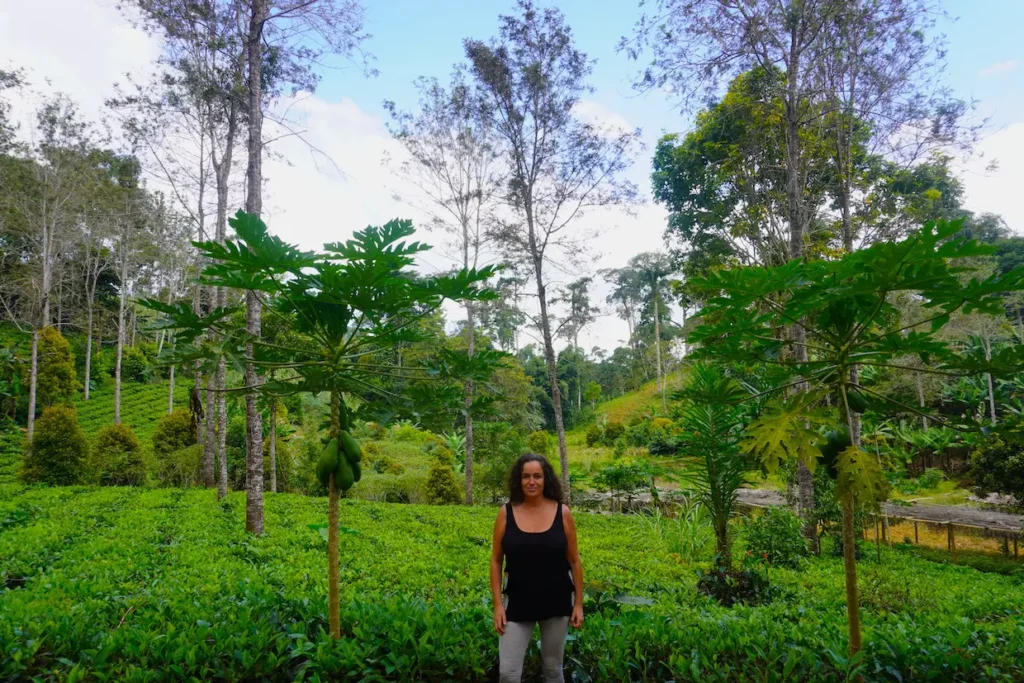
From the distance the mountains are a colorful mosaic. On the fertile slopes around Soni and Lushoto, farmers cultivate small plots of land. A little further away from the cities, there are still large areas covered by dense tropical forests. The viewpoints over the southern and western sides of the Usambara Mountains are known for their spectacular views of the Mkomazi and Handeni plains. When you see Kilimanjaro on the horizon at sunset at the end of the day, the whole area becomes a landscape of unforgettable colors.
Recommended Day Tours Hiking Routes from Lushoto
Irente View Point Tour (4-6 hours):
The most famous viewpoint in the Usambara Mountains is just an hour’s walk from Lushoto. From above you can see the village of Mazinde almost 1,000 meters below you. On the way back you pass the town of Irente Juu, where you visit Mr. Mwindadi Hamlet’s breeding and soil conservation projects. The tour can be extended with a visit to a nearby waterfall and the Kambe and Kwa Mkeke viewpoints.
Usambara Agriculture and Flora Tour (4-5 hours):
Starting from Lushoto, you hike through one of the most fertile areas of the Usambara Mountains, the village of Vuli. On your way you will visit a cheese dairy and learn about the different trees and plants in the area. In Vuli you will visit some farms where soil protection and irrigation projects have just begun. After a detailed explanation about agriculture in the Usambara Mountains, return to Lushoto via a different route.
Day tours from other locations in the Usambara Mountains
Growing Rock Tour (4-5 hours):
Starting from Soni, you hike through the villages of Shashui and Kwemula to the foot of Kwa Mongo. In half an hour you can climb this mountain, which has a colorful variety of butterflies at the summit, and look over the southern Usambara Mountains, including Soni and Lushoto, and the Handeni Plains. From here you go down to Magila, located at the foot of the growing rock, where you visit two irrigation projects and the primary school nursery. The farmers and teachers will explain to you all the pros and cons of their development projects and, before you return to Soni, why the rock grows.
Bangala River Tour (5-7 hours):
Walking along the river valleys, sometimes wading through the water, you will reach the village of Bangala. On your way you have a beautiful view over the Maasai plains. You will see a traditional irrigation system and can visit a Wasambaa farm. In Bangala you can visit the primary school tree nursery and then take a car back to Soni or walk back over the Vuga hill.
Western Usambara Mountains Tour (3-5 days)
Via the villages of Lukozi, Manolo and Sunga you reach the former German settlement of Mtae. Along the way, you’ll pass tropical forests, hike over mountains to several great viewpoints, and visit various development projects. If time permits, you can also hike across the old Mlalo mission station.
Mazumbae Forest Reserve Tour (4-5 days):
Via Kwa Mongo and Magila (irrigation and soil protection projects) you hike to Bumbuli to the old mission station (historic German settlement). From there you will take a tour through the Masumbae Forest Reserve, famous for its many birds, and back to Soni to the famous Soni Waterfalls.
Traditional Potter Adventure Tour
Via Magamba through tropical rainforests to Klaizi towards the village. Near Mloala village is the village of Kilieti, where you will find Namisfueli Nyéki, a pottery factory. Visitors can watch and also take part in the ancient tradition of pottery making.
The guides
…are all former students of Shambalai Secondary School in Lushoto. Some of them will wait a year for further school/study, others will not continue studying and will try to find suitable work here.
Everyone speaks very good English and is well acquainted with the area. Along the way, these guides can tell you many interesting stories about the history and daily life in the Usambara Mountains.
In addition to their income, their concern is to work sustainably. They attach importance to the preservation of nature, want to support the promotion of village development and improve the living conditions of the people in this beautiful region.
Frequently Asked Questions
Where are the Usambara Mountains and what makes them special for trekking?
Usambara Mountains are located in northeastern Tanzania, near the town of Lushoto. They are part of the Eastern Arc Mountains, known for their rich biodiversity and cool climate. What makes them special is the combination of green hills, forests, and charming villages scattered across the landscape. Unlike more famous destinations, the Usambaras offer a peaceful and authentic trekking experience. It’s a perfect place for travelers who want nature, culture, and quiet exploration.
What kind of trekking experiences can you expect in the Usambara Mountains?
Trekking in the Usambara Mountains is all about slow travel and connecting with the surroundings. You can enjoy village, to, village hikes, where you pass farms, forests, and local communities along the way. Popular spots include viewpoints like Irente, offering breathtaking panoramic views. Guided walks often include cultural interactions, giving insight into local life. Whether it’s a short hike or a multi, day trek, each journey feels relaxed and enriching.
Is trekking in the Usambara Mountains suitable for beginners?
Yes, the Usambara Mountains are very suitable for beginners and casual hikers. The trails are generally gentle, with gradual climbs rather than steep ascents. This makes it a great destination for families or those new to trekking. You can choose routes based on your fitness level and time available. With a local guide, the experience becomes even more enjoyable and informative.
When is the best time to visit the Usambara Mountains?
The best time to visit is during the dry seasons, from June to October and December to February. During these months, the weather is pleasant and the trails are easier to walk. The views are also clearer, making it ideal for photography and sightseeing. However, the rainy season brings lush greenery and a more vibrant landscape. It depends on whether you prefer easier trekking or dramatic, green scenery.
What should you pack for trekking in the Usambara Mountains?
Packing for the Usambara Mountains is fairly simple but important. Bring comfortable walking shoes, lightweight clothing, and a light jacket since the area can be cool, especially in the mornings and evenings. A small backpack with water, snacks, sunscreen, and a camera is essential. If you plan longer treks, consider extra layers and basic travel essentials. Being prepared helps you enjoy the peaceful and beautiful surroundings without any hassle.
Still have questions?
Our local safari experts are happy to help you plan the perfect African safari.