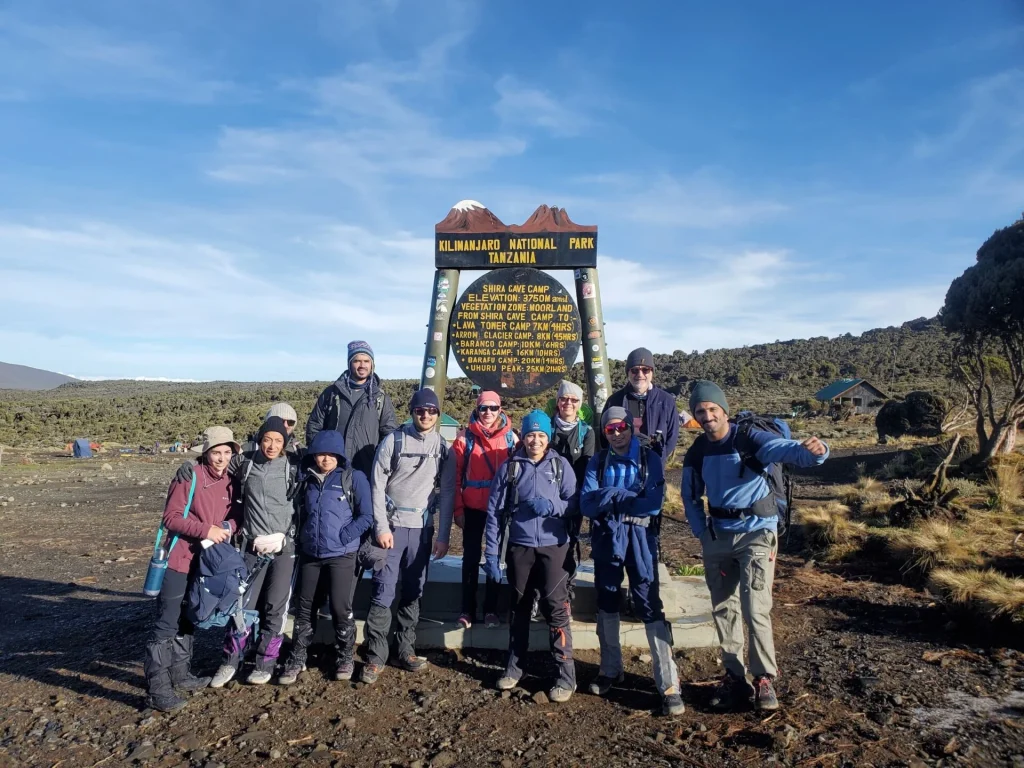
The Kilimanjaro Mountain, in Tanzania, East Africa, was the result of spilled lava from the Rift Valley which began to accumulate a million years ago. Mount Kilimanjaro is actually a dormant volcano, which is considered to be the tallest mountain in Africa – towering at approximately 20,000 feet. Aside from being the tallest mountain in Africa, it also holds the record of being the world’s highest free-standing mountain. It consists of 3 volcanic cones namely, Shira, Kibo, and Mawenzi. Kibo, which is the highest peak of Mt Kilimanjaro, is dormant. Shira and Mawenzi, on the other hand, are both extinct volcanoes.
There are numerous Mt Kilimanjaro facts that interest people around the globe. This sleeping giant has been a favorite destination for its summits and climbing adventures. It was in October 5, 1889, when Hans Meyer, Ludwig Purtscheller and Yoanas Kinyala Lauwo became the first individuals to have successfully reached the highest peak of the Kilimanjaro Mountain. Annually, an average of 25,000 people from different countries attempt to climb Mount Kilimanjaro but only an estimated two-thirds make it to the top. In 2003, Bernard Goosen succeeded in climbing the mountain using a wheelchair. It took him 9 days before he reached the mountain peak. Goosen went on a Kilimanjaro summit for the second time in 2007 but this time, he was able to reach the top in only six days. Another person able to set a record was Valtee Daniel, being the oldest to have attempted and successfully conducted a Kilimanjaro summit. He was at the age of 87 at the time. The fastest time to ascend the mountain was recorded in 2001, as Bruno Brunod, climbed the mountain in 5 hours 38 minutes and 40 seconds. The shortest time spent in a round trip to and from the peak is held by Simon Mtuy when he climbed and descended the mountain in 2004 in 8 hours and 27 minutes. Climbers who were lucky enough to have made it to the summit zone can record details of their Kilimanjaro journey in a journal which is kept safe in a wooden box at the top of the mountain.
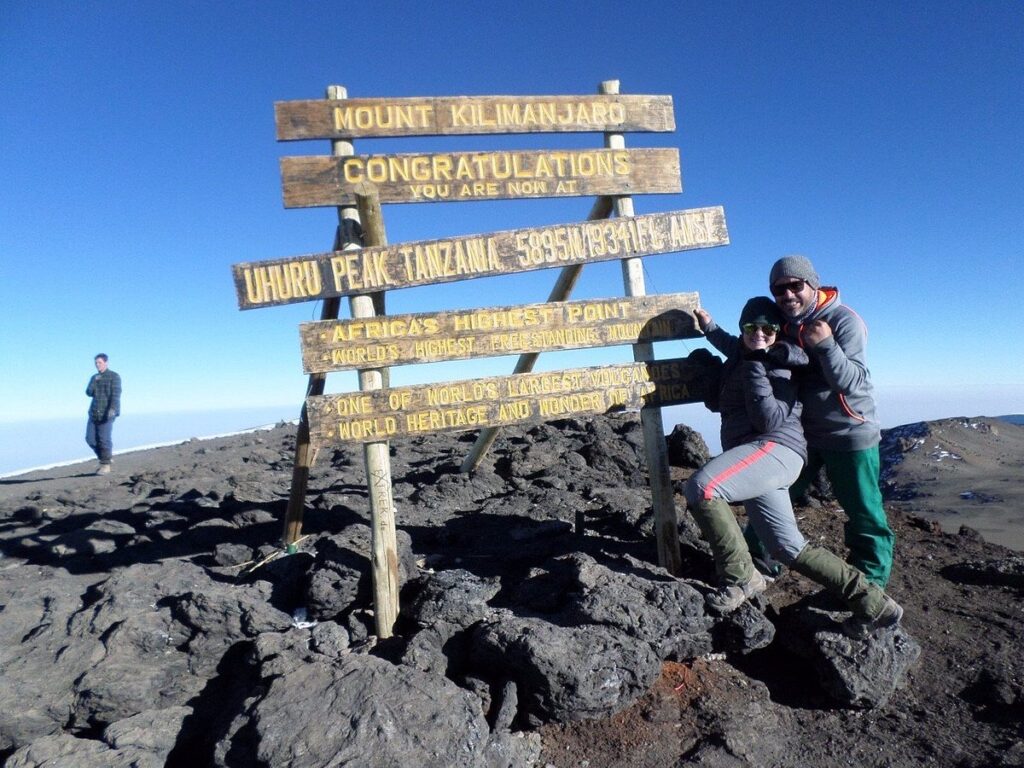
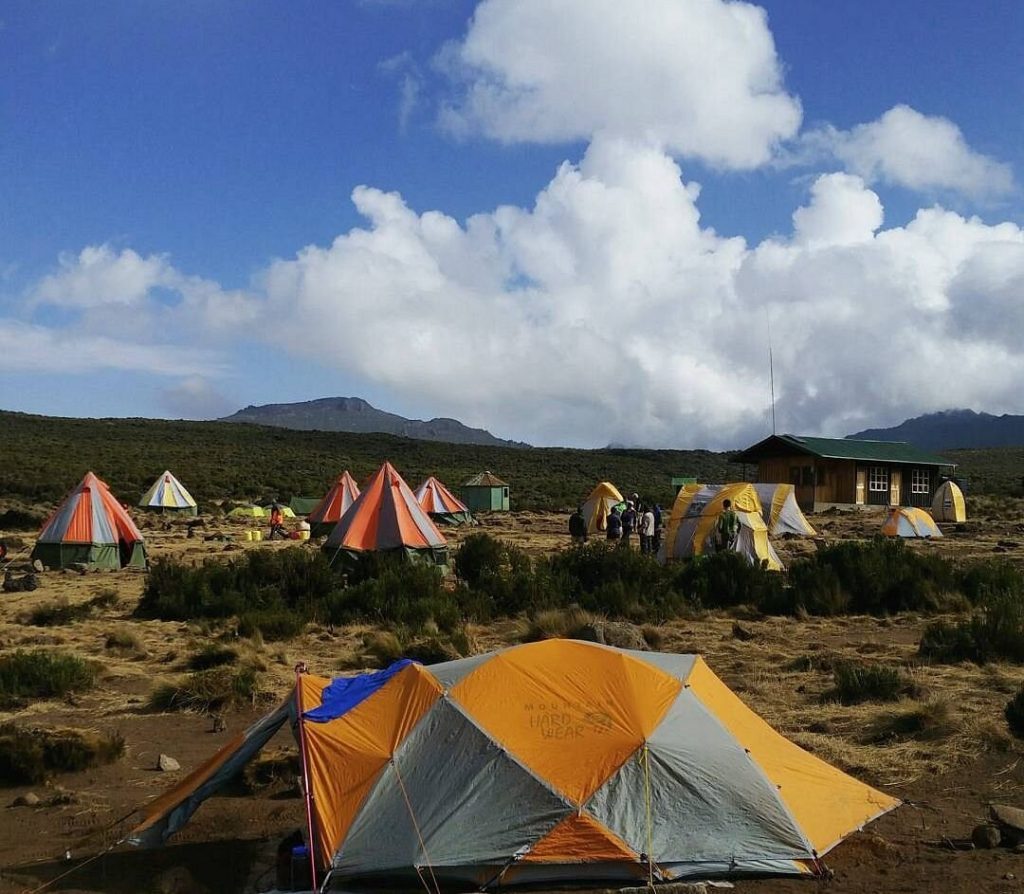
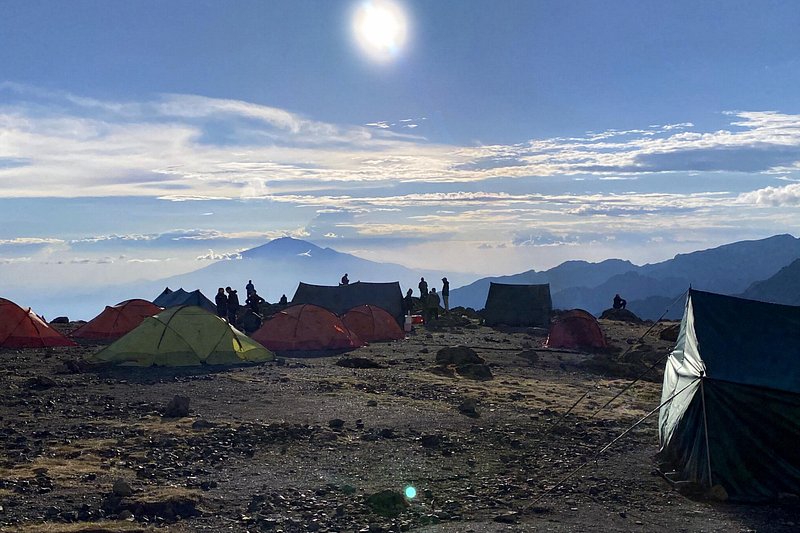
Aside from mountain climbing, Kilimanjaro is also a place for some trekking experience. However, because of the size of the mountain, trekkers need to spend 3 to 6 days walking before they can reach the highest peak. In order to address the needs of the trekkers as well as the climbers, various campsites were built on each level of the mountain to take care of their basic needs.
Aside from the impressive height of Mt. Kilimanjaro, tourists and locals are also attracted to the different kinds of ecological systems such as an arctic summit, cultivated land, moorland, heath, alpine desert, and rainforest. Wildlife like monkeys, buzzards, eagles, and ravens can be seen roaming at the lower portion of the climb. As one of the most popular tourist destinations in Africa, efforts towards preserving MT Kilimanjaro are being made. In 2019, a vast number of indigenous trees were planted so as to avoid soil erosion and preserve the water resources on the mountain.
Mount Kilimanjaro is quite a sight with a rich history. It may have a magnetic like charm that pulls people to experience its beauty, but this seemingly serene attraction is not an easy mountain to conquer. Thus, it is important for anyone who is planning for a climb or trek to be equipped of the necessary knowledge and understanding of the facts about MT Kilimanjaro so as to fully enjoy the experience.
Frequently Asked Questions
Where is Mount Kilimanjaro and why is it famous?
Mount Kilimanjaro is located in northeastern Tanzania and is the tallest mountain in Africa, standing at 5,895 meters above sea level. It’s famous because it is the highest free, standing mountain in the world, meaning it rises alone rather than being part of a mountain range. The mountain attracts thousands of trekkers every year who dream of reaching Uhuru Peak. Its snow, capped summit near the equator makes it even more unique and iconic. Kilimanjaro is also one of the Seven Summits, which adds to its global appeal.
What is the history behind Mount Kilimanjaro?
The first recorded successful ascent of Kilimanjaro was in 1889 by Hans Meyer and Ludwig Purtscheller. Before that, local Chagga people who lived on the slopes had deep cultural connections with the mountain, though they didn’t climb to the summit. Early European explorers doubted that snow could exist so close to the equator. Over time, Kilimanjaro became a symbol of exploration and adventure. Today, it is a major destination for trekkers from around the world.
How was Mount Kilimanjaro formed?
Mount Kilimanjaro is actually a dormant volcanic mountain made up of three cones: Kibo, Mawenzi, and Shira. These were formed through volcanic activity over millions of years. Kibo is the highest and central cone, and it is where Uhuru Peak is located. Mawenzi is rugged and jagged, while Shira has mostly eroded into a plateau. Although Kilimanjaro is currently inactive, it is technically considered a dormant volcano.
Are there any interesting facts about Mount Kilimanjaro?
Kilimanjaro has five different climate zones, ranging from tropical rainforest at the base to arctic conditions at the summit. It is one of the few places where you can experience such dramatic ecological changes in a single trek. The glaciers at the top are rapidly shrinking due to climate change, which has raised global concern. Despite its height, Kilimanjaro is considered one of the most accessible high peaks for climbers without technical mountaineering skills. It is also home to diverse wildlife, especially in the lower forest zones.
Why is Mount Kilimanjaro important today?
Mount Kilimanjaro plays a huge role in Tanzania’s tourism industry and economy. It provides jobs for guides, porters, and local communities who depend on trekking activities. The mountain is also an important symbol of national pride and natural heritage. Conservation efforts are ongoing to protect its ecosystems and water sources. For many climbers, reaching the summit is a life, changing personal achievement and a dream come true.
Still have questions?
Our local safari experts are happy to help you plan the perfect African safari.