Climbing mount Kilimanjaro is no small undertaking, so it is essential that you give yourself plenty of time to prepare before you embark on your international mountain trekking expedition.
If you’re an experienced mountaineer then you will understand what is required in order to get to the summit. But if you are taking your climbing to a new height or taking your first steps above the clouds, this is a serious challenge that requires a lot of physical training in order to ready your body for what lays ahead.
At the very least we suggest that you train for 2 months but in an ideal world 3 to 4 would be good if you’ve never submitted before or for quite some time.
Because of the varying altitude, climates and terrains you’ll be facing, you need to prepare your body so it is able to handle all of this without too much trouble.
The porters and mountain guides will keep you trekking at the right pace and monitor you every day to ensure you adjust well to the altitude changes, and so you’re prepared at each stage for the change in climate.
How to Prepare for a Mountain Climb
There are 4 key area’s that you can focus on before you embark on your trekking expedition, these are condition training, strength training, cardiovascular training and flexibility training.
Before you start training, get your boots and backpack ready so as your training progresses you can break both of them in to prevent blisters and chafing.
Hiking is the number one activity we suggest you do in order to prepare. You will be walking for several hours a day with around 7kg of weight on your back, so start off by just breaking in your boots and empty rucksack and then build it up from there each week.
Keeping a steady pace is extremely important throughout your training, this isn’t a who can get to the top fastest scenario, it’s who can get to the top without being heavily affected by the altitude!
Don’t change pace, change the incline, the length of climb, the terrain and the climate but try to retain the same pace on every type of walk.
If you can do day hikes for four to six hours, with moderate elevation changes (460m, 1500ft) while carrying a 8 kg pack, or if you can walk on a stairmaster for 1-2 hours, at 30 steps per minute while carrying a 8kg pack, then you’re probably ready for the real thing.
Your longest/hardest workouts should be performed two to four weeks before your departure. For the last two weeks, you should taper off your training and in the final days; rest so that your body has time to recover before your actual climb.
Here’s a few other type of training that would greatly benefit you in your ascent and descent:
- Weight training
- Body weight training
- Interval training
- Stair training
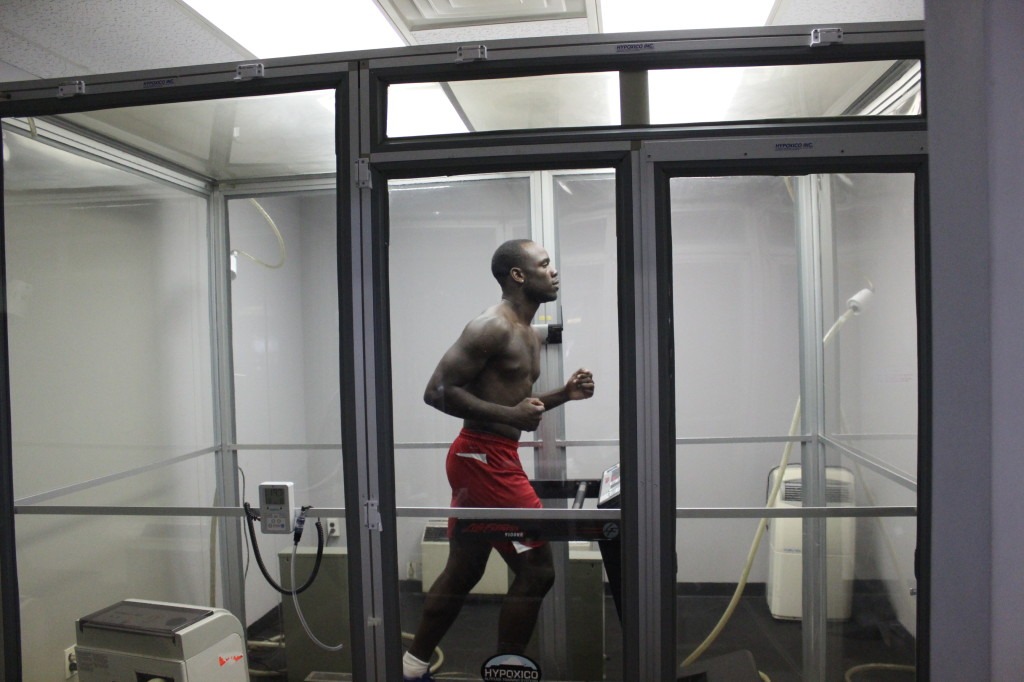
- Hypoxic (altitude) training
- Pilates / Yoga
- Fitness boot camp
- Extreme challenge
- Mountain biking
- Skiing
Your food and liquid intake is just as important as your exercise. Eating a natural diet of protein, grains, fruit and vegetables and consuming a good amount of water each day is recommended.
You can also prepare mentally by climbing some higher peaks so you get used to new heights, try meditation, try a new sport or exercise to push you out of your comfort zone. The right mindset will take you a long way on your trek to the top.
The bottom line is, the healthier you are the easier your climb will be.
So if climbing Mt Kilimanjaro is a goal of yours but you’re not yet in great shape, now is the time to make a new year resolution to get in better shape and scale new heights.
Frequently Asked Questions
How fit do I need to be to climb Mount Kilimanjaro?
You don’t need to be an athlete to climb Mount Kilimanjaro, but a good level of fitness really helps. The trek is more about endurance than speed, so being able to walk for several hours a day is key. Many people of different ages and backgrounds successfully reach the summit each year. What matters most is consistency in your training before the trip. If you can handle long hikes and recover well, you’re on the right track.
What kind of training should I focus on before the trek?
Your training should focus on cardio, strength, and hiking practice. Activities like walking, jogging, cycling, or swimming help build your stamina over time. Adding hill walks or stair climbing is especially useful since Kilimanjaro involves a lot of uphill trekking. Strength exercises for your legs and core will make carrying a backpack easier. The goal is to prepare your body for steady effort over multiple days.
How long should I train before climbing Kilimanjaro?
Ideally, you should start training at least 8 to 12 weeks before your climb. This gives your body enough time to gradually build strength and endurance without overdoing it. Starting earlier is even better if you’re new to regular exercise. A steady routine is more effective than intense last, minute workouts. Think of it as a gradual journey, just like the climb itself.
Should I train with a backpack and hiking gear?
Yes, training with your gear can make a big difference. Practicing with a backpack helps your body get used to the extra weight you’ll carry each day. It’s also a great chance to break in your hiking boots and avoid blisters during the actual trek. Using trekking poles during training can improve your balance and reduce strain on your knees. The more familiar your gear feels, the more comfortable you’ll be on the mountain.
How important is mental preparation along with physical fitness?
Mental preparation is just as important as physical fitness when climbing Mount Kilimanjaro. There will be moments when you feel tired, cold, or unsure, especially during summit night. Staying positive and focused can help you push through those tough times. Many trekkers succeed not because they’re the fittest, but because they keep going step by step. Building a strong mindset before your trip can make all the difference.
Still have questions?
Our local safari experts are happy to help you plan the perfect African safari.