When you’re planning a mountain trek there are many things you have to take into account and all of equal importance but right at the top of your list has to be your footwear.
Your boots should ideally be the first thing you purchase so that you can wear them throughout your mountain training in preparation for your trek. The quicker you become one with your trekking boots, the less likely you will be to suffer from blisters on your travels.
So what boots to climb Kilimanjaro?
We have climbed Mt Kili (and countless other mountains across the world) more times than we’ve had hot showers, so we know a thing or two about suggesting what boots work best.
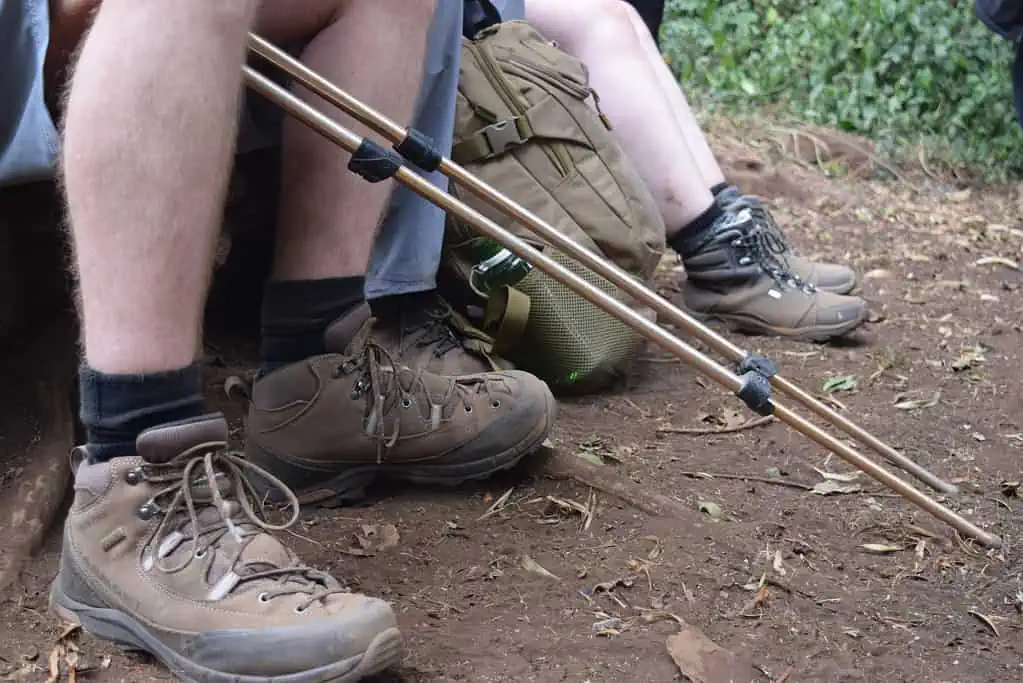
The most important thing we can recommend is buying a mid-length boot so that it has plenty of ankle support. Because the terrain on Kili is so diverse throughout the ascent and descent, you need a good amount of stabilisation in your boot to help you deal with those continual challenges.
It would be a great shame to miss out on summiting Mount Kilimanjaro because of a sprained ankle. The investment in a good pair of hiking boots is worth the achievement of summiting Kili, and any other mountain trekking you do, because a good pair of boots will take you a long way.
We recommend waterproof boots and ideally ones which incorporate Gor-Tex technology because this is tried and tested. Got-Tex produces the best waterproof results in all weather conditions because the material is also windproof and lightweight. The boots also tend to be better quality as standard.
Some people recommend wearing gaters. This is a personal choice but they can come in handy through the rainforest part of the trek. You can purchase ones which are midlength or right up to the knee. All good gaters would also have the Got-Tex technology.
Vibram soles shoes are by far the best in terms of grip and impact absorption. Vibram was invented in Italy specifically for mountaineers and trekkers and helped the Italian expedition team reach the summit of K2 in 1954 for the first time.
When you go to purchase your trek boots, take your time, ask as many questions as you need, and make sure they are completely right for you. Your feet are individual and on a trek to the summit of Mount Kili, you need to make sure the boots you choose will be an aid in that expedition and not the reason you didn’t make it to the top!
Our favourite Hiking boots
We personally use Scarpa boots. Their boots have taken us all over the world, and while we have no affiliation with them whatsoever, we can personally recommend them to you because we love them.
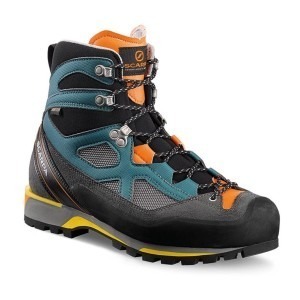
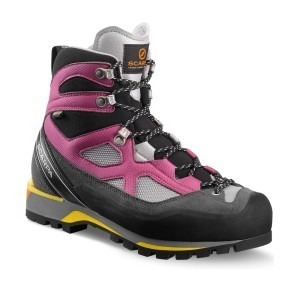
Choosing the right socks is also important. We recommend socks which contain Merino wool because it helps to regulate your body temperature. Smartwool socks have the ability to wick sweat away and keep your feet dry and warm. The wool also helps to prevent hypothermia and contains antibacterial properties.
Which ever boots you choose, wear them as often as possible before your trek and we’re sure you’ll become firm friends on your mount Kilimanjaro summit and beyond.
Frequently Asked Questions
What type of boots are best for climbing Kilimanjaro?
The best boots for Kilimanjaro are sturdy, waterproof hiking boots with good ankle support. The terrain changes from muddy rainforest paths to rocky trails and cold summit conditions, so versatility matters. Mid, to high, cut boots are ideal because they protect your ankles on uneven ground. A durable sole with strong grip helps prevent slipping. Comfort and reliability should always come first when choosing your boots.
Do my boots need to be waterproof?
Yes, waterproof boots are highly recommended for Kilimanjaro. The lower slopes can be wet and muddy, especially in the rainforest zone. Keeping your feet dry helps prevent blisters and keeps you comfortable throughout the trek. Weather can also change quickly, so it’s better to be prepared. Waterproof boots make a big difference in overall comfort.
Should I buy new boots just for the climb?
You can buy new boots, but you should never wear them for the first time on the mountain. It’s important to break them in during training hikes before your trip. This helps prevent blisters and ensures they fit properly. Well, worn boots that are still in good condition are often the best choice. Comfort and familiarity matter more than having brand, new gear.
How important is ankle support on Kilimanjaro?
Ankle support is very important because of the uneven and sometimes steep terrain. Loose rocks, slippery paths, and long hiking days can put strain on your ankles. Boots with good support reduce the risk of twists and injuries. They also help you feel more stable and confident while walking. This is especially helpful during the descent, which can be tough on your legs.
What socks should I wear with my boots?
Good socks are just as important as the boots themselves. Choose moisture, wicking hiking socks that keep your feet dry and reduce friction. Many trekkers use a liner sock under a thicker hiking sock for extra comfort. Wool or synthetic materials work best for regulating temperature. The right socks can help prevent blisters and keep your feet happy throughout the journey.
Still have questions?
Our local safari experts are happy to help you plan the perfect African safari.