Table of Contents
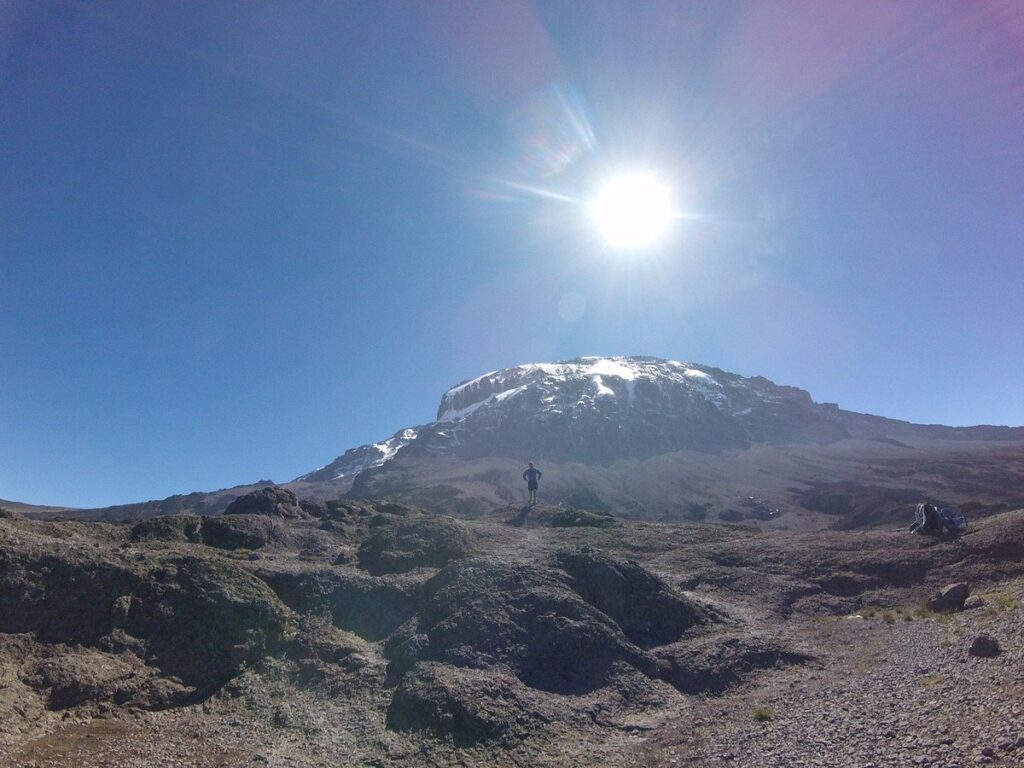
A snow capped mountain in Africa? How can it be? This was indeed the disbelief of many sceptics in 1849 when the intrepid German missionary first discovered the snow peak of Mount Kilimanjaro.
The Geographical Society of London thought it was absurd that snow could exist at such latitudes! The German was proven right though, when Baron Carl Laus von der Decken and Johann Ludwig Krapf confirmed the existence of snow on Mt Kilimanjaro when they carried out research in Tanzania.
So why is Mount Kilimanjaro snow capped? You have to understand the Kilimanjaro climate to get your answer.
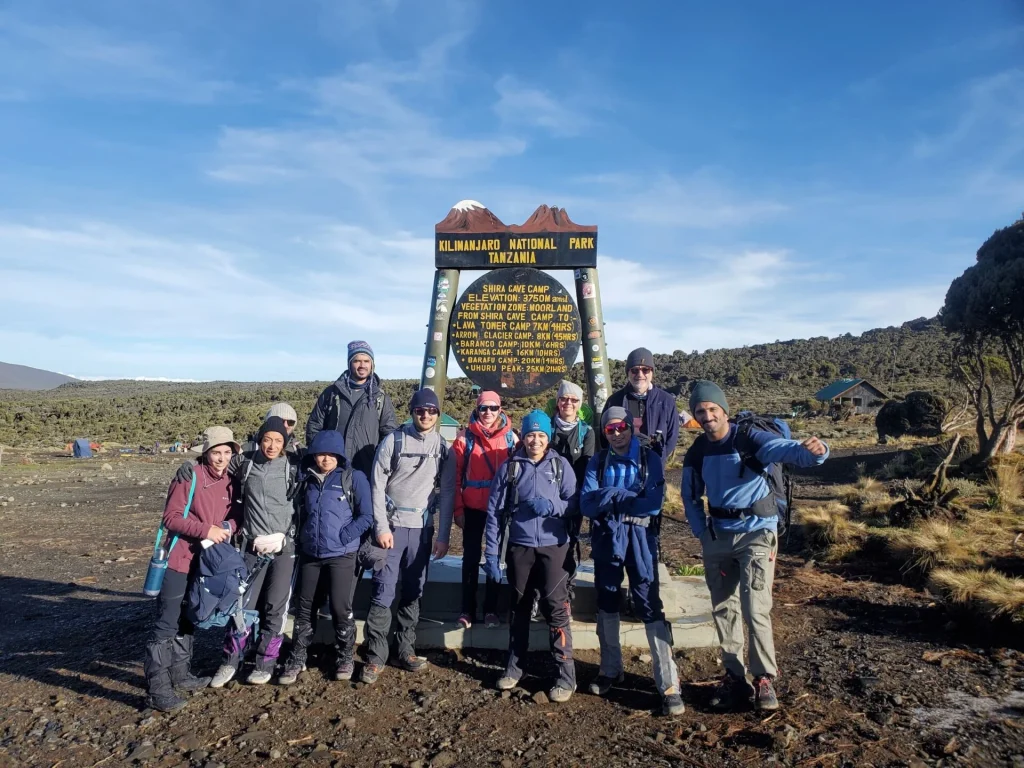
Because the trek covers different ecological zones, you start off with a desert like temperature and gradually move closer to an Antarctic temperature, which is why it’s so important to have the right gear and equipment and of course in excellent condition.
Mt Kili has 5 ecological areas, so at each stage of the climb you are faced with different weather conditions which you quickly need to adapt to. With experienced guides and porters, you are well taken care of during your journey to the snow capped summit.
The amazing Kilimanjaro is so unique that it creates its own weather system!
It is very wise to plan your trek around the Kilimanjaro climate because it will play a big part in your expedition. If you’re new to mountain trekking then one of the more favourable weather months would be ideal, and if you’re a hardened and experienced mountaineer then you may prefer more of a challenge.
When you prepare for your Kili climb, be sure to train in all weather conditions because this will hold you in good stead for your expedition challenge up Mount Kilimanjaro.
We think any time is a good time to climb Mount Kili but here’s the lowdown on what you can expect
January / February– Warmest months
March / May– Wettest months
June / August– Coldest months
September / October– Mild
November / December– Light rainy season
The five climate zones of Kilimanjaro are, from lowest to highest
Farmland– With temperatures reaching around 80F, this is the warmest part of your expedition. Here you will see the villages where a lot of the Kilimanjaro porters and mountain guides were raised and now raise their families. This is a vibrant area which is now used to grow coffee bean shrubs.
Rainforest– This is a lush and dense area with exotic plant life and an abundance of wildlife. As the name suggests, you can expect to experience rainfall and a certain humidity whilst travelling through the rain forest. A truly magical way to start your ascent up Mt Kili.
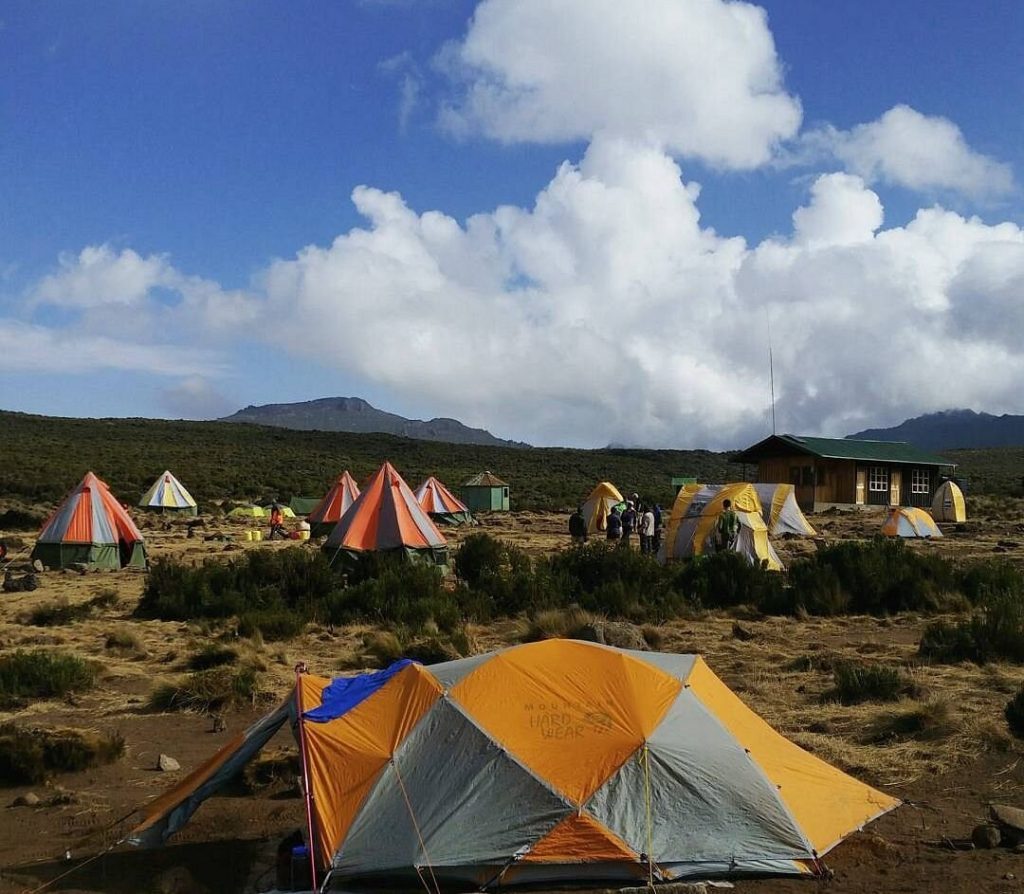
Mooreland– Temperatures fall away in this heather and moss covered zone. You can expect the temperature to drop to around 40F so this is the area where you will start to adjust your climbing gear. The amazing view really opens up in this zone and you may come across some leopards and elephants if you’re lucky.
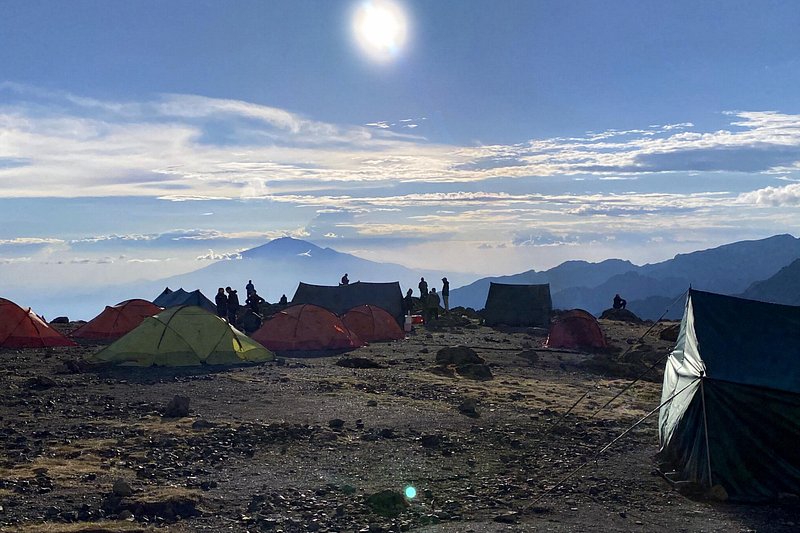
Highland Desert– Now the vegetation falls away along with the temperatures and oxygen levels. This is where the climb gets really serious and as it drops to around 20F in the daytime and freezing at night, this is where your warmer gear really comes into play. Aside from a few grasses and hardy plants, this area is barren and the environment becomes more challenging.
Snowy Summit– This area is just like being in the North or South Pole. You will have been totally prepared for the freezing temperatures which can be around 10F or a lot lower / higher depending on how Kili’s climate is feeling that day. Oxygen is cut in half from where you started your climb but because the trek to the summit is taken at a steady pace, you will be well acclimatized to handle the change.
So there you have it. There is now up there, but if you don’t believe us, come and climb the great Mt Kilimanjaro yourself and find out.
Frequently Asked Questions
What kind of climate does Mount Kilimanjaro have overall?
Mount Kilimanjaro has a unique climate that changes dramatically as you climb higher. It’s often described as having multiple climate zones stacked on top of each other. You can start in warm, humid rainforest conditions and end in freezing, near, arctic temperatures at the summit. This variation is due to the mountain’s massive height and elevation gain. It makes the climb feel like traveling from the equator to the poles in just a few days.
How many climate zones are there on Kilimanjaro?
There are five main climate zones on Kilimanjaro, each with its own weather patterns and landscapes. These include the rainforest, moorland, alpine desert, and the arctic summit zone. As you move through each zone, you’ll notice changes in temperature, vegetation, and humidity. The transitions are gradual but very noticeable over the days of trekking. Experiencing all five zones is one of the most fascinating parts of the climb.
How cold does it get at the summit?
At the summit of Kilimanjaro, temperatures can drop well below freezing, often between , 10°C and , 20°C. Wind chill can make it feel even colder, especially during early morning summit attempts. Climbers need proper cold, weather gear to stay safe and comfortable. Despite being near the equator, the altitude creates extremely cold conditions. Reaching the summit is as much about managing the cold as it is about the climb itself.
Does it rain a lot on Mount Kilimanjaro?
Rainfall mainly occurs in the lower rainforest zone, where conditions are warm and humid. The mountain has two rainy seasons, typically from March to May and in November. Higher up, rainfall decreases and is replaced by dry, cold conditions. Snow and ice are usually found near the summit. Choosing the right time of year can help you avoid heavy rain and improve your overall experience.
How should I prepare for Kilimanjaro’s changing climate?
Preparation means packing for a wide range of weather conditions, from heat to freezing cold. Layered clothing is essential so you can adjust as temperatures change throughout the climb. Waterproof gear helps protect against rain in the lower zones. Staying warm and dry is key to maintaining comfort and safety. Being ready for all climates ensures you can fully enjoy the adventure.
Still have questions?
Our local safari experts are happy to help you plan the perfect African safari.