
Table of Contents
Competition for business is fierce in both Moshi and Arusha, so it’s fairly easy to find either a tour company who will offer you the best Kilimanjaro Trek. Most people who climb Kilimanjaro, unlike Mt Kenya, opt to go on an organised tour. There are good reasons for this. Most of the charges are standard and a guide is compulsory in any case.
Also, as the climb takes a minimum of five days, organising your own climb involves a lot of running around, which is difficult. Having someone to do it for you can very well make the difference between loving and hating the trek.
Likewise, hiring porters to carry the bulk of your gear is going to add considerably to your enjoyment of the mountain. Are you seriously going to climb the highest mountain in Africa without hiring a guide or porter to carry your heavy gear and guide you on the way? If you are, then you’re either crazy or an athlete.
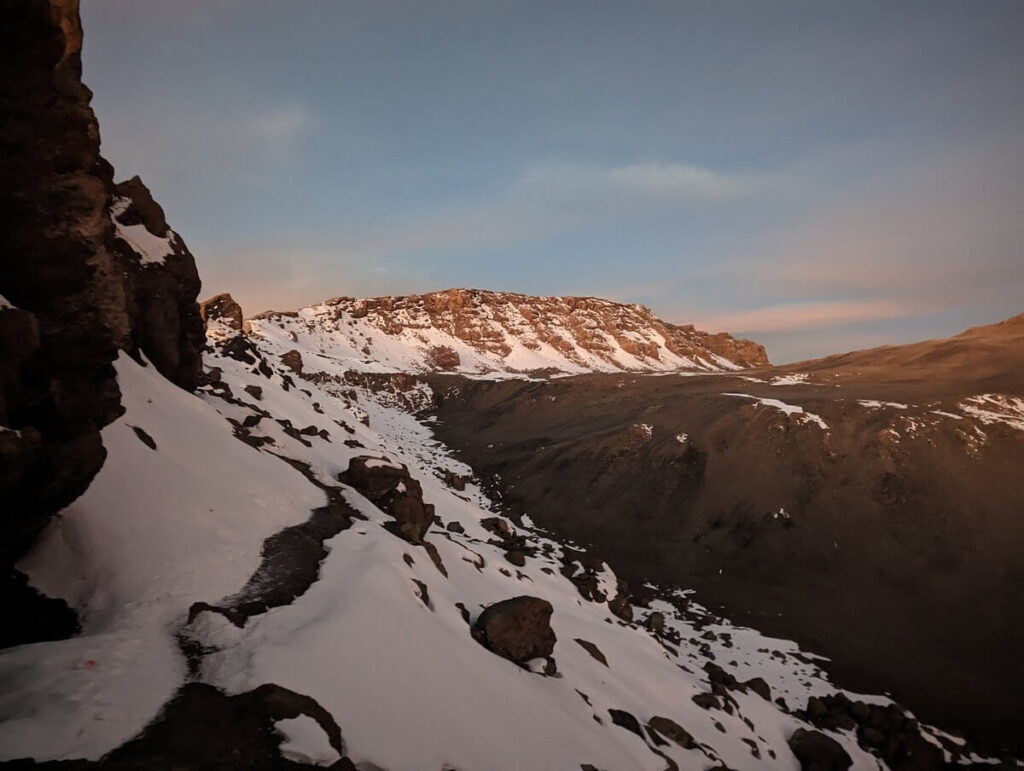
Kilimanjaro Tour Cost
At Kilimanjaro ASAP, we do have a range of trips to Mount Kilimanjaro, all of which include a guide/cook and porters fees, all meals 3 times per day, park entry fees, camping fees, government tax, rescue fees and transport to and from the Kilimanjaro gate to your Hotel accommodation in Moshi. Our treks package can include accommodation the day before and after the trek but this is completely optional. You can let us know during the booking if you want us to book accommodation for you.
The standard six-day trek to Kilimanjaro takes you up and down the Marangu route using the hut accommodation. The cost is US$1700 per person in a group of more than two people or US$1800 for one person. Shorter trips are available at a reduced cost. We also offer a range of organised treks, usually up the Machame or Lemosho route and down the Mweka route, taking from six to eight days and using our own camping tents en route. Costs vary according to the number of days you wish to spend on the mountain and the number of people in the group, though it’s cheapest with a group of four or more people.
A six-day direct trip to Uhuru peak via the Machame route costs US$1900 to US$1800 per person (one to four people respectively); a 7-day trip along the same route is from US$2100 to US$1900 per person (one to four people respectively); while A seven-day direct trip to Uhuru peak via the Lemosho route costs US$2250 to US$2000 per person (one to four people respectively); an 8-day trip along the same route is from US$2450 to US$2150 per person (one to four people respectively); A seven-day trip going up the Rongai Route and down the Marangu route costs from to US$2150, while a six-day trip going in on the Umbwe trail and out via the Mweka route costs from US$2000 to US$1950.
All prices include park entry fees, guide and porter fees, food, transport to and from the road heads. It’s probably true to say that the cheapest deals are available in Moshi and Arusha rather than somewhat travel agency on the internet, particularly if you want good accommodation the night before and the night after a trek, as some tour companies in Arusha and Moshi including Kilimanjaro ASAP can offer deals on the Hotel accommodation which you would not be able to match through your own efforts.
If you go with a local tour company, check exactly what is included in the price and what is not. It’s not that they’re unreliable; it’s just that, at those prices, they’re cutting a fine line between profitability and bankruptcy.
Don’t expect any frills! If you’d like a little more grease on the wheels and basic creature comforts without the organisational headaches, check us out via our Contact us page. You can safely assume that our prices quoted include park fees, hut fees, guide fees, porters fees, cooked food, guaranteed hut bookings and transport to and back from the Kilimanjaro gate, Camping equipment, airport transport as well as wages for all the crew member.
If you do book through an agent online, make sure they are not going to subcontract it out to a company in Moshi or Arusha – otherwise, you will have given up your ability to negotiate and will end up paying two lots of commission.
Kilimanjaro Guides & Porters Cost
The charges for guides, porters and cooks are organized according to the Kilimanjaro Porters Assistance Project (KPAP). Porters will carry up to 15 kg including the weight of their own food and equipment.
A normal day’s work is regarded as one stage of the journey — from the Horombo hut to Mawenzi Hut for further acclimatization, for example, Porter will still get wages even if they don’t do anything the following day. Regardless of whether you go on which route to Kilimanjaro peak the guide, assistant guide, porters and the cook (where provided) will expect a reasonable tip at the end of the trek. Be generous, you may think you have paid a lot of money for your climb but most of it will have gone to national parks, transport and food.
The wages of the guide, assistant guide, porters and cook will have been minimal hence most of them will highly depend on gratuities and at Kilimanjaro ASAP we recommend equal tipping to all crew members. Most of the tips will be described as this Guides: US$20 per day per group Cook: US$15 per day per group Porter: US$10 per day per group
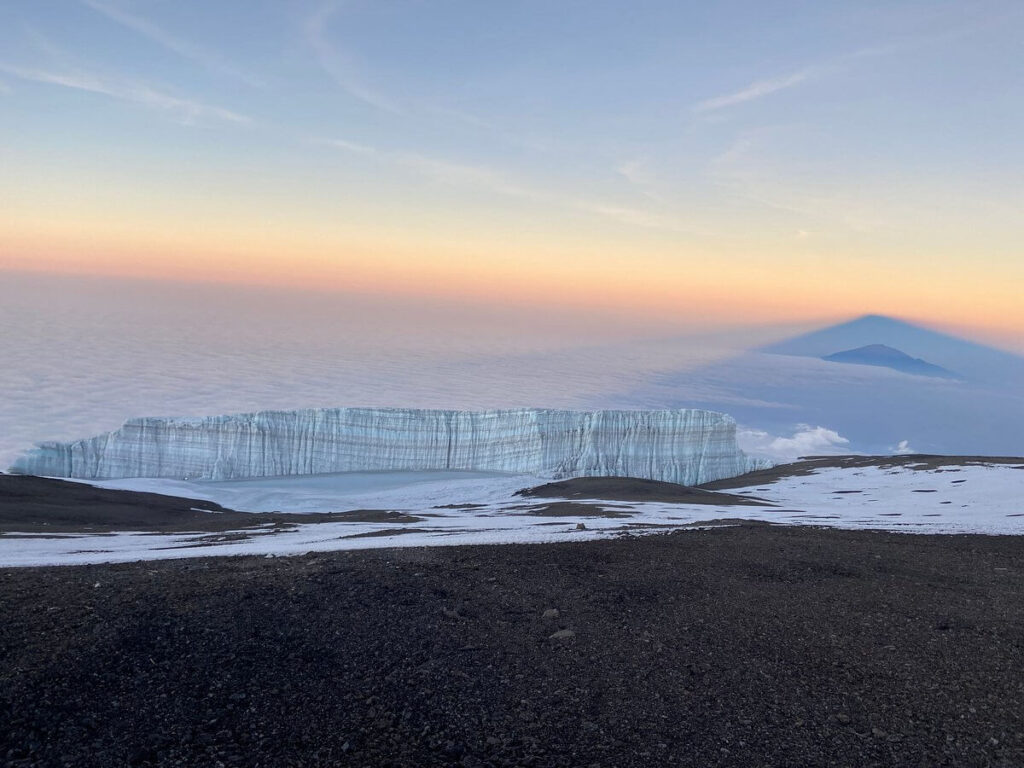
Before and After Kilimanjaro Accommodation Cost
The vast majority of our travellers stay at the Park View Inn Moshi, on the Moshi Boma Rd some 300 metres from the clock tower. It’s a somewhat large, modern building with a WiFi, swimming pool, dining room as well as bar and restaurant. The rooms are spotlessly clean and well furnished and some face Mt Kilimanjaro mountain. It costs Us $81 for singles/doubles, including breakfast(fruit, eggs, bread and butter and tea/coffee). The hot shower and toilets are private. Lunch and dinner are also available and are good value.
There is also a fairly lodging hotel available for those tight on funds which include Panama Garden Resort, It’s a friendly place and there’s a guarded car park. Cheaper but considerably cleaner and with a great view, just forward from the Moshi Arusha round about tower towards the shanty town residence It offers self-contained singles/doubles for Us $71 and has a restaurant and bar as well as swimming pool and good internet.
Good value, but further away from the centre and slightly more expensive, the Kilimanjaro Wonders Hotel. It is in a very pleasant area and has safe parking. Private bathroom facilities and a hot shower. It’s a new and modern place run by friendly people. There’s also a self-contained suite for Us $ 150 as well as free WiFi.
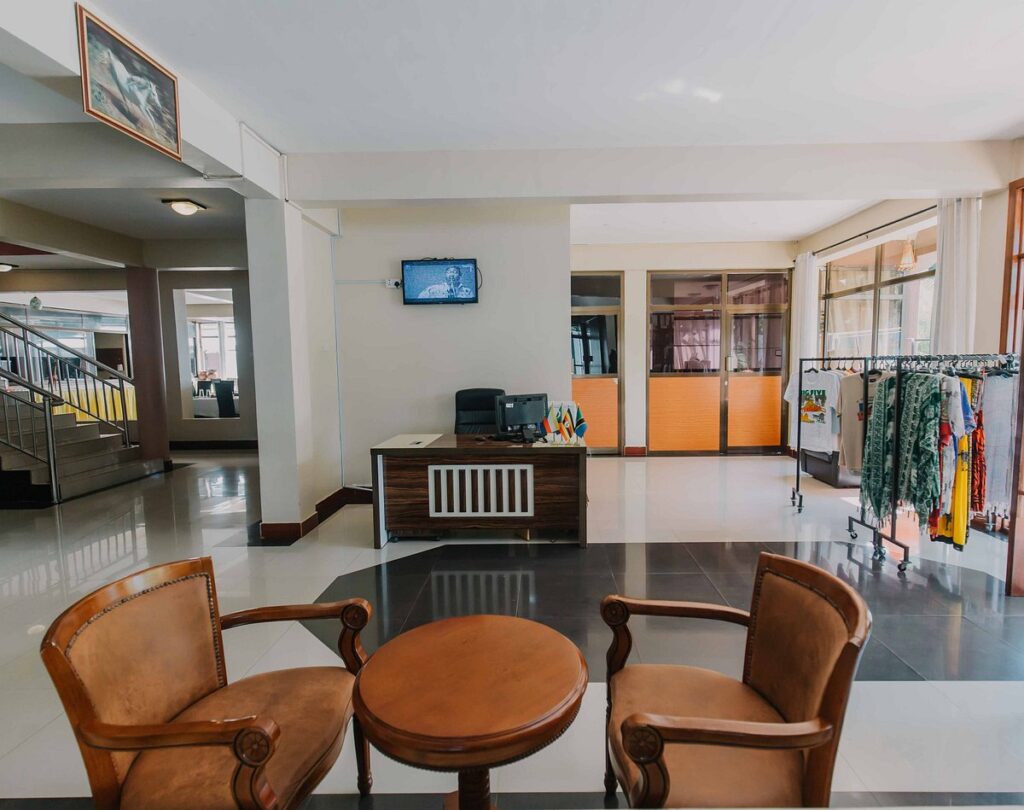
There are great views of Kilimanjaro from the rooftop restaurant and some of the rooms. Also, there is a decent pool which is clean and modern. If you stay here, you will no doubt appreciate the management’s effort to maintain tranquillity and cleanness. There are quite a lot of travel agents on the internet which offer Mt Kilimanjaro treks, but most of these companies just sell the treks operated by local tour companies in Moshi and Arusha, charging you an extra commission in the process. However, some agents are running their own treks.
Frequently Asked Questions
How much does it cost to climb Mount Kilimanjaro?
Climbing Mount Kilimanjaro typically costs between $1,500 and $6,000 per person, depending on the operator and route you choose. Budget operators may offer lower prices, but these often cut corners on safety, food quality, or staff welfare. Mid, range and premium packages usually include better equipment, experienced guides, and higher safety standards. The number of days on the mountain also affects the cost, as longer treks improve your chances of reaching the summit. It’s important to see the price as an investment in your safety and overall experience rather than just a fee.
What is included in the trekking price?
Most Kilimanjaro trekking packages include park fees, camping or hut accommodation, meals, guides, porters, and basic camping equipment. Park fees alone can make up a large portion of the total cost, as they cover conservation and rescue services. Reputable operators also include airport transfers and pre, and post, climb accommodation. However, items like flights, visas, travel insurance, and personal gear are usually not included. Always check what’s covered before booking so you don’t face unexpected expenses later.
Why do prices vary so much between tour operators?
The price differences often reflect the level of service, safety standards, and ethical treatment of porters. Cheaper operators may overload porters or provide inadequate food and equipment, which can affect your climb. More expensive companies tend to follow fair wage practices and provide better training and gear for their teams. They also invest in emergency preparedness, such as oxygen tanks and medical support. Choosing a responsible operator ensures a safer trek and a more ethical travel experience.
Are there hidden costs I should prepare for?
Yes, there are several additional costs that many trekkers overlook when planning their budget. Tips for guides and porters are expected and can range from $200 to $400 per trekker. You may also need to rent gear like sleeping bags, jackets, or trekking poles if you don’t own them. Travel insurance that covers high, altitude trekking is essential and adds to your expenses. Small personal purchases like snacks, drinks, or souvenirs can also add up over the trip.
Is it worth paying more for a Kilimanjaro trek?
In most cases, paying more leads to a safer, more comfortable, and more successful climb. Better operators provide proper acclimatization schedules, which significantly increase your summit success rate. They also ensure you have nutritious meals, good, quality tents, and experienced guides who monitor your health. A well, supported trek can make the difference between reaching Uhuru Peak and turning back early. Ultimately, spending a bit more can turn your Kilimanjaro adventure into a once, in, a, lifetime achievement rather than a stressful experience.
Still have questions?
Our local safari experts are happy to help you plan the perfect African safari.


