
It’s not surprising that trekking on this mountain is high on many travellers’ priority list. However, because Mt Kilimanjaro is so easy to reach, and because is not technically difficult, this can create its own set of problems. Many people do the ascent much too quickly and end up suffering from headaches, nausea and other (sometimes more serious) effects of altitude sickness. This is obviously going to detract from your enjoyment of going up there and prevents quite a few people from reaching the summit. Scaling a 5895-metre mountain is no joy ride!
To give yourself the best chance of reaching the top, it’s a very good idea to choose the route with more hiking days, though this will not guarantee you plain sailing. Remember the old mountaineering adage: ‘Go high, sleep low’. Also, whatever else you do, walk slowly “pole pole” in the Swahili language, drink a lot of liquid, suck glucose tablets and don’t eat too much (you won’t feel like eating much anyway). Other travellers recommend taking medicine (usually prescribed for elderly patients to treat glaucoma). It’s useful in treating altitude sickness. Staying more night in the mountain camps or huts are going to make the trek into a more days affair and increase your costs, so bear this in mind and make sure that the trekking outfit understands what you have in mind before setting off.
If you get in any serious condition like loss of consciousness or severe headache as well as a limb or born injury or any problem of breathing then there is an emergency medical helicopter evacuation that they can arrive in 5 minutes. And what you have to do is to ask your guide to take you to the nearest helipad and this can be paid by your insurance.
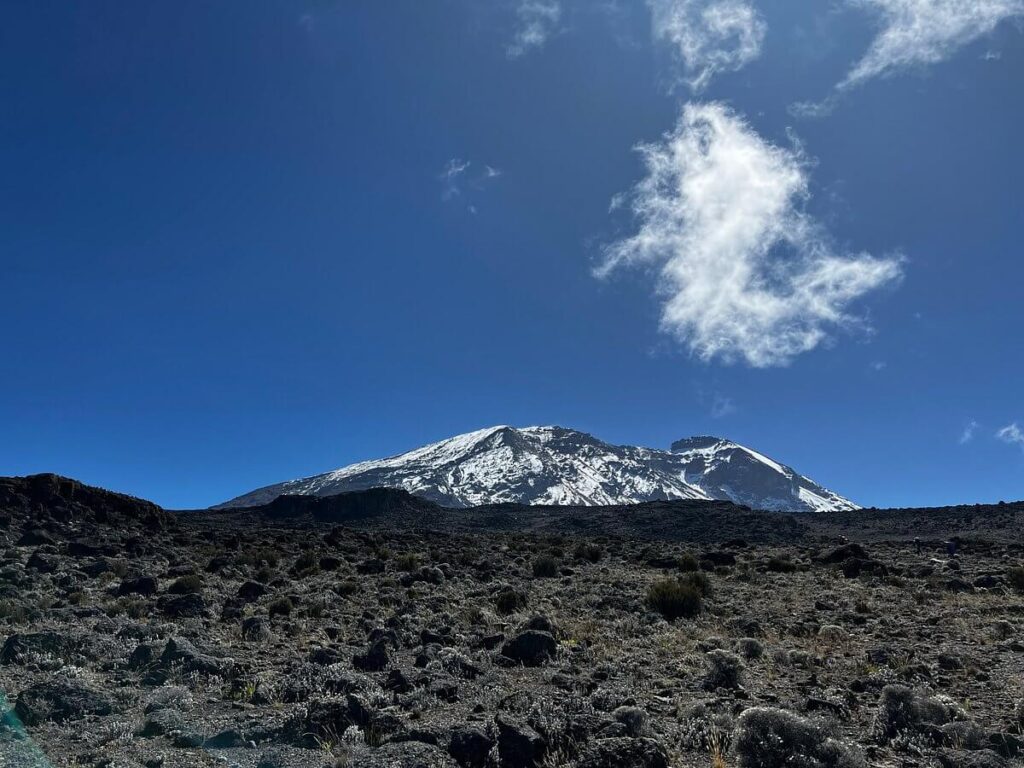
Another problem can be the weather; even though they end up seeing the glaciers on the summits, many visitors go up the mountain without proper gear, completely unprepared for the cold and wet conditions often encountered.
This situation is made worse by some tour companies (and some guidebooks) billing the trek to Kilimanjaro as an easy hike. It’s not unknown for ill-prepared independent trekkers to died on Mt Kilimanjaro sometimes with fatal results. Most years there are reports of people simply dead on the mountain.
So, when planning your trek up Mt Kilimanjaro, it is important to realise that this is no small mountain. If you spend at least five nights on the scent before going to the summit on Uhuru Peak, you stand a much better chance of enjoying yourself, and with proper clothes and equipment, you stand a much better chance of surviving too and reach the peak.
If you’re not a regular mountain walker and want to climb on your own without a competent companion or a local guide, is simply asking for trouble. The best time to go, as far as fair weather is concerned, is from June to late October and from late December to February.
Frequently Asked Questions
How can you stay safe while climbing Mount Kilimanjaro?
Staying safe on Kilimanjaro starts with choosing a reputable operator and experienced guides. They monitor your health, set a steady pace, and handle emergencies if needed. Following your guide’s instructions is one of the most important things you can do. Take your time, don’t rush, and listen to your body throughout the trek. Safety on the mountain is really about teamwork, awareness, and patience.
How do you prevent altitude sickness?
The best way to prevent altitude sickness is to go slowly and allow your body to acclimatize. Most routes are designed to gradually increase altitude, which helps reduce risk. Drinking plenty of water and eating well keeps your body strong. Some climbers also take medication like acetazolamide after consulting a doctor. Paying attention to early symptoms and communicating with your guide is key to staying safe.
What gear is essential for safety?
Having the right gear can make a big difference in your safety and comfort. Warm layered clothing protects you from freezing temperatures at higher altitudes. Good hiking boots help prevent injuries on rocky or uneven terrain. A proper sleeping bag, headlamp, and trekking poles are also very useful. Being well, prepared means you can focus on the climb instead of struggling with the conditions.
What should you do if you feel unwell on the mountain?
If you start to feel unwell, the most important thing is to speak up immediately. Guides are trained to recognize symptoms and will decide whether you need rest or to descend. Ignoring symptoms can make things worse very quickly at high altitude. In serious cases, descent is the safest and fastest way to recover. Remember, your health always comes before reaching the summit.
Is travel insurance important for Kilimanjaro?
Yes, having travel insurance that covers high, altitude trekking is essential. It should include emergency evacuation, as helicopter rescues can be very expensive. Accidents and illness can happen even with good preparation. Insurance gives you peace of mind and financial protection during your climb. It’s one of those things you hope you won’t need, but you’ll be glad to have if something goes wrong.
Still have questions?
Our local safari experts are happy to help you plan the perfect African safari.


