
Table of Contents
- Emergency Oxygen
- Pulse-oximeters
- Canvas Stretchers
- First-aid Kits
- Gamow-bags
- Flying Doctors Evacuation
- Sleeping Tents (sleeping bags, hot-water bottles, cots and mattresses)
- Another crucial piece of equipment is your mattress and pillow
- Hot-water bottles
- Sleeping bags
- Dining Tents
- We use two types of tents for dining
- Toilets and Showers
- Frequently Asked Questions
The challenge all outfitters face is one of finding the delicate balance of comfort between client expectations, safety, costs, environmental responsibility and plain reality.
While it is possible to porter everything including the kitchen sink up the slopes of Kilimanjaro, a more sensible approach is best. At Kilimanjaro ASAP we look at our camp gear from a practical point of view: what do our clients need to help them be successful on Kilimanjaro without dramatically increasing their costs and/or harm the environment?
Please know our basic safety equipment are not considered comfort items – these are entitlement items and we carry them on every trek regardless of your comfort selection. Here is a short but important description of our emergency equipment:
Emergency Oxygen
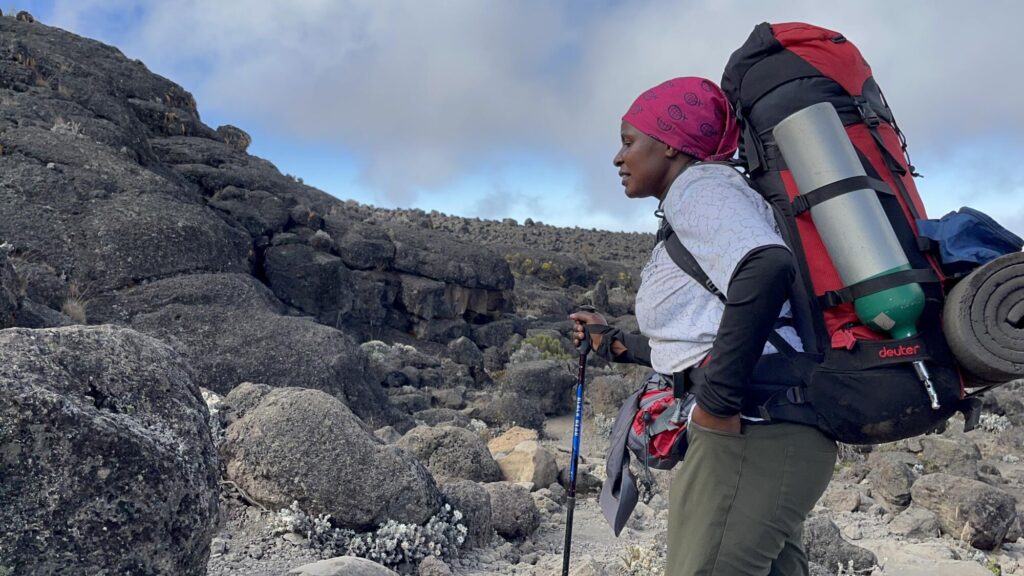
We carry enough oxygen for use in emergency situations on ALL treks. We DO NOT supply clients with supplemental oxygen on the way to the summit because this is a very dangerous thing to do. You do not need supplemental oxygen to reach the 19340ft summit of Kilimanjaro. If you do, it means you are not acclimatizing properly and administering bursts of oxygen creates a compounding problem that can turn fatal if a technical problem happens and/or your oxygen supply gets depleted. Our solution is best and all the top outfitters agree – we specialize in making sure our clients acclimatize properly without supplemental oxygen and when they don’t, they must descend. This is the safe thing to do.
Pulse-oximeters
Available on ALL treks. We use these little finger-devices to measure your percentage of oxygen-rich red blood cells traveling through your body. As you climb higher, we expect your readings to show less saturation and dramatic drops may point to acclimatization issues. But we do not depend solely on these readings. Your guides will monitor you in many ways, including your ability to keep up with your group, your appetite, your water intake, your communications (slurring words, etc), your breathing, headaches and other symptoms.
Canvas Stretchers
Available on ALL treks. To carry you safely and comfortably during an emergency descend.
First-aid Kits
Available on ALL treks. Your guides are trained to treat minor injuries and discomforts BUT we can not give you medicine or other drugs! Should you have an allergy the end-result can easily be more harmful than the symptom we are treating! Please bring your own small supply of pills and drugs as recommended by your doctor including Diamox. Our guides will advise you when and how to take your medication but please read our health section elsewhere on this website.
Gamow-bags
Available when sleeping in the Crater. If you overnight in the Crater on Kilimanjaro, simple evacuations are not always possible because you have to ascend higher in order to scale the rim before descending down to a lower elevation. If you are suffering from serious altitude-related symptoms it may be safer to stabilize you by placing you in our pressured altitude chamber for an hour or so. This will fool your body into thinking you are 2000ft or so lower in elevation and the improvement in your condition will buy precious time as we evacuate you over Stella Point and down to safety. A Gamow bag is not needed for treks that do not overnight in the Crater as immediate and fast descending is always possible and preferred.
Flying Doctors Evacuation
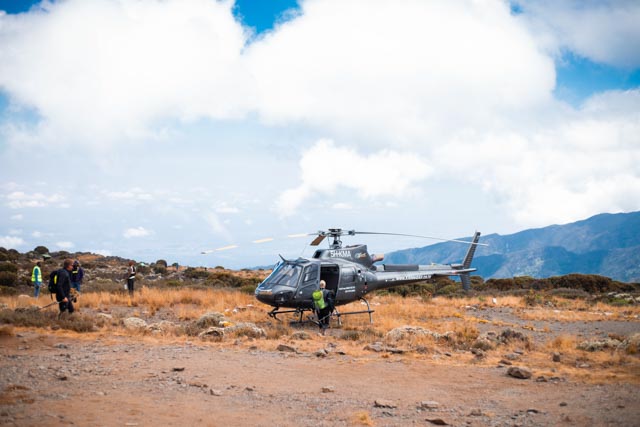
Available on ALL treks. You are automatically enrolled in this program when you book with us. Should you require serious medical attention, our guides will call the Service who will send helicopters or airplanes to the nearest landing strip to evacuate you the nearest best hospital at no cost to you. But please remember you will be responsible for medical costs. The Flying Doctors organization works directly with your insurance company to recoup their flight costs – please make sure you have proper medical insurance before tackling Kilimanjaro!
Here is a list of our standard comfort equipment available to ALL our clients regardless of the climb package they choose:
- Meals served in Walk-in Dining Tents
- Camp Chairs with armrests and back support
- 4-season Sleeping Tents
- Thick Mattress
- Safe, good-tasting, treated Drinking Water (not boiled)
- Flying Doctors Evacuation Services
Our specific comfort upgrades are discussed in the separate posts, but please read the following general description of all our comfort equipment:
Sleeping Tents (sleeping bags, hot-water bottles, cots and mattresses)
On any Kilimanjaro day you will see a huge assortment of gear on display at the camp sites. From flimsy backyard family-style tents to bomb-proof Everest-style expedition tents costing thousands of dollars, trekkers have to deal with whatever their outfitters decide to pack for the trek.
In good weather the cheap family-style tents look comfortable and inviting – these are often large summer tents with big windows and footprints. But Kilimanjaro is not your typical backyard on a windy summer afternoon. Gale-force winds and heavy snow are not only destructive, these storms can be dangerous. Porters die every year on Kilimanjaro from pro-longed exposure to the elements and many treks and summit dreams end when clients lose their sleeping tents. Clearly, this style of tent may hinder a team from reaching the summit and is not in our inventory.
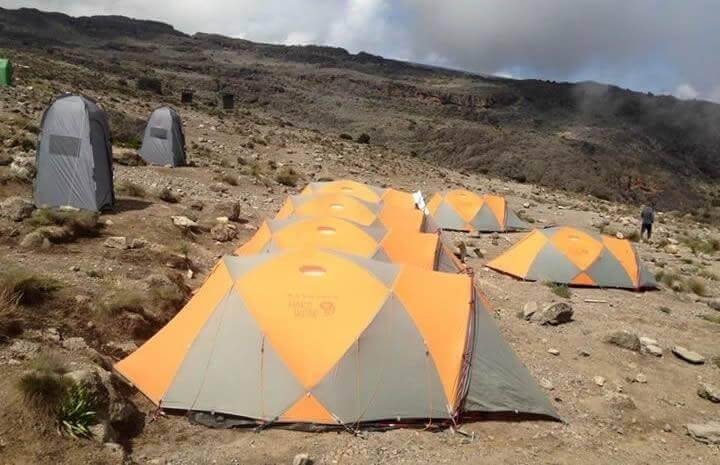
A general rule of thumb is to use at least 3-season rated tents for dining and sleeping. 4-season tents are better but expensive and only a small number of outfitters can afford these. Top outfitters such as Kilimanjaro ASAP have 4-season tents in inventory from respected manufacturers such as Mountain Hardwear. These tents are have minimum condensation, double doors, full fly-sheets with large vestibules and are light-weight in design.
We have 3-person Mountain Hardwear Trango tents in our inventory for clients who want explorer-style 4-season tents at a lower price point. Interior height is one of the most challenging requirements to satisfy on Kilimanjaro. The older one gets, the more inconvenient it is to crawl in and out of regular tents. In ten years we have heard many times from clients who loved the trek but they struggled with their low tent.
A walk-in tent on Kilimanjaro is a rarity yet we do not consider it a luxury item. It is a necessity that enables our many older clients to concentrate on the hike and not be concerned about crawling around on their knees. The truth is, every day you will spend many hours in your tent. You rise early, hike for 3-5 hours and have most of the afternoon to acclimatize and rest. The more comfortable you are in your tent, the better.
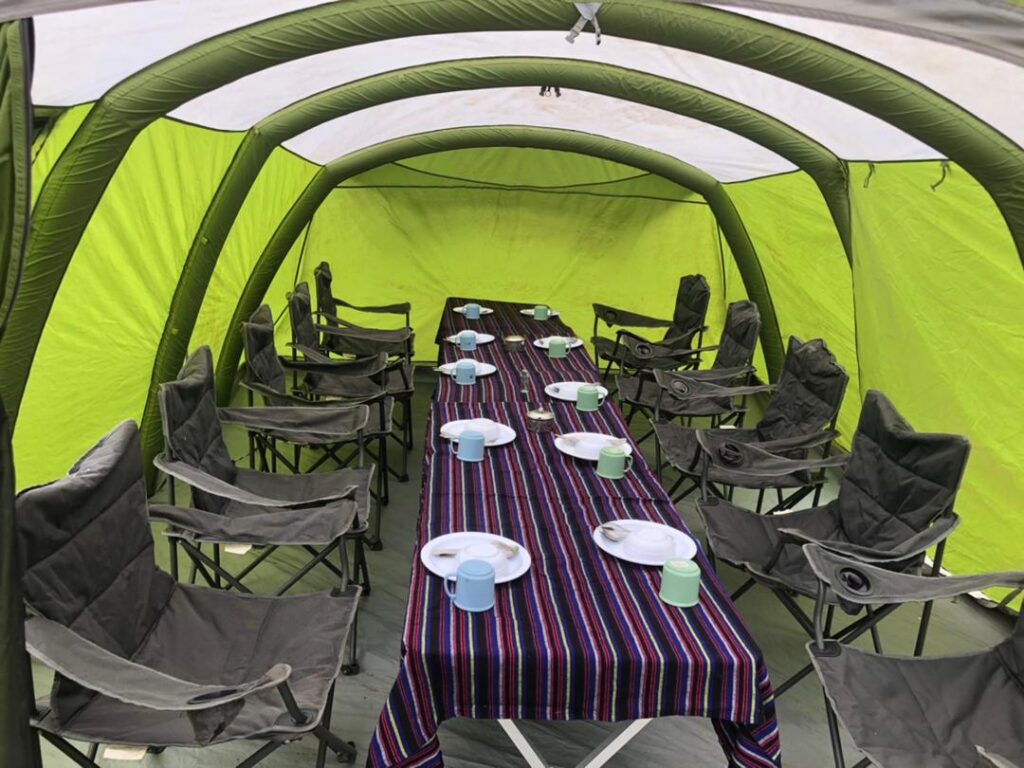
Our large walk-in tents are light-weight, warm, rated for 4-seasons and easy to set and pack. In fact, we love them so much we decided to make them standard for 3 of our 4 comfort options! This sets Kilimanjaro ASAP apart from all other outfitters on Kilimanjaro.
Another crucial piece of equipment is your mattress and pillow
Forget about those narrow self-inflating air mattresses and thin roll-up foam things you buy in outdoor stores. Those are for backpackers who carry their own light-weight packs. Unless you are a very keen backpacker who sleep out often, forget about using them on Kilimanjaro and avoid outfitters who use those – you will not sleep well and your stiff back will haunt you every morning.
Kilimanjaro ASAP offers thick mattresses designed for a good nights’ rest. After 10 years on the mountain we know what our climbers want to sleep on.
Sleeping cots
While not a crucial item on Kilimanjaro, a sturdy cot and mattress really help when your body is not as flexible as it used to be. It makes it much easier to get dressed and especially when tying or untying your hiking boots. Sturdy cots are heavy and not for everyone on the mountain. It is not a standard item in our mountain inventory but a cot is available in our All-Inclusive PLUS package.
Hot-water bottles
It is unbelievable to know most outfitters do not offer these! We place a hot-water bottle in your sleeping bag from the second camp onwards. Crawling into your sleeping bag at night and feeling the familiar heat from the hot-water bottle is a simple yet amazing sensation!
Sleeping bags
Bring your own or use one of our rental bags. Always bring a liner whether you rent or not. Liners are small and easy to pack, are lightweight and add about 10 degrees of warmth. Kilimanjaro ASAP offers mummy rentals rated between 0 and -25 degrees F. We do not offer down filled bags because we must wash our bags after every use. Only synthetic bags can withstand multiple washes without losing heat capabilities.
Dining Tents
We want our clients to hang out! On Kilimanjaro the mind can do strange things when idle and your thoughts can easily turn negative if you allow it to.
The dining tent is a place where you gather with fellow trekkers and mountain crew to talk, play card games, joke around, learn Swahili and dine! When you think of other things the time passes faster and your mountain experience gets better. You never want to allow yourself to doubt your capabilities and focus on the ever-present altitude-related symptoms (headaches, stomach ailments, tired legs, shortness of breath, etc.)
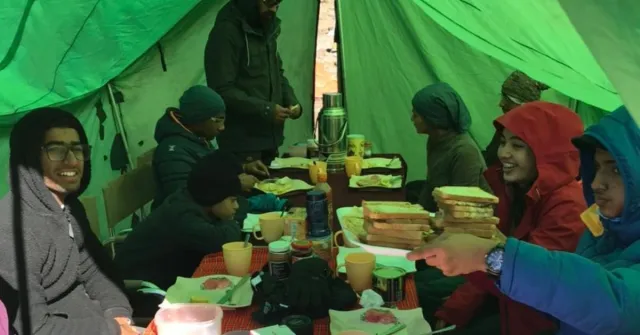
Needless to say, the dining tent has to be large enough for your group, strong enough to withstand the mountain elements and comfortable at freezing temperatures. It cannot be too heavy and it must be easy to set and pack.
There is no one-size-fit-all dining tent! Here at Kilimanjaro ASAP we have several options in our inventory and we pack the right one for each trek! The right tent is the one that best suits the group size, and not necessarily the one that looks the best on Kilimanjaro.
For example, it is too expensive to carry a 10-person, 45lb Mountain Hardwear Stronghold tent for only two trekkers. Heavier tents require more porters and then clients have to tip substantially more than they budgeted for. Cold and wet (from condensation) dining tents are a common problem on Kilimanjaro. Ask anyone you meet on a trek and 2 out of 3 will complain about their dining tents and the bathroom situation! The reason is most outfitters use thin single-layer dining tents to save weight but these tents suffer badly from condensation.
We use two types of tents for dining
1. Large tents with 7-feet headroom and flysheets to help manage the cold and the condensation.
2. Specially designed multi-layer tents used by ice-sports enthusiasts on the tundras of the northern states. We are currently the only outfitter experimenting with these kind of tents!
Toilets and Showers
Kilimanjaro ASAP offers portable toilets in privacy tents. There is not much to say about our toilets. They are essential because the public long-drop toilets on Kilimanjaro are horrendous and over-crowded. Our porters empty the holding tanks at the nearest public toilets at every camp. Please note – at Crater Camp there are no public toilets so we use the Clean Waste toilet kits to bag the waste and carry it down.
Our showers are interesting! We are one of very few companies offering showers!
There is plenty of misunderstanding about our showers on Kilimanjaro. First of all, it is an optional service we provide so you are not forced to shower! We generally set up our showers at the halfway camp on the way to the summit and at Mweka camp after you reached the summit.
All outfitters provide bowls of warm water to their clients so they can wash after a long day of trekking. We simply take the same amount of water and put it in a sunshower instead of the bowl! This allows you to rinse your whole body with minimum water but the short splash MAKES A HUGE DIFFERENCE. You will feel refreshed and ready for your next challenge. A short shower is a really good solution to help prevent painful chafe caused by perspiration between the legs and buttocks areas.
Frequently Asked Questions
How can I prevent altitude sickness while climbing Kilimanjaro?
The best way to prevent altitude sickness is to go slowly and give your body time to adjust. Most routes are designed with acclimatization days, and it’s important not to rush them. Drinking plenty of water and eating regularly also helps your body cope with the altitude. Listen to your guide, as they are trained to spot early signs of trouble. If symptoms worsen, descending is always the safest option.
What should I pack to stay comfortable during the trek?
Packing the right gear makes a huge difference in your comfort on the mountain. You’ll need layered clothing to handle changing temperatures, from hot days to freezing nights. Good hiking boots, a warm sleeping bag, and a quality backpack are essential. Don’t forget small comforts like lip balm, sunscreen, and snacks you enjoy. Being well, prepared helps you focus on the experience instead of discomfort.
How do I stay warm at night on Kilimanjaro?
Nights on Kilimanjaro can get extremely cold, especially at higher camps. A high, quality sleeping bag rated for sub, zero temperatures is key. Wearing thermal layers, socks, and even a hat while sleeping can keep you warmer. Staying dry is just as important, so avoid getting your gear wet during the day. A warm night’s sleep helps your body recover for the next day’s climb.
Is it safe to drink water on the mountain?
Water is usually collected by your trekking team and then boiled or treated before you drink it. This makes it safe, but you can also bring purification tablets or a filter for extra peace of mind. Staying hydrated is critical, especially at high altitudes where dehydration happens faster. Aim to drink regularly, even if you don’t feel thirsty. Clean water is one of the simplest ways to stay healthy on the climb.
How can I stay mentally strong during the climb?
Climbing Kilimanjaro is as much a mental challenge as a physical one. Taking it one step at a time and focusing on small goals can keep you motivated. There will be moments when you feel tired or uncomfortable, and that’s completely normal. Talking with your group and guides can boost your morale. Keeping a positive mindset makes the journey more enjoyable and increases your chances of reaching the summit.
Still have questions?
Our local safari experts are happy to help you plan the perfect African safari.


