We strongly recommend the purchase of a comprehensive travel insurance policy when you book your climb. It is expensive to travel to Africa and climb Kilimanjaro. Should something unexpected happen and you cannot travel to Africa due to injury, illness, etc. it is best to be protected!
Absolutely consider the following and contact us if you need recommendations.
- Trip Cancellation Insurance
- Baggage Insurance – very important. Delayed baggage is a serious and common problem!
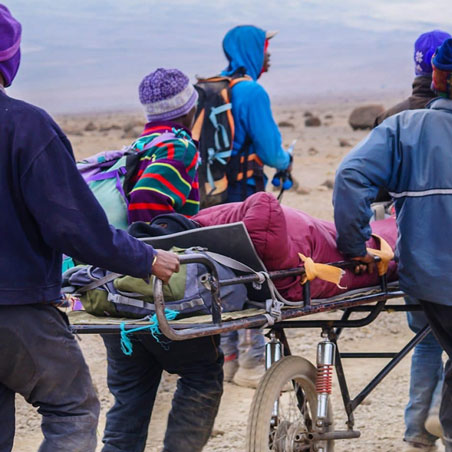
- International Medical Insurance must include Emergency Medical Evacuation (you are automatically enrolled in our Flying Doctors evacuation program, but your medical insurance company will need to reimburse the Flying Doctors organization afterwards)
- Accidental Death & Dismemberment
- Repatriation of Remains
Missed flight connections can be disastrous! In the USA, most hotel rooms can be canceled until 4pm on the day of arrival! Not so with safari lodges! Lodges and camps have 60-day cancellation penalties – if you cancel for whatever reason within 60 days of arrival you will lose 100% of your payment. There are no exceptions! If you are booked at a safari lodge and miss your international flight to arrive a day late, you will NOT GET A REFUND! Please consider buying trip insurance to cover your losses.
Our insurance partners are two of the very best in our industry and we highly recommend you purchase your insurance from them. Be VERY careful when buying insurance elsewhere – most do not have 24-hour emergency contacts, most will not cover you in countries under State Department warnings and most will outsource their insurance coverage to other providers (adding layers of complexity in emergencies).
At this point in time, all you need to do is cover the amount of your deposit(s). Contact your insurance carrier and increase the coverage amount as you make any further trip payments including when you pay your final trip balance 90 days prior to trip departure. VERY IMPORTANT: Many trip insurance carriers provide added benefits and may waive pre-existing health conditions when you purchase the insurance within 5 – 15 days of making your initial trip deposit. Check your carrier’s specific policy on this!
Frequently Asked Questions
Do I really need travel insurance to climb Mount Kilimanjaro?
Yes, travel insurance is strongly recommended and often required by reputable tour operators when climbing Mount Kilimanjaro. The mountain reaches high altitudes where conditions can change quickly, and medical emergencies are not uncommon. Insurance gives you peace of mind in case of altitude sickness, injury, or unexpected trip cancellations. It also protects your financial investment if your plans are disrupted. While it may feel like an extra cost, it’s one of the smartest decisions you can make for your safety.
What kind of insurance coverage should I look for?
You should choose a policy that specifically covers high, altitude trekking, ideally up to 6,000 meters. Make sure it includes emergency medical treatment, evacuation, and trip cancellation or interruption. Helicopter evacuation is especially important on Kilimanjaro, as it’s the fastest way to get help in serious situations. Some standard travel insurance plans don’t include trekking at high altitudes, so always read the fine print. A good policy should match the level of risk involved in your adventure.
Does insurance cover altitude sickness on Kilimanjaro?
Most comprehensive travel insurance policies will cover altitude sickness, but only if it’s not considered a pre, existing condition. Since altitude sickness is one of the most common issues on Kilimanjaro, it’s important your policy includes it. Treatment can involve descent, medication, or even evacuation, which can be expensive without coverage. Always confirm this with your provider before you travel. Knowing you’re covered allows you to focus more on the experience and less on the risks.
Is helicopter evacuation included in insurance plans?
Not all insurance policies include helicopter evacuation, so you must check this carefully. On Mount Kilimanjaro, evacuation by stretcher or helicopter may be necessary in serious cases. Helicopter rescues can cost thousands of dollars, making this coverage extremely important. Many climbers specifically choose insurance providers that guarantee emergency evacuation services. It’s better to be fully prepared than to face unexpected costs during an emergency.
Can I climb Kilimanjaro without insurance?
Technically, you can climb Kilimanjaro without insurance, but it’s not advisable. Most professional tour companies will require proof of insurance before allowing you to join a trek. Even if it’s not strictly enforced, going without coverage puts you at significant financial and personal risk. Accidents, illness, or delays can happen to anyone, regardless of experience. Having insurance ensures that you’re protected and supported throughout your journey.
Still have questions?
Our local safari experts are happy to help you plan the perfect African safari.