By Zoe R. Smith
It only takes five hours and twenty five minutes of walking in the pitch dark, in freezing cold temperatures, with nothing but the crunch of snow under your feet and the ever daunting shadow of a mountain above you, to drive you completely mental.
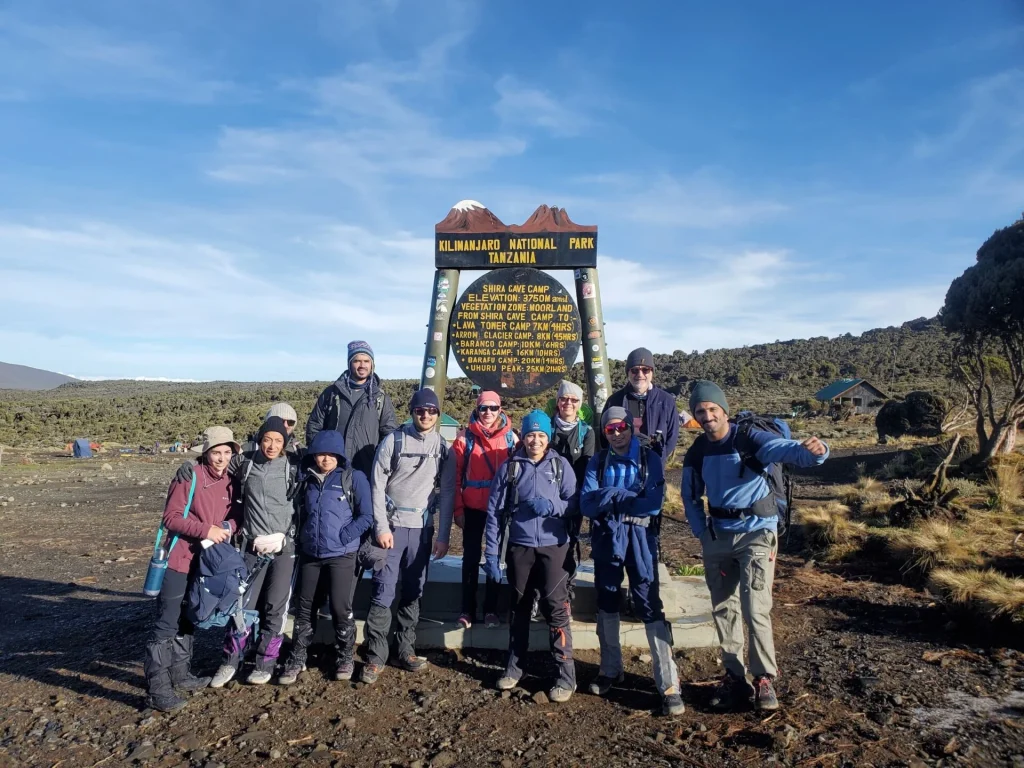
I was ready to turn around. I had spent seven days on that mountain through the most unfortunate of weather conditions. A truly draining experience that would have been downright excruciating if I didn’t have eleven entertaining adventurers and a game of cribbage to keep me sane after we finished our hikes every day. To give you a better idea of just how this whole experience rolled out, lets check out snippets from my journal entries for each of the days shall we….
Day 1, We learnt the meaning of “Pole Pole” which means slowly slowly in Kiswahili. This is common practice on the Kilimanjaro trek as it helps climbers adjust to the high altitude safely. Unfortunately, it’s no fun to go slowly slowly when it’s raining rather heavy heavy. Seriously, we started out walking as fast as an 80 year old, with arthritis, walking backward (props to Alex for the comparison).
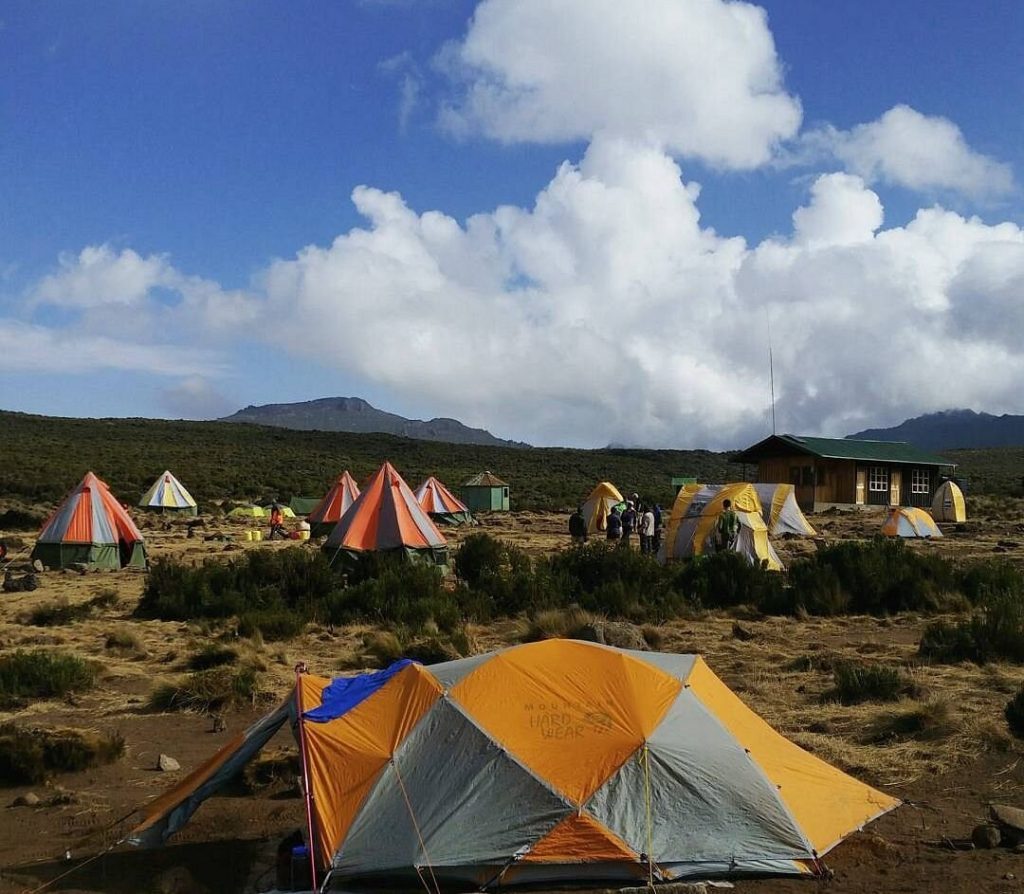
Day 2, We explored the Shira cathedral in the pouring rain. Who really wants to climb it in perfect weather anyway? We’re all here for a challenge. We can take it. Ponchos are also not to be underrated.
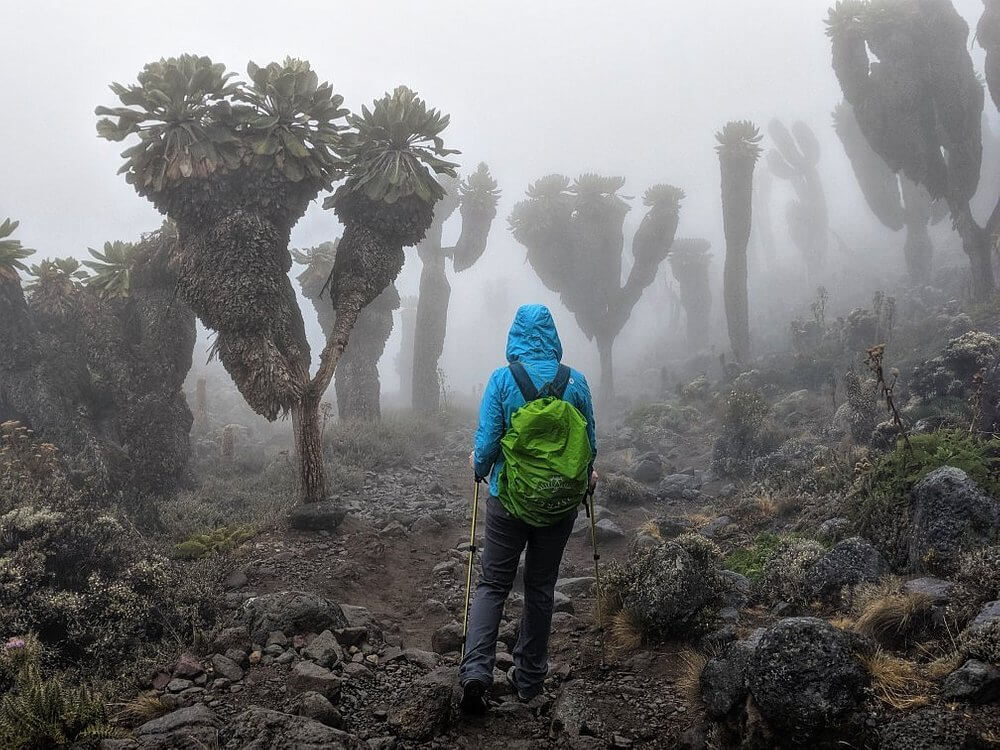
Day 3, It’s New Years Eve and we’re going to bed at 8pm. How thrilling. On the plus side, it’s the first New Years in ages that I don’t have to fuss about plans, a dress, or doing my hair. It was sunny out in the morning but rained all afternoon (shocker). Felt my first struggle with the altitude today while running to the washroom through the rain (a curtained off, glorified bucket). Can only get interesting from here right?
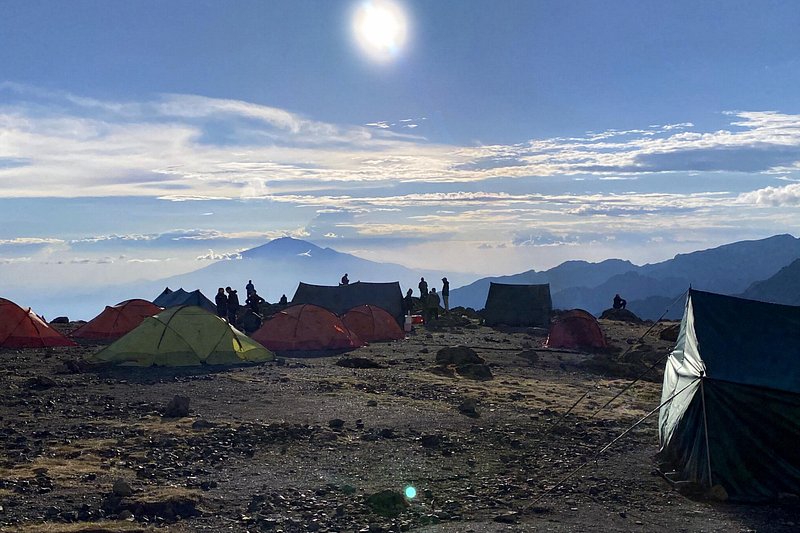
Day 4, Four mornings in a row waking up at 6am. This shouldn’t be legal. Got a less than stellar sleep over night. Went on the water too hard for New Year’s Eve celebrations and was up all night peeing. On the plus side, the mountain looks incredible at 2:30 in the morning. No clouds; just moonlight and a magnificently illuminated snowy mountain. I’ve never crouched down behind a rock with such a glorious looking backdrop before. This picture does it no justice whatsoever.
Day 5, The series of events which happened on this day was probably THEE least fun you could have while climbing a mountain. One of the longest days on our itinerary just so happened to correspond with the worst weather we had experienced on the trip (yes, it got worse). Throughout the hail/thunderstorm, thoughts of hypothermia were no stretch of the imagination. It was also a day of coming up with valuable advice that we would have given ourselves before we came. This list included:
- Gaitors, gaitors, gaitors! Ponchos, ponchos, ponchos!
- Don’t come on the cusp of rainy season. Global Warming really shook up Mother Nature this year and decided to give her a little more love than usual. We’re suffering because of it.
- Umbrellas would be nice (note: don’t use them in the middle of a thunder and lightning storm. This is a serious tip).
- Diamox is a good idea if you want to keep breathing
- You can never have enough hand sanitizer.
- Bring a deck of cards. With 12 people from all around the world, you’re bound to have a good time playing games and swapping stories. You might also set a few world records for card game accomplishments on Kilimanjaro.
- Bring Tums. It would only be if you had to face the unfortunate circumstances of not bringing Tums that you would truly understand the importance of such advice.

Day 6, We had one of our crew mates turn around today as he was showing clear signs of acute pulmonary edema; a challenge that most climbers fear as you cannot control how your body will react to the altitude. Saying goodbye to him as we trailed on was sad as he brought such great charisma to the group. (Afterthought: Fortunately, we met him after we finished the trek and he was doing much better) By the time we finished hiking for the day, the altitude was certainly hitting all of us. Between headaches, loss of appetite, and lightheadedness, the only thing you could do was stay in high spirits or succumb to misery the night before we were set to summit. We shared lots of lighthearted, nonsensical comments that day. All I could think of was the first few lines in Simon and Garfunkel’s “Feeling Groovy”.
“Slow down, you move too fast. You got to make the moment last. Just, kicking down the cobblestones. Looking for fun and feeling groovy.”
Now, I’m sure Simon and Garfunkel’s references were nothing close to the effects of high altitude while climbing one of the seven summits, but it certainly became relevant by this day.
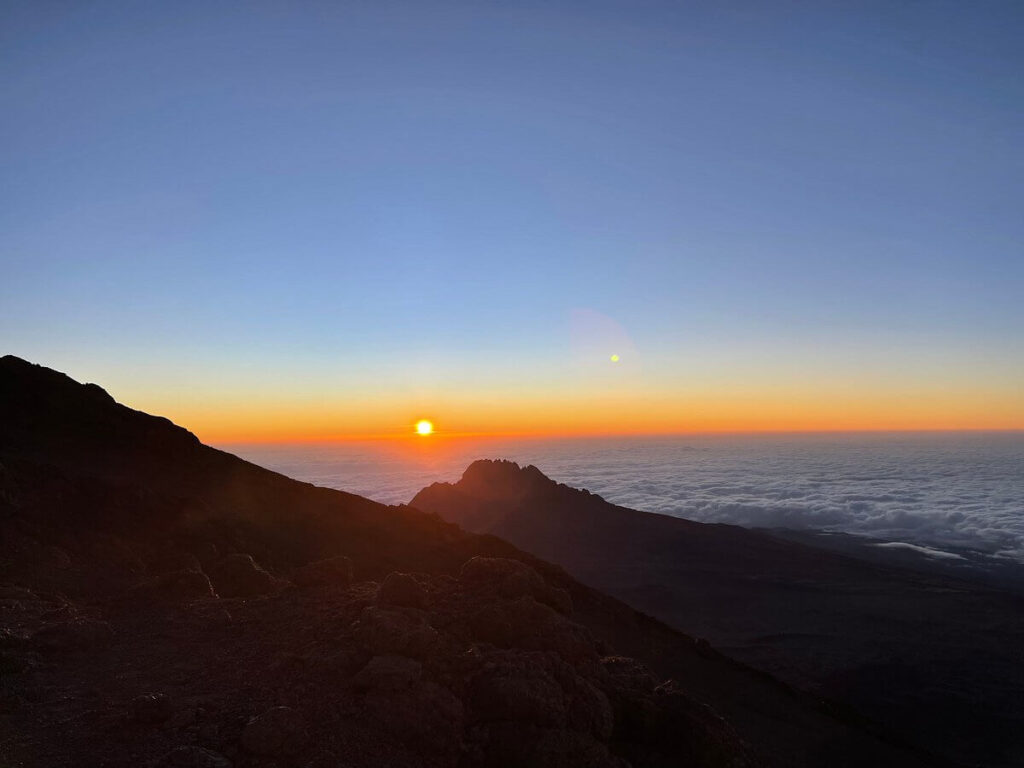
Day 7, we woke up early (11pm on Day 6 to be exact) and were off and climbing shortly after midnight in hopes of summiting at sunrise. After 6.5 hours of quiet, slow hiking up the final steep slopes of the mountain we made it to Stella’s Point. I’ve seen some breathtaking sunrises but there’s certainly no comparison to the sunrise I witnessed while standing on top of the world that day. It was undeniably one of mother nature’s best kept secrets, conjuring up emotional responses in you that you didn’t know you could conjure up! I could probably relate it to being as impacting as hearing a significant other say “I love you” to you for the first time – assuming you were in love with them in return, as I suppose if you weren’t it wouldn’t be as heartwarming.
After a quick cup of tea at Stella’s Point we pursued onward to make the two hour round trip to Uhuru Peak (5,895m). At this point we were fueled completely by adrenaline and excitement. Besides standing on top of the world, this was also thee clearest day we had experienced thus far. The last hour of trekking before reaching Stella’s Point, I remember thinking that I wouldn’t be able to last very long at the top before needing to descent because my lungs just didn’t have it in them. Oddly enough, I didn’t feel any of that by the time we reached the summit. In fact I didn’t feel much of anything physically at that point. My body was just going through the motions of putting one foot in front of the other while the rest of my body was slowing becoming numb to the cold but my brain didn’t register a care in the world because I had views like this….
Finally getting to the top of the mountain was an incredible feeling but our time spent up there has become a bit of a blur. We were high off endorphin’s and I remember feeling completely content in that space but that’s as descriptive as I can be at this moment. I hadn’t felt something like that since Chamonix (in hindsight, perhaps my key to happiness is standing on top of mountains with spectacular views).
Descending proved to be more of an obstacle than expected. With a steep incline and loose rock covered by portions of snow, we had two options : tred down carefully and put your feet through the trauma of your toes hitting the front of your boots for 4 hours OR take the opportunity to give skiing in boots a go and glide down that mountain. I did a bit of both. Gliding might not be the best word for it as I didn’t feel all that graceful. We all had a fair share of falls but at that point we couldn’t be bothered with any emotion other than estatic.
Afterthoughts
And now, the experience has come to an end, we’ve all returned to our respective countries, and exchanged a couple emails. Twelve people who were complete strangers on Day 1 now share an irrevocable bond of friendship and accomplishment. We all share what feels like a secret understanding of what it was like to take on Kilimanjaro, even though its becoming much less of a secret as years go on and people look to adventure travel more often than leisure.
I am no vagabond but I certainly feel privileged to have seen the amount of places that I have in twenty two years. That being said, it comes without a second thought….
This experience surpasses them all.
Frequently Asked Questions
What does it feel like after reaching the summit of Mount Kilimanjaro?
Reaching the summit is an emotional mix of pride, relief, and disbelief. After days of trekking, the moment feels almost surreal. But once it’s over, many climbers are surprised by how quickly it all sinks in. There’s a quiet satisfaction rather than a loud celebration. It’s a memory that stays with you long after you’ve left the mountain.
How does your body react after the climb is finished?
Your body often feels exhausted, even if your mind is still buzzing from the achievement. Sore muscles, fatigue, and sometimes mild headaches are common after the descent. You may also notice how much you appreciate simple comforts like a warm shower or a soft bed. Recovery takes time, especially after pushing your limits at high altitude. Rest, hydration, and good food become your best friends.
Do people experience a sense of emptiness after the climb?
Yes, some climbers feel a bit of a “what now?” moment once it’s all over. You spend so much time preparing and focusing on the goal that its completion can feel strange. The routine, the challenge, and even the struggle suddenly disappear. It’s a natural emotional dip that many adventurers experience. Over time, it turns into reflection and a deeper appreciation of the journey.
What lasting lessons do people take from the experience?
Climbing Kilimanjaro teaches patience, resilience, and the power of persistence. You learn that slow, steady progress really does lead to big achievements. Many people come back with a stronger belief in themselves. It also changes how you view challenges in everyday life. Once you’ve climbed a mountain, other obstacles can feel a little more manageable.
How can someone keep the spirit of the climb alive afterward?
Keeping the spirit alive often means staying active and setting new goals. Some people plan another adventure, while others focus on personal growth inspired by the climb. Sharing stories and photos can also help keep the experience fresh. It’s about carrying that sense of determination into everyday life. In the end, the mountain may be behind you, but its impact continues forward.
Still have questions?
Our local safari experts are happy to help you plan the perfect African safari.