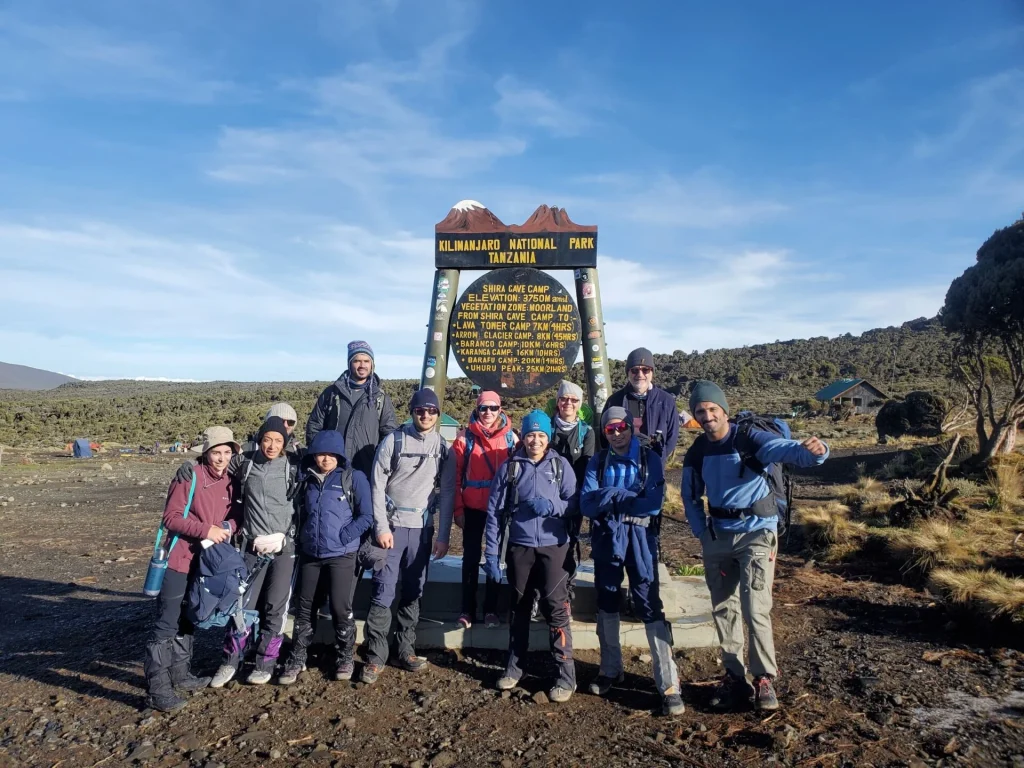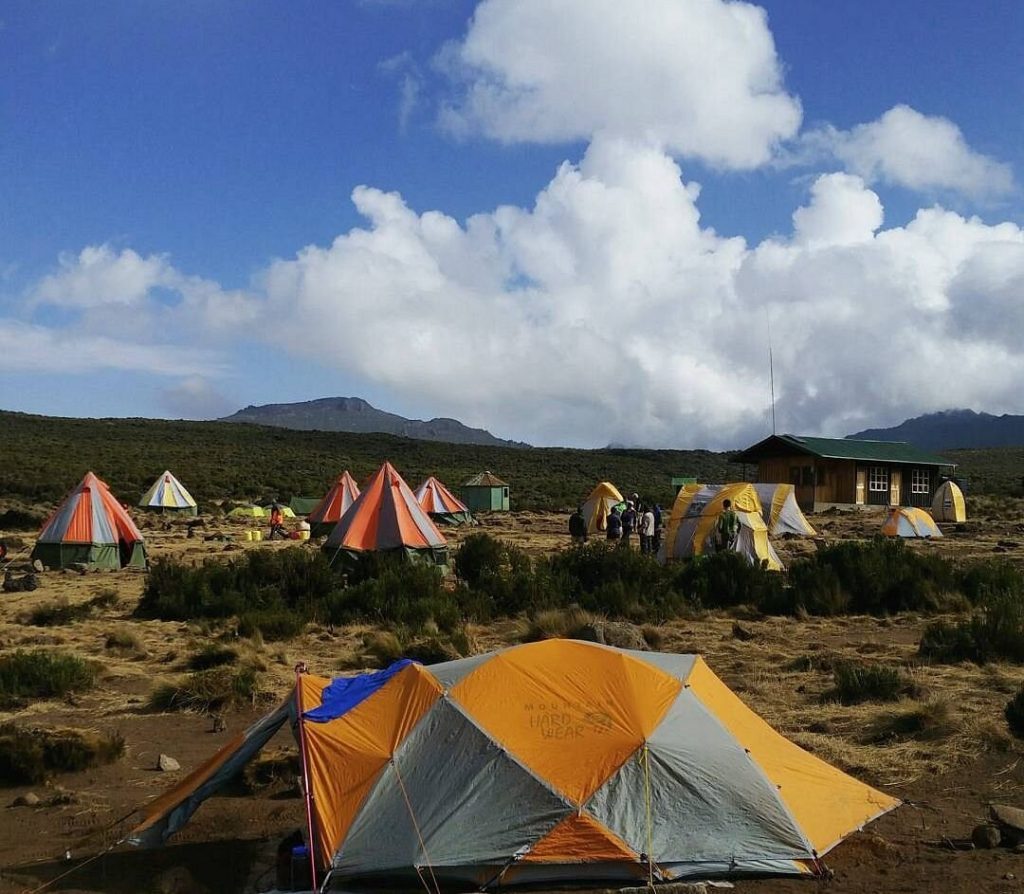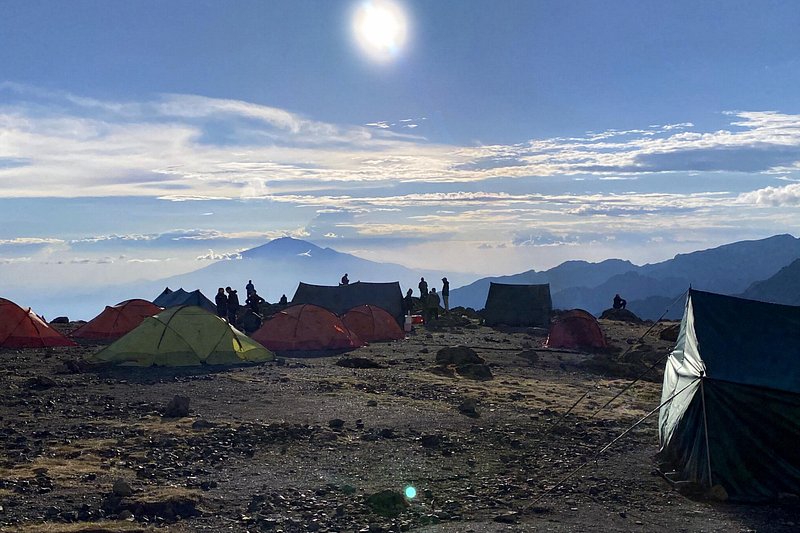
Hiking on Mt. Kilimanjaro The additional feature on Kilimanjaro wherever trekking skill comes in extremely helpful is the camping. Most people loves to and used to it, like sleeping and rest in tents, like assembly achieve with negligible amenities, they never ever mind it. The majority of us feel affection for it. We snooze better on solid ground in a tent or an irregular mountain slope than we usually do at home in our bedroom. Much better. In any condition you are not used to it, you might be not be asleep accordingly well.
Hiking on Kilimanjaro is actually difficult in addition to you require to obtain that better sleep. Not receiving sufficient intended for four nights in a row is not going away to help out you throughout your summit effort. If you desire to go hiking on Mount Kilimanjaro, in addition to if you have no earlier mountaineering as well as camping knowledge by any means, never hopelessness. Thousands of people begin their Mount Kilimanjaro hike without any knowledge or experience whatsoever, and many of them still reach the summit.
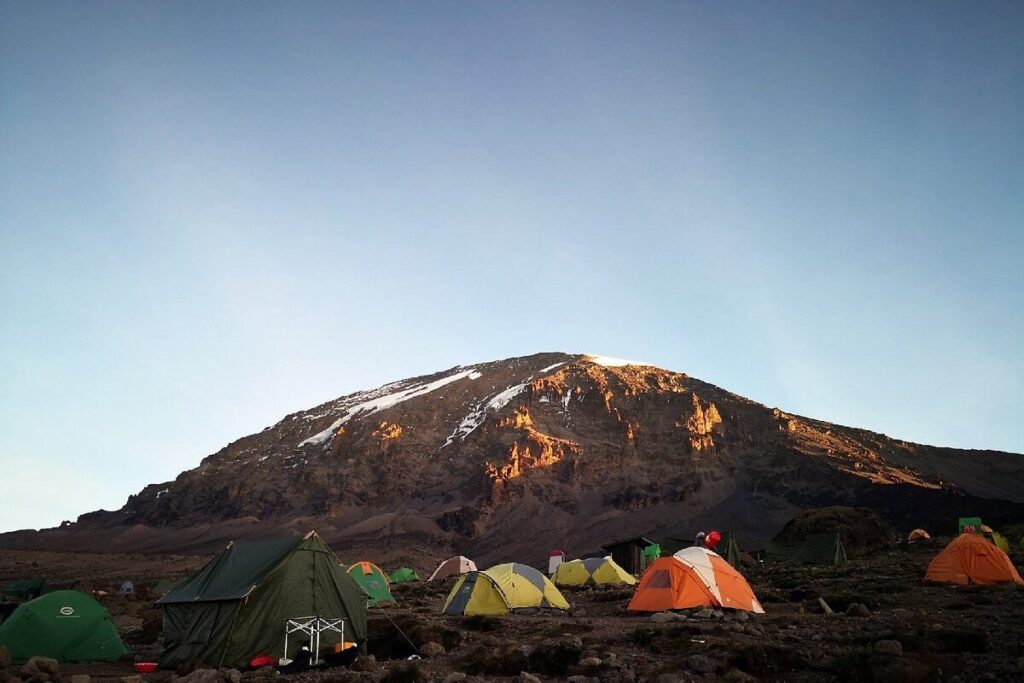
Other than here is no hesitation that you will be at a drawback compared to other people who are used to mountaineering for long time. Condition, you do not like that thought, go camping. As a minimum go mountaineering in so far as likely in the time leading up to your Kilimanjaro trek.
Never be anxious concerning the gym workouts along with obtains some iron man strength levels… That is complete nonsense. Very soon obtain used to walking uphill and climbing, for hours at that occasion, at that stable speed where you do not still become aware of you are in fact exercising. As we talk about Kilimanjaro guidance: If you can be able to walk in mountainous country for 5-9 hours in a day, along with after that get up as well as do it once more the next day, in addition to afterward return to the office on Monday feeling very well, then you are extra than healthy adequate to go trekking on Kilimanjaro.
If you would like more information, or have any questions, please contact us or call Kilimanjaro ASAP on +255788 519851
Frequently Asked Questions
Is camping allowed on Mount Kilimanjaro?
Yes, camping is the primary way to experience Kilimanjaro. The mountain doesn’t have hotels or lodges along the trekking routes, so climbers sleep in tents provided by tour operators. Each route has designated campsites where camping is permitted. Staying at these campsites helps protect the environment and ensures your safety. Camping also gives you a chance to enjoy the stunning scenery at different altitudes.
What are the camping facilities like?
The campsites on Kilimanjaro are basic but comfortable enough for trekkers. Most campsites have flat areas to pitch tents, portable toilets, and access to fresh water for washing. Your trekking company usually provides sleeping tents, dining tents, and sometimes even small chairs or mats. While there’s no luxury, the focus is on safety, warmth, and shelter from wind and cold. It’s an adventure, so you’ll experience the mountain closely, under the stars.
Do I need to bring my own tent?
No, you generally don’t need to bring your own tent. Reputable tour operators provide high, quality sleeping tents and dining tents for the entire trek. You may, however, want to bring a lightweight personal tent if you prefer extra privacy. Most climbers focus on bringing their own sleeping bag, warm layers, and essentials rather than the tent itself. This makes the climb easier and less burdensome.
Can camping be uncomfortable?
Camping on Kilimanjaro can be challenging, especially at higher altitudes. Nights get extremely cold, sometimes dropping below freezing, and tents can be windy. Sleeping on a thin mattress or mat might be different from what you’re used to. However, with a good sleeping bag, proper clothing, and guidance from your trekking team, most climbers manage well. The discomfort is temporary, and the views make it worthwhile.
Is camping better than staying in lodges?
Since there are no lodges along the main routes, camping is the only practical option for most trekkers. Camping lets you experience the mountain in a more immersive way, from sunrise to sunset. It also allows guides to help with acclimatization, as you can camp at various altitudes each night. While it’s more rustic than a lodge, it’s part of the adventure and a unique way to connect with nature. For many climbers, camping is a highlight of the Kilimanjaro journey.
Still have questions?
Our local safari experts are happy to help you plan the perfect African safari.