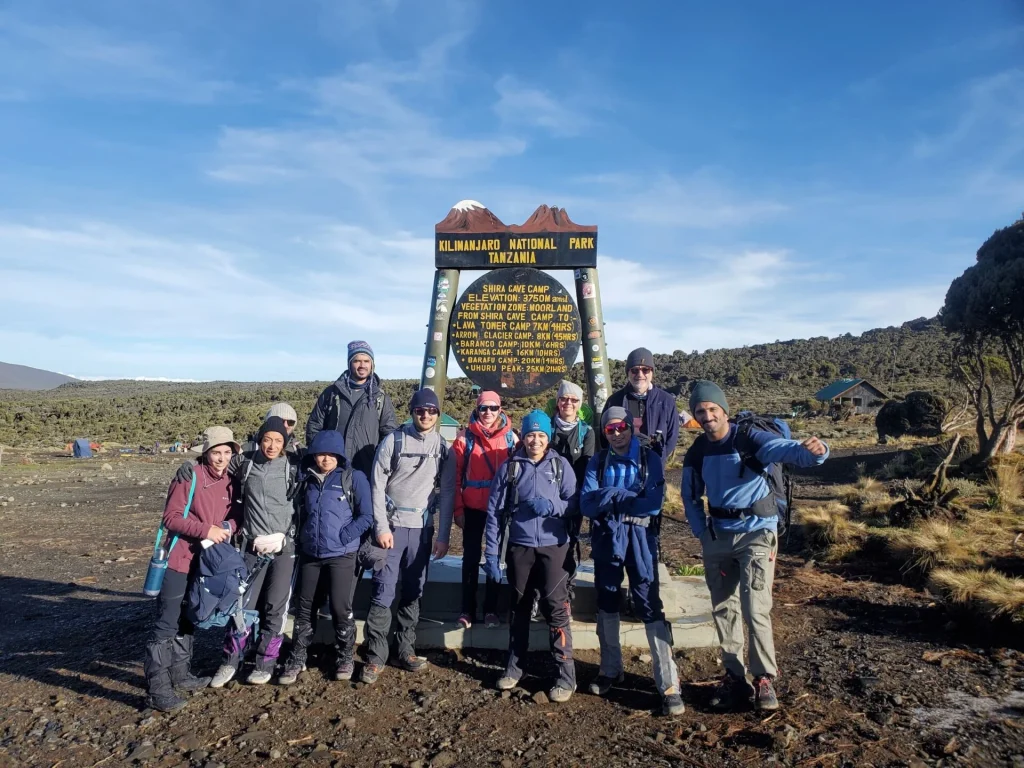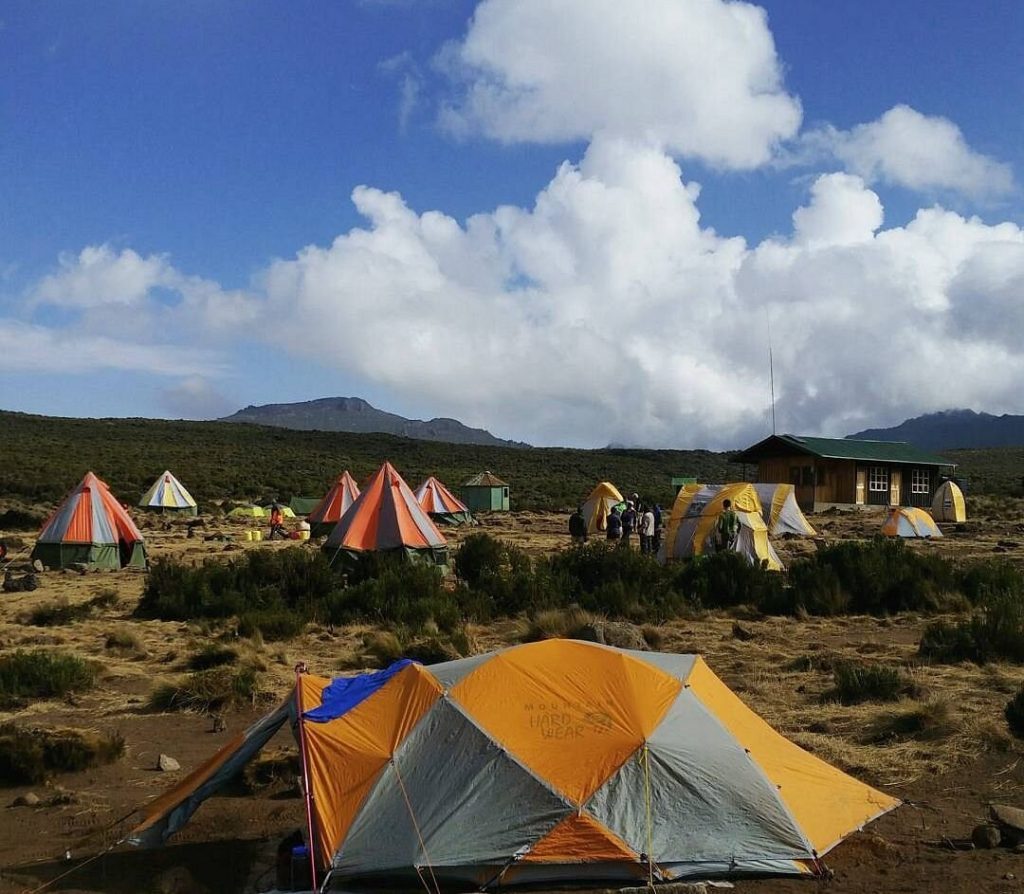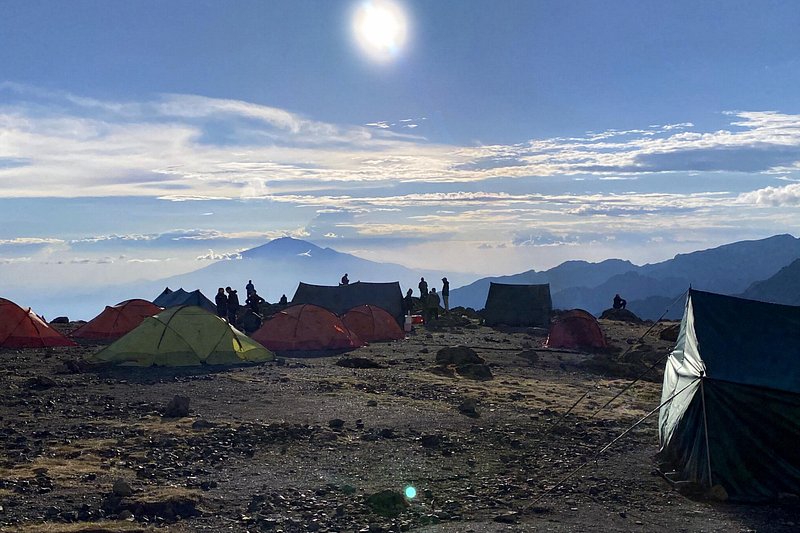
Seasonal Forecasting for Kilimanjaro can be difficult. However, unlike mountains such as Mount Everest and K2, Mount Kilimanjaro can be climbed virtually any time of the year. Rainy days during most months are few and far between, making Conditions, in general, more than adequate for climbing. Certain months of the year are however nevertheless definitely better climbing months than others.
January, February and September have been voted ‘peak’ months to climb the mountain, with July, August, November and December are all coming in a close second. January and February generally consist of sunny skies and balmy temperatures, making them ideal for climbing.
March to mid June is officially the rainy season around Kili. The combination of warm temperatures and moisture cause clouds and haze to enfold most of the mountain, making visibility particularly bad. Snow falls and rain make the ground slippery and hazardous, rendering climbing conditions less than ideal to say the least. Late June to early August sees a drop in precipitation and temperatures where crisp, clear evenings become the norm. If you can stand the cold, climbing conditions are ideal due to lack of cloud cover on the mountain.
August to September is still sunny and cool, although on most days a cushion of cloud will be seen balancing above the treetops of the rainforest. The apex however remains cloudless, and those climbers successful enough to reach the summit of the Shining Mountain will be greeted by the sight of a never ending blanket of white, pierced only occasionally by the lonely peaks of the humbler mountains below.
During the shorter rainy season from October to December, the surface of the mountain is once again decorated by raindrops, although this time around seasonal rain occurs in the form of thunder storms rather than never ending showers. Generally the storms gather during the daylight hours and then dissipate into nothing by the time the sun disappears over the horizon, leaving the evenings cloudless with amazing visibility of the countryside below.
When Planning your climb, it is important to keep in mind the fact that no matter what time of year it may be or how much advice you have been given, the weather on Kilimanjaro is as unpredictable as it gets, and rain, snow and ice can wreak havoc on the mountain at any time. It may also be worth your while to consider the phases of the moon when planning your trip. Due to the fact that virtually all summit attempts begin at midnight, it may be worth your while to plan your trip so that the final leg of your climb falls during the phase of the full moon.
Frequently Asked Questions
When is the best time of year to hike Mount Kilimanjaro?
The best time to hike Mount Kilimanjaro is usually during the dry seasons, which run from January to March and from June to October. During these months, the weather is more stable, with clearer skies and less rainfall. This makes the trails safer and the views much more rewarding. January to March tends to be quieter and slightly colder, while June to October is busier but offers excellent conditions. Choosing between them often comes down to whether you prefer fewer crowds or slightly warmer temperatures.
What is the weather like on Kilimanjaro throughout the year?
The weather on Mount Kilimanjaro changes a lot depending on the altitude and the time of year. At the base, it can feel warm and tropical, while the summit is extremely cold and windy. The mountain experiences two main rainy seasons, one from March to May and another in November. During these wet months, trails can become muddy and visibility is often poor. In contrast, the dry seasons bring more predictable weather, making trekking much more comfortable.
Can you hike Kilimanjaro during the rainy season?
Yes, you can hike Kilimanjaro during the rainy season, but it comes with some challenges. Heavy rains can make the trails slippery and increase the difficulty of the climb. Clouds and mist may block the scenic views that many trekkers hope to enjoy. However, the mountain is much quieter during this time, which some hikers prefer. If you choose to go during the rainy months, proper gear and preparation become even more important.
How does seasonal forecasting help in planning a Kilimanjaro trek?
Seasonal forecasting helps trekkers choose the best window for their climb by predicting weather patterns in advance. It gives you a better idea of expected rainfall, temperature changes, and wind conditions. This information can help you pack the right gear and mentally prepare for the journey. While forecasts are not always perfect, they can reduce the chances of being caught off guard. Many trekking companies use these forecasts to recommend the safest and most enjoyable dates.
Does the time of year affect success rates on Kilimanjaro?
Yes, the time of year can have an impact on your chances of reaching the summit. Better weather conditions during the dry seasons generally make the trek easier and more enjoyable. Clear skies and stable conditions can also boost morale, which is important on a challenging climb. On the other hand, harsh weather during the rainy season can make the trek more physically and mentally demanding. Choosing the right season can make a big difference in both your experience and your success rate.
Still have questions?
Our local safari experts are happy to help you plan the perfect African safari.