Table of Contents
fact about high Alpine Climbing Myth the higher the altitude ,the less Oxygen
The fact is that the oxygen content of the atmosphere remains exactly the same from sea level to about 12 miles (20 km) above the Earth. The oxygen content is constant at 21%. The problem is that the higher you go, the less air pressure there is and less oxygen enters the bloodstream with each breath. Therefore, one needs to breathe faster to maintain adequate levels of oxygen in the blood. (See “What Causes Altitude Sickness” below)
What defines high altitude?
(8,000 – 12,000 feet [2,438 – 3,658 m] ) Altitude is defined on the following scale: Very High (12,000 – 18,000 feet [3,658 – 5,487 m]) and an Extreme Altitude (18,000+ feet [5,500+ m]). Because few people are exposed to such altitudes, it is difficult to know who might be affected. There are no specific factors such as age, gender or physical condition that correlate with susceptibility to altitude sickness. Some people get it and some people don’t. Most people can climb up to 8,000 feet (2,438 meters) with minimal effect. If you haven’t been to such high altitudes before, it’s important to be careful. If you have had no problems at this altitude before, you can probably climb to this altitude again without any problems as long as you acclimatise properly.
What are the causes of altitude sickness
The oxygen concentration at sea level is about 21% and the air pressure averages 760 mmHg. As altitude increases, the concentration remains the same, but the number of oxygen molecules per breath is reduced. At 12,000 feet (3,658 meters) the air pressure is only at 483 mmHg, so there are around 40% fewer oxygen molecules per breath to properly increase the oxygen in the body, your breathing (even at rest). This additional ventilation increases oxygen levels in the blood, but not to sea level concentrations. Since the same amount of oxygen is required for the activity, the body has to adapt to survive on less oxygen. In addition, high altitude and low air pressure mean that fluid can leak from the capillaries, both in the lungs and in the brain. Continuing to higher elevations without proper acclimatization can result in potentially serious, even life-threatening illness.
Acclimatization
The main cause of altitude sickness is going too high too quickly. Over time, your body can adapt to the decrease in oxygen molecules at a certain altitude. This process is called acclimatization and generally takes 1-3 days at this altitude. For example, you hike up to 10,000 feet (3,048 meters) and spend several days at that altitude, then your body acclimatizes to 10,000 feet (3,048 meters). As you climb to 12,000 feet (3,658 meters), your body will acclimatize once again. A series of changes in the body so that the organs operate with reduced oxygen:
– The depth of breathing is increased.
– Pressure in the pulmonary arteries, which increases, “forces” blood into parts of the lungs not normally used for breathing during sea level.
– The body produces more red blood cells to carry oxygen
– The body produces more carbonic anhydrase, the enzyme that facilitates the release of oxygen from hemoglobin in the body’s tissues.
Prevention of diseases at high altitudes
Prevention of altitude sickness falls into two categories, proper acclimatization and preventive medication. Below are a few basic guidelines for proper acclimatization:
- If possible, do not fly or drive to take off at high altitude. Start below 10,000 feet (3,048 meters) and go.
- If you are flying or driving, do not overexert yourself for the first 24 hours.
- If you go from above 10,000 feet (3,048 meters), only increase your altitude by 1,000 feet (305 meters) per day and for every 3,000 feet (915 meters) of elevation gained, allow for one rest day.
- “Rise high and sleep low.” This is the maxim used by climbers. You can climb more than 1,000 feet (305 meters) in a day for as long as you come back down and then sleep at a lower altitude.
- If you have symptoms of moderate altitude sickness, do not climb higher until symptoms begin to subside (“do not climb until symptoms subside”).
- If symptoms increase, go down, down, down!
- Remember that different people acclimatize at different rates. Make sure your entire group is properly acclimatized before acclimatizing higher.
- Stay properly hydrated. So you need to drink plenty of fluids, at least 3-4 liters per day. Urine output should be plentiful and clear.
- Take it easy, don’t overexert yourself when initially climbing to the height. Light activity during the day is better than sleeping because breathing decreases during sleep, which exacerbates symptoms.
- Avoid tobacco and alcohol and other drugs including sedatives, barbiturates, tranquilizers and sleeping pills. These depressants cause a further decline in respiratory drive during sleep, leading to worsening symptoms.
- Maintain a high-carbohydrate diet (more than 70% of calories from carbohydrates) during altitude.
- The acclimatization process is inhibited by dehydration, overexertion, alcohol and other sedating drugs.
Preventive medications
- Diamox (acetazolamide) allows you to breathe faster so you metabolize more oxygen. It thereby minimizes the symptoms caused by poor oxygen supply. This is particularly helpful at night when respiratory drive is reduced. Since Diamox takes a while to work, it is advisable to start taking it 24 hours before going to altitude and continue taking it at higher altitudes for at least five days. The Himalayan Rescue Association Medical Clinic recommendation is 125 mg twice daily (morning and afternoon). (The standard dose was 250 mg, but research showed no difference for most people with a lower dose, although some individuals require 250 mg.) Possible side effects include lip and fingertip tingling, blurred vision, and change in sense of taste. These side effects can be reduced with the 125 mg. Side effects subside immediately when the drug is stopped. Contact your doctor for a prescription. Diamox is a sulfonamide. People who are allergic to sulfa should not take Diamox. Diamox can cause serious allergic reactions. SOLO’s Frank Hubbell recommends testing the medication before using it on a trip.
- Dexamethasone is a prescription steroid that reduces brain swelling and other swelling. The dosage is usually 4 mg twice daily for a few days starting with the climb. This prevents most symptoms of altitude sickness. It should be used with caution and only on the advice of a doctor due to possible serious side effects. It can be combined with Diamox. No other medications have proven to be so valuable for AMS prevention.
Acute Altitude Sickness (AMS)
AMS is common at high altitudes. At altitudes above 10,000 feet (3,048 meters), but 75% of people have only mild symptoms. The occurrence of AMS depends on the altitude, the speed of ascent, and individual sensitivity. Many people will experience mild AMS during the acclimatization process. Symptoms typically begin 12-24 hours after arrival at altitude and begin to decrease in severity beyond the third day. Symptoms of the mild form of AMS include headache, dizziness, fatigue, shortness of breath, loss of appetite, nausea, difficulty sleeping, and a general feeling of being unwell.
Symptoms are worse at night and when respiratory drive is reduced. Mild AMS will typically resolve within 2-4 days with normal activity and symptoms as the body acclimatizes. As long as the symptoms are mild and just a nuisance, the climb can continue at a moderate pace. When hiking, it is important that you communicate any symptoms of the disease immediately to other people in the group. AMS is considered a neurological problem to be caused by changes in the central nervous system.
Frequently Asked Questions
What is the height of Mount Kilimanjaro?
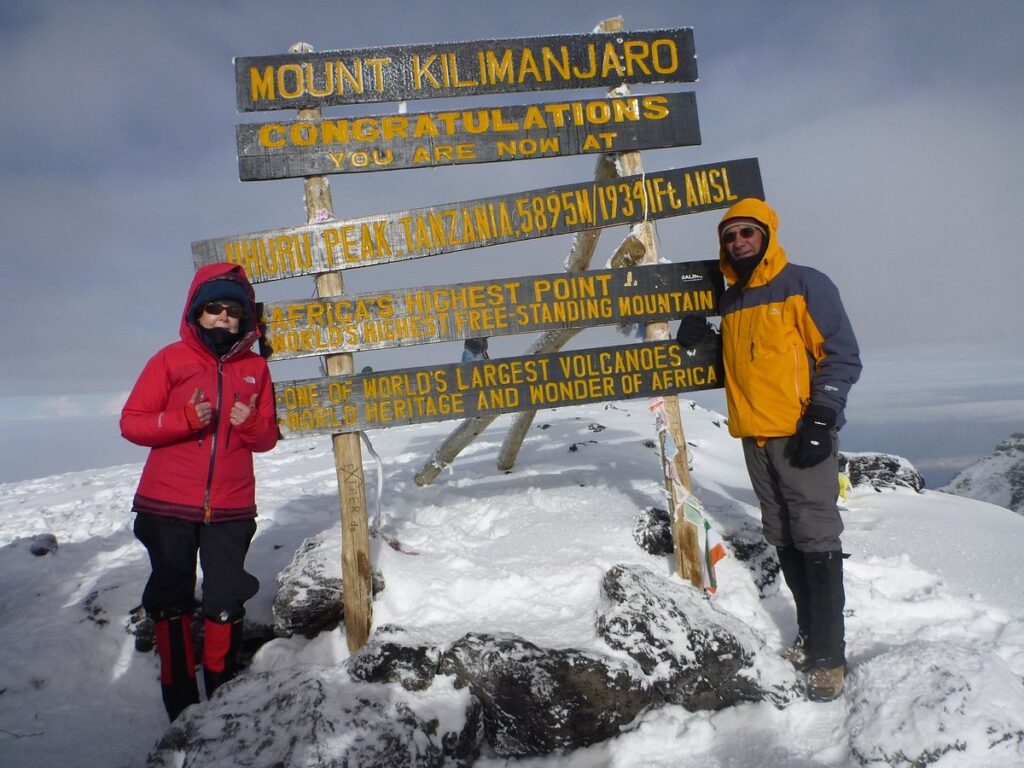
Mount Kilimanjaro is the tallest mountain in Africa, with its summit, Uhuru Peak, reaching 5,895 meters (19,341 feet) above sea level. This makes it a challenging climb despite being non, technical. The height attracts trekkers from around the world, many of whom want to stand on the “roof of Africa.” Reaching this altitude requires careful preparation and gradual ascent to avoid altitude sickness. It’s an impressive and awe, inspiring goal for any adventurer.
How much altitude do trekkers gain during the climb?
The total altitude gain depends on the route chosen, but climbers usually start at around 1,800 to 2,700 meters. By the time you reach Uhuru Peak at 5,895 meters, you gain roughly 3,000 meters in altitude over several days. This gradual increase allows your body to acclimatize. Some longer routes, like Lemosho or Northern Circuit, spread the gain over more days for better adaptation. Shorter routes achieve the same gain in less time but are often more challenging for the body.
Why is altitude gain a challenge on Kilimanjaro?
Altitude gain is challenging because the air gets thinner as you climb, meaning less oxygen is available. This can lead to altitude sickness, causing headaches, nausea, or fatigue. Your body must adjust slowly, which is why a gradual climb and proper acclimatization days are essential. Rapid ascents increase the risk of severe symptoms. Understanding the altitude gain helps you plan your trek safely and enjoy the experience more.
How do trekking routes affect height and altitude gain?
Different routes on Mount Kilimanjaro affect how you experience altitude gain. Longer routes like Lemosho or Northern Circuit spread the ascent over 7, 9 days, making the climb gentler. Shorter routes like Marangu or Machame may gain the same altitude in fewer days, which can be more physically demanding. The choice of route also impacts your chances of reaching the summit comfortably. Planning according to your fitness and acclimatization needs is key.
How can climbers manage the effects of high altitude?
Managing high altitude involves pacing yourself, staying hydrated, and following the “pole pole” (slowly, slowly) principle. Taking rest days and ascending gradually allows your body to adapt. Some climbers also use altitude medications after consulting a doctor. Listening to your body and communicating any symptoms with guides is crucial. With proper planning, you can enjoy the climb while minimizing the effects of the altitude gain.
Still have questions?
Our local safari experts are happy to help you plan the perfect African safari.