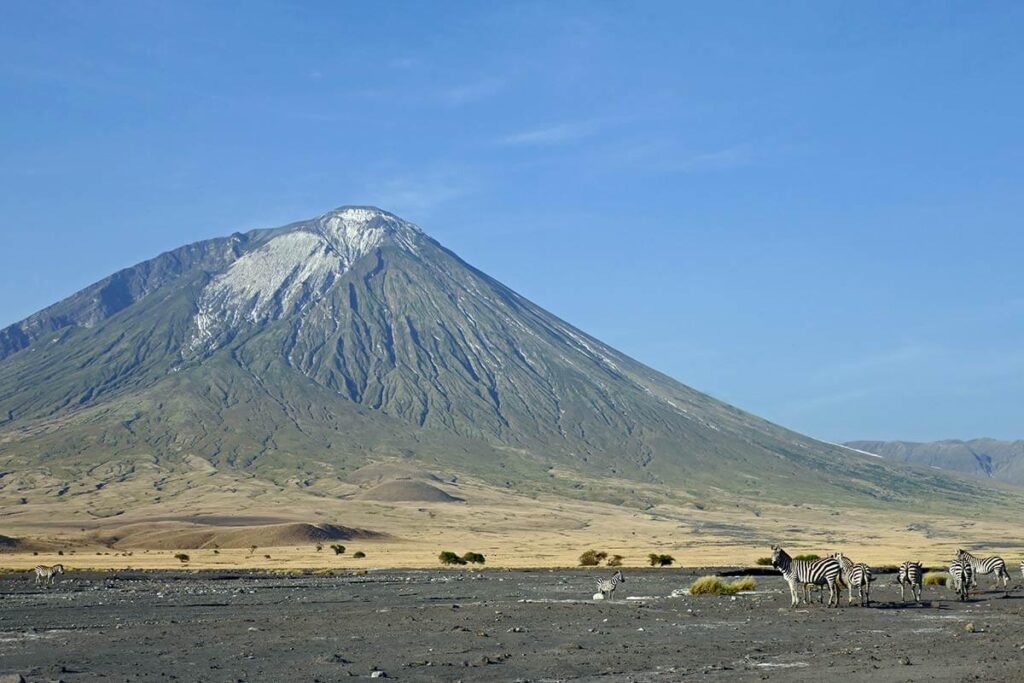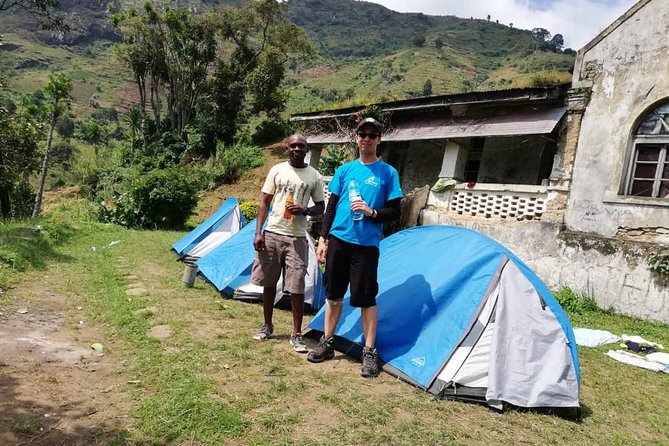
Historically, the Pare people were the main producers of highly demanded iron for the mountain regions of north-eastern Tanzania. The Chaga were among their consumers. The Pare were also known as rainmakers. The Pare Mountains are an attractive place for hiking and bird-watching. Bird species in the Pare Mountains include: the endemic South Pare White-eye, Mountain Buzzard, Olive Woodpecker, Moustached Green-tinkerbird and the African Hill Babbler. The North Pares are drier and biologically less diverse than the South Pares though this may be because they have been less surveyed.
Frequently Asked Questions
Where are the Pare Mountains located?
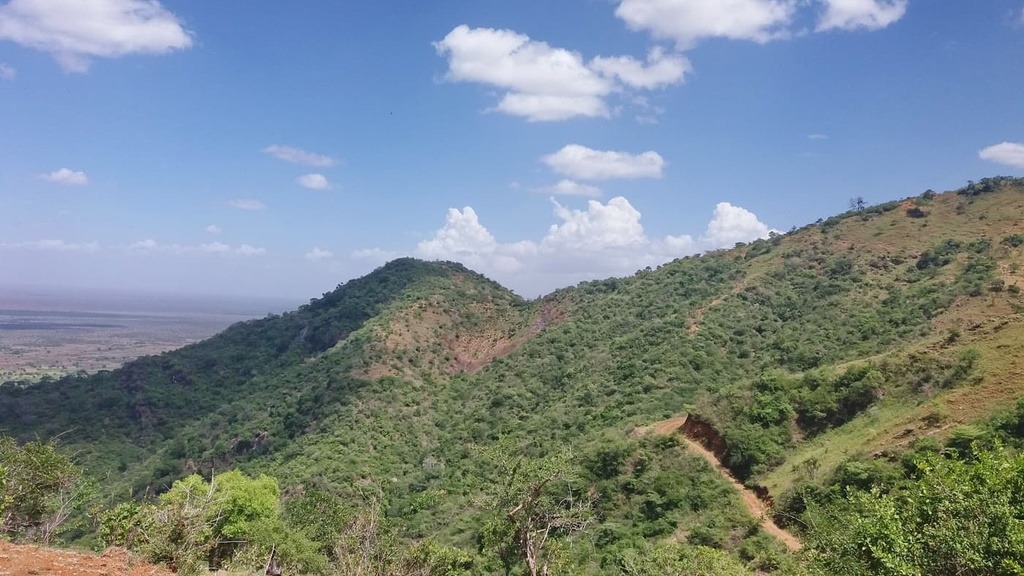
The Pare Mountains are located in northern Tanzania, near the town of Moshi and close to Mount Kilimanjaro. They are part of the Eastern Arc Mountains, known for their rich biodiversity and scenic landscapes. Rising from lush green plains, they offer panoramic views of the surrounding area. Their accessible location makes them ideal for travelers seeking nature and culture without the crowds of Kilimanjaro. Hiking here combines adventure, nature, and local cultural experiences in one trek.
What is the hiking experience like in the Pare Mountains?
Hiking in the Pare Mountains is moderate and suitable for beginners and experienced trekkers. Trails pass through forests, rolling hills, and small valleys, creating a peaceful yet adventurous journey. Hikers often encounter local villages where communities share traditions and daily life. Wildlife, including birds and small mammals, adds excitement to the trek. Overall, it’s an immersive experience blending nature, culture, and scenic beauty.
How long does a typical Pare Mountains trek take?
Treks in the Pare Mountains can last from a single day to several days depending on the route. Short trails are ideal for day hikes, while longer routes allow for overnight stays in local villages or camping. Multi, day hikes provide time to explore deeper areas and enjoy sunrise and sunset views. Regardless of duration, all treks offer stunning landscapes and cultural encounters. It’s flexible enough to fit different schedules and skill levels.
What should I bring for hiking in the Pare Mountains?
Hikers should bring comfortable shoes, a daypack with water and snacks, and lightweight layered clothing. A rain jacket, hat, and sunscreen are important for changing weather conditions. For multi, day treks, consider camping gear or plan accommodations in local villages. Proper preparation ensures a safe and enjoyable experience. Having the right gear makes the trek much more comfortable and rewarding.
Why choose the Pare Mountains over other trekking destinations in Tanzania?
The Pare Mountains offer a quieter and more intimate trekking experience than busier destinations like Kilimanjaro. Trails combine scenic landscapes, wildlife, and cultural encounters with local communities. They are moderate in difficulty, suitable for a wide range of fitness levels. Fewer crowds allow for a peaceful and personal adventure. For travelers seeking both nature and culture in a relaxed setting, the Pare Mountains are an excellent choice.
Still have questions?
Our local safari experts are happy to help you plan the perfect African safari.