Table of Contents
An almost perfectly shaped volcano which rises sheer from the plains, Mt. Kilimanjaro is one of the African continent’s most magnificent sights. Snowcapped and not yet extinct, at 5895 metres it is the highest peak in Africa.
From cultivated farmland on the lower levels, it rises through lush rainforest onto the alpine meadow and finally across a barren lunar landscape to the summit, Mt Kilimanjaro is truly the best African Adventure. It is a traveller’s dream to scale the summit, watch the dawn break and gazes out over vast expanses to East Africa bushland. Who would come to East Africa and not climb Kilimanjaro? Certainly not many, View our popular Kilimanjaro Route below or go straight to our Tours for best Kilimanjaro Tours Offer or Contact us.
Machame Route:
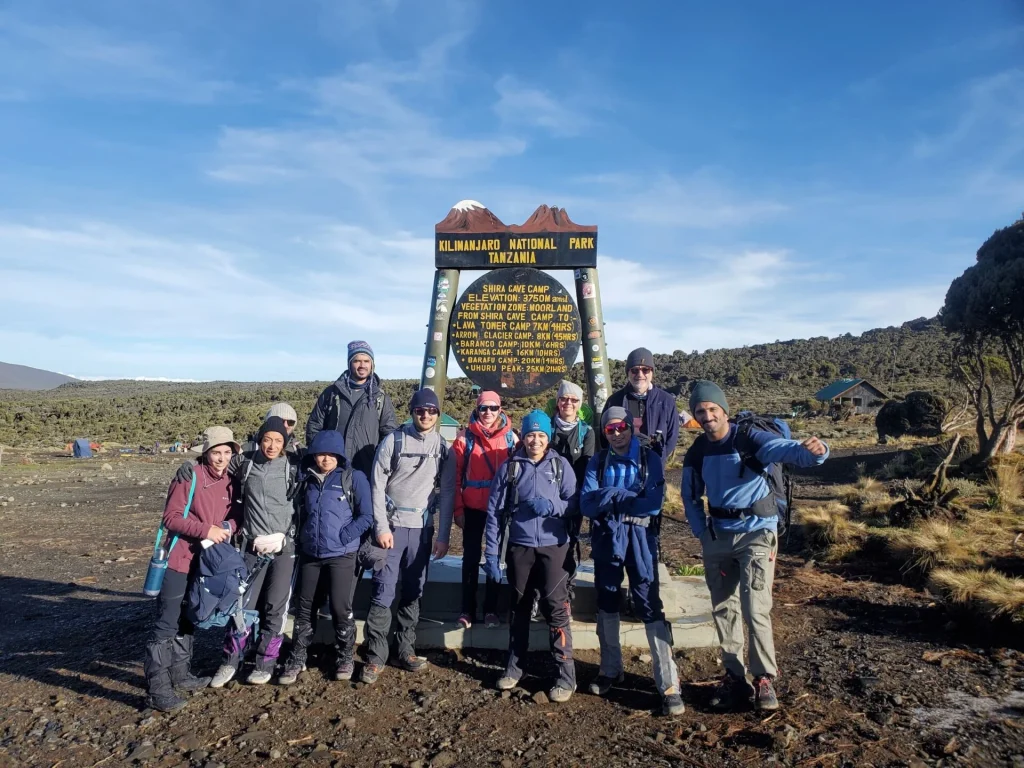
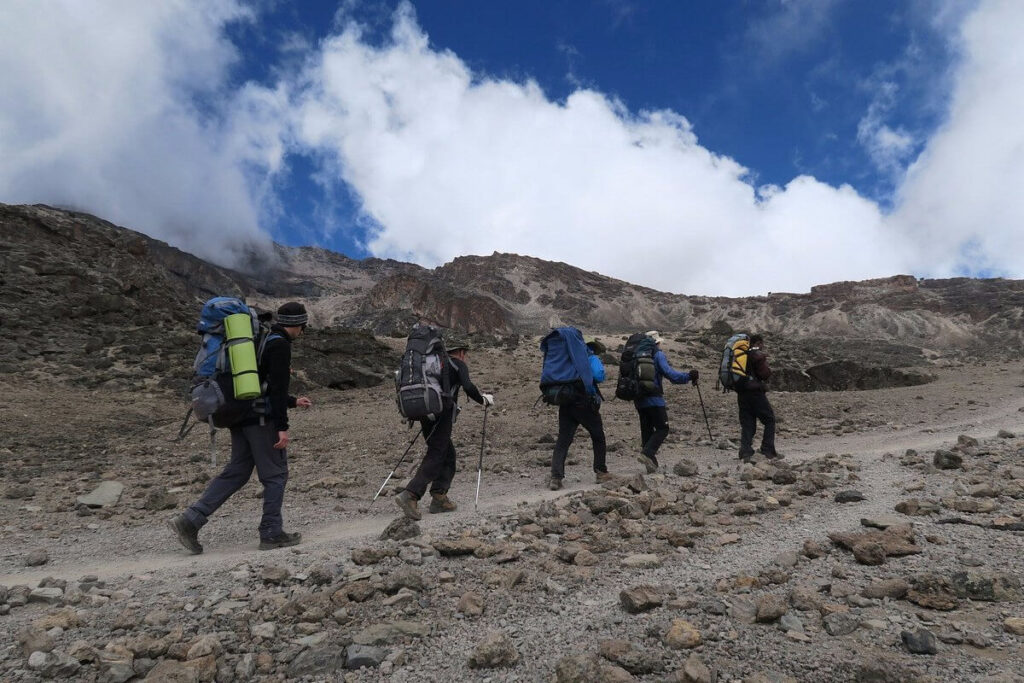
Some people regard Machame route as the most scenic of the trails up Kilimanjaro. The ascent through the forest is gradual until you emerge onto the moorland of Shira Plateau, from which there are superb views of the Kibo peak and the Great Western Breach. From Machame village, you will walk through the great forest vegetation until you emerge in Machame camp which will take you about 6 hours so an early start is recommended.
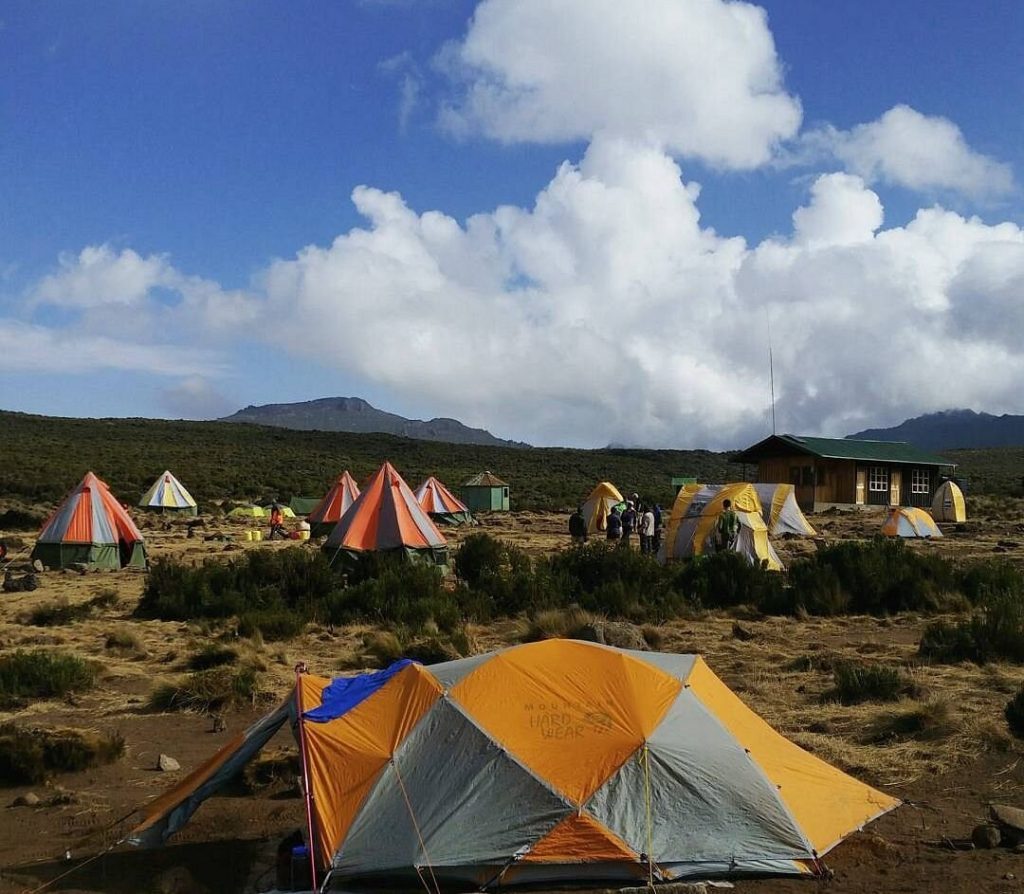
From Machame camp, cross the valley and continue up the steep ridge, then West into the gorge and up again to the Shira camp which will take you about five hours. From Shira camp you have the option to make this tour either 7 days or 8 days by going through Moir camp and Lava camp or continue to Barranco and then Barafu camp where you will have a pre-summit sleep and rest before attempt the summit which will be during the night and after arriving in Africa’s highest point with great view then you descend down to Mweka camp where you rest before going down to the Mweka gate the next day.
Lemosho Route:
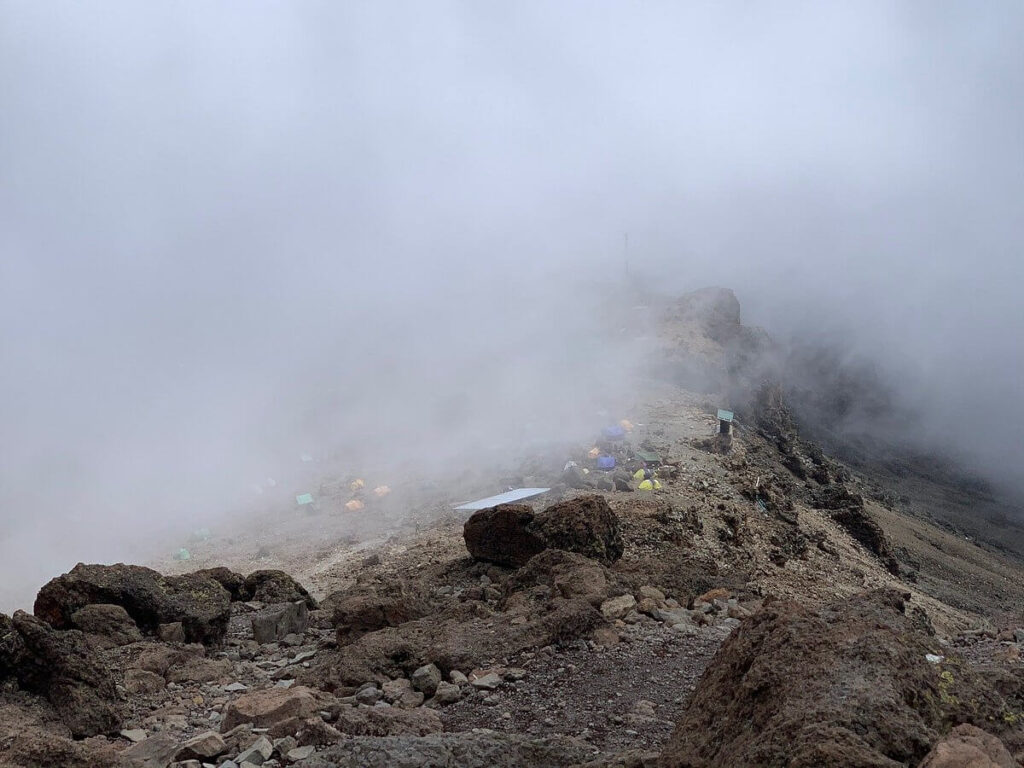
With a high success rate, incredible scenery and low traffic from trekkers, Lemosho route which approaches Kilimanjaro from the western side offers the best trek to the roof of Africa. You can use up to eight days to climb which is highly recommended for the best acclimatization experience but others will use six days for which you need to be experienced with mountains. You will arrive at the Londorossi gate which is the starting point and trek towards the lush forest until you arrive at the first camp which is Mti Mkubwa.
During your trek, you will be able to witness different wild animals like Buffalo and colobus monkey which are very common to spot before arriving Shira Plateau where you will join to Machame route. Kilimanjaro ASAP we highly recommend this route and it is the route that most of the climber will wish to attempt since it is with beautiful scenery and offer the high success rate due to the number of days you will take to the highest point in Africa.
Marangu Route:
The Marangu trail is the route most taken by the tourists, being the easiest way up the mountain. Starting from the Marangu park entry gate at 1800 metres, it is a fairly easy three to four-hour walk through the thick rainforest. The route climbs steeply through giant heath of Mawenzi and finally to the Horombo camp (3720 metres). If possible you can spend two nights at Horombo Hut which can make the trek to 6 days otherwise you can continue to Kibo Hut where you can have the pre-summit rest and sleep.
Around 1 am you will have to start out for the summit so that you can approach the peak before sunrise. The mist and cloud close in and obscures the view around 8 am and sometimes earlier. Expect to take five to six hours from Kibo Hut to Gilman’s point and a further one to two hours from there to Uhuru Peak. On the same day, you will descend from the summit to Horombo Hut and spend the night there.
Umbwe Route:
This is another relatively short but steep route (West of Moshi), Umbwe route is less traffic and attempts by few climbers since is one of the most challenging trails up the mount Kilimanjaro which many professional hikers would like to trek and descend down from Mweka route.
To get to the trailhead, we drive to the Machame gate where we will undergo some park formalities before drive towards the Umbwe village then crossing the Sere River before we found the Umbwe Mission where we will end driving and start walking through an old forestry track up to 2100 metres and then the path along the narrow ridge between the Lonzo and Umbwe rivers and big trees around where you will find the Umbwe camp 2800 metres, From Bivouac continue to 3780 metres which is rock overhang. Then next go up the ridge to the end of the tree line where the path marked cairns go up to Barranco camp then to Barafu camp where you will rest before the summit to the Uhuru Peak.
Rongai Route:
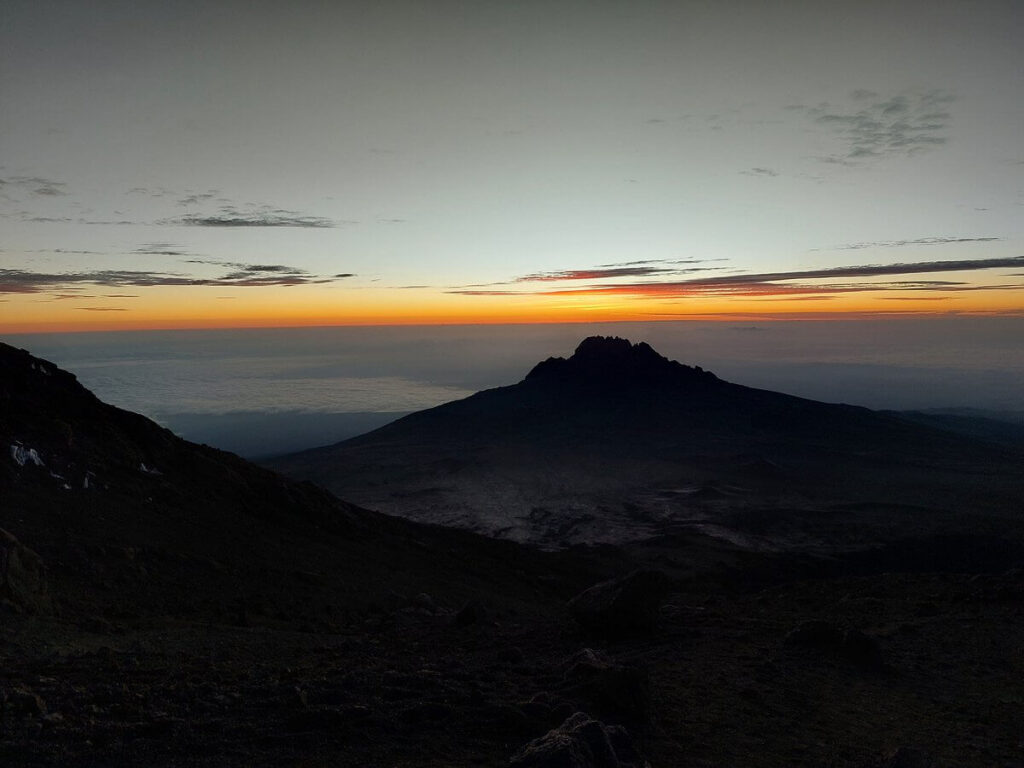
The Rongai Route is the only route that starts from the Northern and close to Kenyan border. This route is almost flat during a trek and receives less rain compared to the other western routes like Lemosho and Machame. Rongai route is less traffic and offers a great experience since the view of the mountain is clear and uncloud and also the vegetation is almost unspoilt.
The recommended number of days for this trek is 7 days when you use the Mawenzi Tarn camp to the summit or you can also take 6 days when using the School camp to the summit which is not popular for many trekkers. Once arrived at Kibo Hut you will join others from Marangu route and take a pre-summit rest or sleep before the summit to the Uhuru peak in the midnight and on the same day you will descend from the summit to the Horombo Hut and spend a night there before arriving at the Marangu gate.
At Kilimanjaro ASAP we cover all the route to the peak of Mount Kilimanjaro (Uhuru Peak). Our team is well trained and experienced all the routes and we are all ready to take you through this lifetime adventure. Contact us now
Frequently Asked Questions
What are the main routes to climb Mount Kilimanjaro?
There are several established routes to climb Mount Kilimanjaro, each offering a different experience. The most popular ones include Marangu, Machame, Lemosho, Rongai, and Northern Circuit. Marangu is known for hut accommodations, while Machame and Lemosho are more scenic and adventurous camping routes. Rongai approaches from the north and is quieter, while the Northern Circuit is the longest and least crowded. Choosing the right route depends on your fitness level, time, and how much solitude you want.
Which Kilimanjaro route is the easiest for beginners?
The Marangu Route is often considered the easiest because of its gradual slopes and hut accommodations. However, “easy” is relative since climbing Mount Kilimanjaro is still physically demanding. Routes like Lemosho and Machame actually have higher success rates due to better acclimatization profiles. Beginners who take their time and prepare well can succeed on several routes, not just Marangu. It’s more about pacing and altitude management than choosing the “simplest” path.
Which route has the highest success rate for reaching the summit?
Routes with longer itineraries, like Lemosho and the Northern Circuit, tend to have the highest summit success rates. This is because they allow more time for acclimatization, which is crucial when climbing Mount Kilimanjaro. Shorter routes often lead to altitude sickness and lower success rates. The “climb high, sleep low” approach used on these longer routes gives your body time to adjust. In the end, patience and a steady pace make a big difference in reaching Uhuru Peak.
How do I choose the best route for my Kilimanjaro climb?
Choosing the best route depends on your experience, budget, and how many days you can spend on the mountain. If you want comfort, Marangu is a good choice, but if you want scenery, Machame or Lemosho are better options. For those seeking fewer crowds, Rongai or the Northern Circuit are ideal. It’s also important to consider your fitness level and how well you handle altitude. Talking to a local guide or tour operator can help match you with the right route.
What is the best time of year to climb Kilimanjaro?
The best times to climb Mount Kilimanjaro are during the dry seasons, from January to mid, March and June to October. These months offer clearer skies, better trail conditions, and more enjoyable trekking weather. Rainy seasons can make trails slippery and reduce visibility, especially in the rainforest zones. However, some trekkers still climb during off, peak months for fewer crowds. Planning your trek during the dry season generally gives you the best overall experience.
Still have questions?
Our local safari experts are happy to help you plan the perfect African safari.