
Table of Contents
- A sleeping mat is generally provided but if you would like some extra comfort than an inflatable mat would be a good idea.”
- Gaiters are a perfect accompaniment to your walking boots. They are great for keeping the mud and snow out of your boots. Always choose ones that are breathable material.”
- Frequently Asked Questions
When you’re planning to climb Mount Kilimanjaro you need to make sure you plan every little detail because this will make all the difference to your experience on the mountain.
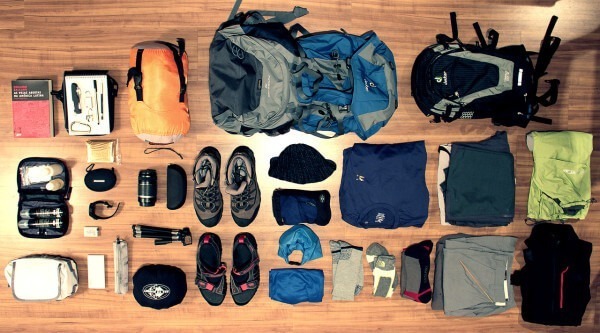
One of the most common mistakes climbers make is over packing before they leave home. It’s important to be very selective in what you take but it’s also important to take particular items that will be essential for your trip.
All of your clothing should match the weather on Mount Kilimanjaro as it can be extremely sunny in the mornings, afternoons tend to be colder and cloudy and when the night time arrives the temperature can drop to below freezing. So it may be a good idea to dress in layers, so you can remove or put on clothes as needed.
A good sleeping bag is essential for the night times, you should aim for a season 3 or 4 sleeping bag as the temperature can drop well below freezing. A season 3 or 4 should definitely protect you from the freezing temperatures and ensure you get a good nights sleep.
A sleeping mat is generally provided but if you would like some extra comfort than an inflatable mat would be a good idea.
A thermally protected drinking bottle that holds at least 3 liters of water is advisable. Ordinary plastic water bottles should be avoided as these may crack the higher you climb and they are not allowed by the Kilimanjaro National Park Authority same as plastic bags.
You should purchase a good pair of hiking boots that are completely broken in before you even think about about climbing Kilimanjaro, blisters are really not a good idea when you spend most of your day hiking! Special socks that take moisture away from your skin should be worn under a warmer pair of socks. As the temperature gets colder then a good thick pair of woolen socks should be worn over the top.
Gaiters are a perfect accompaniment to your walking boots. They are great for keeping the mud and snow out of your boots. Always choose ones that are breathable material.
Hiking trousers with base layers are ideal for your trek. The base layers should be made of wool as these will keep you warm when the temperature drops. Waterproof trousers should be worn over your hiking trousers so that your lower half doesn’t get wet when the weather changes. These can protect you when the weather gets a little windy. When the temperature warms up then a pair of shorts are always a great idea to wear.
Two to three warm layers for your upper body are ideal. You can remove or add depending on the temperature and weather. A good waterproof jacket will be needed to stop you from getting wet.
A good pair of thermal gloves will be needed along with a thinner pair to wear under them.
A warm hat that covers both your head and ears should be taken, as well as a sun hat with a wide rim to protect you for the sun. If you experience the cold it’s advisable that you take a warm snuggly hat to wear at night because this will help keep the heat in your body and will no doubt help you sleep more soundly.
Don’t forget your sunglasses because you will definitely need them. As the altitude gets higher the UV exposure also gets stronger. It’s important that your sunglasses protect against UVA, b and c rays. Making sure that you have the correct gear for your climb will make you experience far more fun.
We have a full list of the type of gear you’ll need to climb Mt Kili successfully and you can also hire the climbing gear so you don’t have the added expense of investing in all this stuff if you only plan to do this type of climb once. This is the ideal option too if you want to make sure your climbing gear for Kilimanjaro is of the highest quality and standards.
Check out our Top Kilimanjaro Trekking Tips
Frequently Asked Questions
What are the absolute must, have items for climbing Mount Kilimanjaro?
The essentials include sturdy hiking boots, warm layered clothing, and a good quality sleeping bag. You’ll also need a waterproof jacket and pants because weather can change quickly. A comfortable backpack for daily use is important, along with a duffel bag for porters to carry. Don’t forget basics like a headlamp, water bottles, and sunscreen. These core items help keep you safe and comfortable throughout the trek.
Why is layering clothing so important on Kilimanjaro?
Layering helps you adjust to the mountain’s constantly changing temperatures. You might start the day in warm sunshine and end it in freezing conditions. Wearing multiple layers allows you to add or remove clothing easily as needed. Typically, you’ll have a base layer, an insulating layer, and a waterproof outer layer. This system keeps you warm, dry, and comfortable at all times.
What kind of footwear is best for the climb?
Good hiking boots are one of the most important pieces of gear. They should be waterproof, well broken, in, and provide strong ankle support. Blisters can quickly ruin your experience, so proper fit is essential. Thick hiking socks also help with comfort and warmth. Investing in quality footwear can make a huge difference on long trekking days.
Do I need any special gear for high altitude conditions?
Yes, high altitude means colder temperatures and stronger sun exposure. Items like thermal gloves, a warm hat, and sunglasses with UV protection are very important. You’ll also need a sleeping bag rated for sub, zero temperatures. Trekking poles can help reduce strain on your legs, especially during descents. These items help you handle the physical demands of the mountain.
Can I rent gear instead of buying everything?
Yes, many climbers choose to rent some gear locally to save money and space. Items like sleeping bags, trekking poles, and jackets are often available through tour operators. However, personal items like boots and base layers are best brought from home for comfort and hygiene. Renting can be a practical option if you’re traveling light. Just make sure the gear you rent is in good condition and suitable for the climb.
Still have questions?
Our local safari experts are happy to help you plan the perfect African safari.


