
Table of Contents
If you want to stand on the roof of Africa then you’re going to need some top Kilimanjaro trekking tips to make sure you reach that summit. These handy tips (along with experienced guides and helpful porters) will ensure you get there and back with nothing but a smile on your face.
As with any event in life, always be prepared! You are trekking to the top one of the most accessible but no less challenging mountains in the world so you must get yourself ready for such an undertaking, even if you’re an experienced mountaineer. No two climbs are the same.
So we’ve prepared a handy list for you to look through to help you ready yourself for the expedition ahead. This is by no means exhaustive but will provide you with a good grounding to launch your trek from.
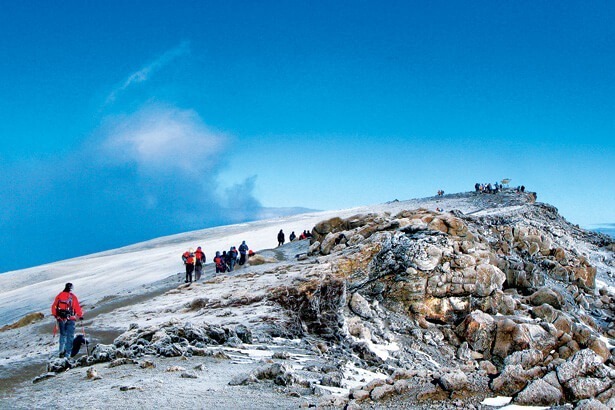
Top Kilimanjaro Trekking Tips
1. Prepare yourself physically by starting your training at least two months before you plan to do your trek. The earlier you can start training the better you will be able to handle the physical challenges that lay ahead.
2. Prepare yourself mentally for the challenge by fully understanding what’s involved in a trek on Kilimanjaro. Research others experiences and visualise your goal of reaching the summit.
3. Climb at your own pace, don’t be influenced by anyone else because everyone is an individual and what works well for them may not for you. Take your ascent slowly, slowly. Getting to the top is not a race or a competition, and your health and safety will be greatly improved if you take your time. The summit will still be there when you reach the top so take your time to enjoy the entire experience and make sure that you do indeed reach the summit.
4. Ensure you have a cozy hat with you because this will come in handy the higher you climb and will help you sleep better at night as it will help you retain heat. A good pair of socks and ear plugs will also be very welcome when you settle down for the night.
5. You will need tissues throughout your Kilimanjaro climb without a doubt but no more so than when you reach the summit because it is truly an incredible sight which takes your breath away and evokes many emotions. It is not uncommon to be brought to tears by your achievement and the magnificence of your surroundings.
6. A little Swahili will take you a long way. Make an effort to get to know your guides, porters and they will become great friends by the end of your expedition. When you meet local villagers or town folk, make the effort to say “hello, how are you” before you ask any questions because this is customary in Tanzania.
Here’s a few basics which will help you show respect, make friends and leave a good impression:
> Hello = Jambo / hujambo / Salama
> How are you? = Habari gani
> Nice to meet you = Nafurahi kukuona
> What is your name? = Jina lako nani?
> My name is = Jina langu ni …
> Please = Tafadhali
> Thank you = Asante
> Thank you very much = Asante sana
> Yes = Ndiyo
> No = Hapana
> Do you speak English? = Unasema kiingereza?
> Goodnight = Lala salama
> Excuse me = Samahani
> Can you help me? = Tafadhali, naomba msaada
Q: What are your top trekking tips? Please comment Below.
Frequently Asked Questions
What is the most important tip for climbing Mount Kilimanjaro successfully?
The golden rule on Kilimanjaro is to go slowly and steadily. Many climbers fail because they rush and don’t give their bodies time to adjust to the altitude. Taking your time helps your body acclimatize and reduces the risk of altitude sickness. It may feel like you’re moving too slowly, but that pace is actually your strength. In the end, patience often makes the difference between reaching the summit and turning back.
How should I prepare physically before the trek?
You don’t need to be an athlete, but you should be reasonably fit. Regular hiking, walking long distances, and doing cardio exercises can help a lot. Training your legs and building endurance is especially important. It’s also helpful to practice hiking with a backpack to simulate the real experience. The more prepared your body is, the more enjoyable the trek will feel.
What kind of gear is essential for the climb?
Good quality gear can make a huge difference on Kilimanjaro. Proper hiking boots, warm clothing layers, and a reliable sleeping bag are must, haves. Weather conditions can change quickly, so being prepared for both heat and cold is key. Don’t forget small essentials like gloves, a headlamp, and sunscreen. Being well, equipped helps you stay comfortable and focused on the journey.
How do you deal with altitude sickness during the trek?
Altitude sickness is one of the biggest challenges on Kilimanjaro. Drinking plenty of water, eating well, and walking slowly all help your body adjust. Listening to your guide is very important, as they are trained to spot early symptoms. If things get serious, descending is the safest option. It’s always better to prioritize your health over reaching the summit.
What mindset should you have going into the climb?
A positive and flexible mindset goes a long way on the mountain. There will be tough moments, and things may not always go as planned. Staying mentally strong and focused on one step at a time helps you push through. It’s also important to enjoy the journey, not just the summit. The experience itself is just as valuable as reaching the top.
Still have questions?
Our local safari experts are happy to help you plan the perfect African safari.


