
There was a recent news article that stated Kilimanjaro was under pressure from an influx of tourists wanting to climb to the summit and that this was having a detrimental impact on the great mountain and surrounding areas.
We can assure you that this isn’t the case and that all organisations in place to protect the mountain, Kilimanjaro and Serengeti regions are all working together to ensure it never does. Taking care of the Tanzanian National parks and their inhabitants is of paramount importance.
The Tanzanian National Parks Authority issued a statement on their website which goes into detail about how they work to protect the region, its natural beauty and the habitat of the people and wildlife.
While we all obviously want to encourage more people to come and see the wonders of Tanzania for themselves, we do so with a good conscience. Our aim is to show the world the beauty this great country has to offer whilst helping to develop its economy; providing further jobs, education and the chance to live a more secure life for the people of Kilimanjaro.
The impact our travelers have on this area, the environment, the people, and the wildlife all matter to us very much, which is why we work with the organisations who are taking care of the Tanzanian National Parks and who love and respect this ecosystem.
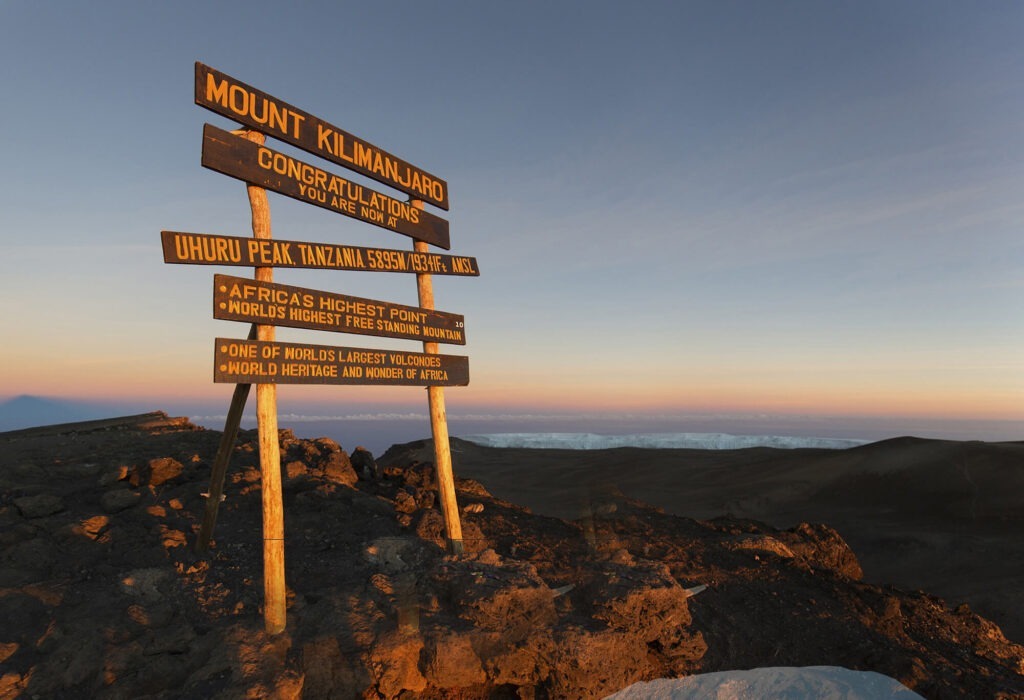
We run our eco trekking expeditions within the guidelines of the International Ecotourism Society which is a non profit organisation set up to promote ecotourism. Ecotourism is “responsible travel to natural areas that conserves the environment and improves the well-being of local people.” It is our aim to help preserve, protect and at the same time improve the environments we travel through by following strict guidelines and practices.
We work to minimize visitor impact, provide local people with good wages, secure employment, leave no trace on our treks and safaris and all of this means we can trek in the knowledge that the only thing we’re leaving behind are the Tanzanian friends we made along the way.
There is real progress being made by all organisations working together to ensure Kilimanjaro and the Serengeti thrive because more visitors are coming to Tanzania.
When reputable trekking companies follow these guidelines and work with the local authorities, this helps to stamp out any low budget international mountain trekking companies that don’t hold these principles to heart.
Kilimanjaro ASAP believe in providing the highest quality luxury trekking experience and whilst taking good care of staff and visitors, it’s also extremely important to take care of our beloved Tanzanian home too.
When you book your Tanzanian adventure, make sure you’re booking with a locally based trekking company who’s part of the Tanzanian Association of Tour Operators at the very least. This will ensure you’re protected by them should the unexpected happen.
When you’re travelling to somewhere such as Tanzania, you want to make sure every tiny detail is taken care of and you’re in the safest of hands, which is why organisations such as TATO exist and why Kilimanjaro ASAP are proud to be a member of them.
We’ll give the Tanzanian National Parks authority the final word…
Conclusively, as our mission stands: “To sustainably conserve and manage park resources and their aesthetic value, for the benefit of present and future generations of mankind, as well as efficiently provide high class tourism products and services,” Tanzania National Parks through Kilimanjaro National Park will continue to work tirelessly in ensuring that this mission is attained.
Frequently Asked Questions
Why is it important to protect national parks in Tanzania?
Protecting national parks helps preserve wildlife, natural landscapes, and ecosystems for future generations. These parks are home to some of the world’s most iconic animals and unique environments. They also support tourism, which provides income and jobs for local communities. Without proper care, these natural treasures could be damaged or lost. Conservation ensures that both nature and people can continue to benefit.
What role does the Tanzania National Parks Authority play?
The Tanzania National Parks Authority, commonly known as TANAPA, is responsible for managing and protecting the country’s national parks. They work to conserve wildlife, maintain park infrastructure, and ensure visitor safety. Rangers also help prevent illegal activities like poaching. Their efforts balance conservation with tourism so that both can thrive. It’s a challenging job that requires constant dedication and resources.
How can visitors help take care of national parks?
Visitors play a big role simply by respecting the rules and environment. This includes not littering, staying on designated paths, and avoiding disturbing wildlife. Choosing responsible tour operators also supports conservation efforts. Even small actions, like reducing plastic use, can make a difference. Being mindful helps protect the parks for others to enjoy in the future.
What are the biggest threats facing these parks today?
Some of the biggest challenges include poaching, climate change, and human, wildlife conflict. As populations grow, land pressure around parks increases. This can lead to habitat loss and tension between communities and wildlife. Climate change also affects water sources and ecosystems. Addressing these issues requires cooperation between governments, communities, and global partners.
How do national parks benefit local communities?
National parks create jobs through tourism, from guides to lodge staff. They also bring in revenue that can support schools, healthcare, and infrastructure. Many communities benefit from conservation programs and partnerships. When managed well, parks can improve livelihoods while protecting nature. This connection helps people see the value of preserving their natural heritage.
Still have questions?
Our local safari experts are happy to help you plan the perfect African safari.


