I was always eager to learn. Therefore I was really proud when I could go to school a few days before my seventh birthday. A book store in town displayed a sign that said: ”He who reads books knows more!” This sentence became kind of a motto for me, and I encourage you to read: She who reads books knows more!
After school I trained for three years to become a laboratory technician, then I studied chemistry at a technical college, and later at the university. I made my PhD only at the age of 38. It is never too late to aspire to more knowledge. Pindar, a Greek poet wrote 2500 years ago: ”Become what you are by learning.” We become what we are not only by the education of our parents but also by our own ardour in learning. And most lucky is the person who finds excellent teachers!
Science, and especially chemistry, is still one of my passions. It is an unbeatable tool for understanding the composition, fate and interplay of every object of our environment: the air, ozone layer, water, oceans, soil, plastic waste, oil, drugs, healthy and unhealthy food and so on.
But there is another passion in my life, too. It is mountains. I love the extraordinary beauty of the Swiss Alps, but I love the mountains of other continents as well. As a girl I was eager not only to learn but also to climb the snowy peaks of the Alps. But I was 29 years old when I could climb the Schreckhorn, my first ”four-thousander”, a peak of more than 4,000 meters (13,000 feet) high. This led to a craving for more of these peaks, and after a number of years I had climbed all of the approximately 50 “four-thousanders” of Switzerland.

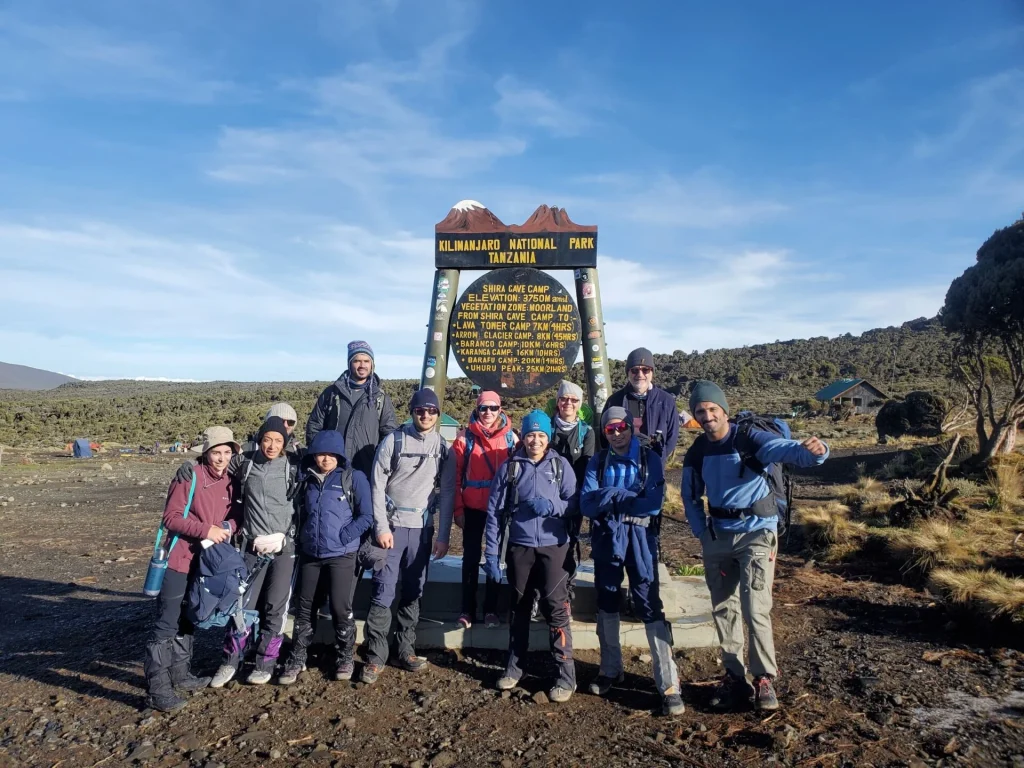
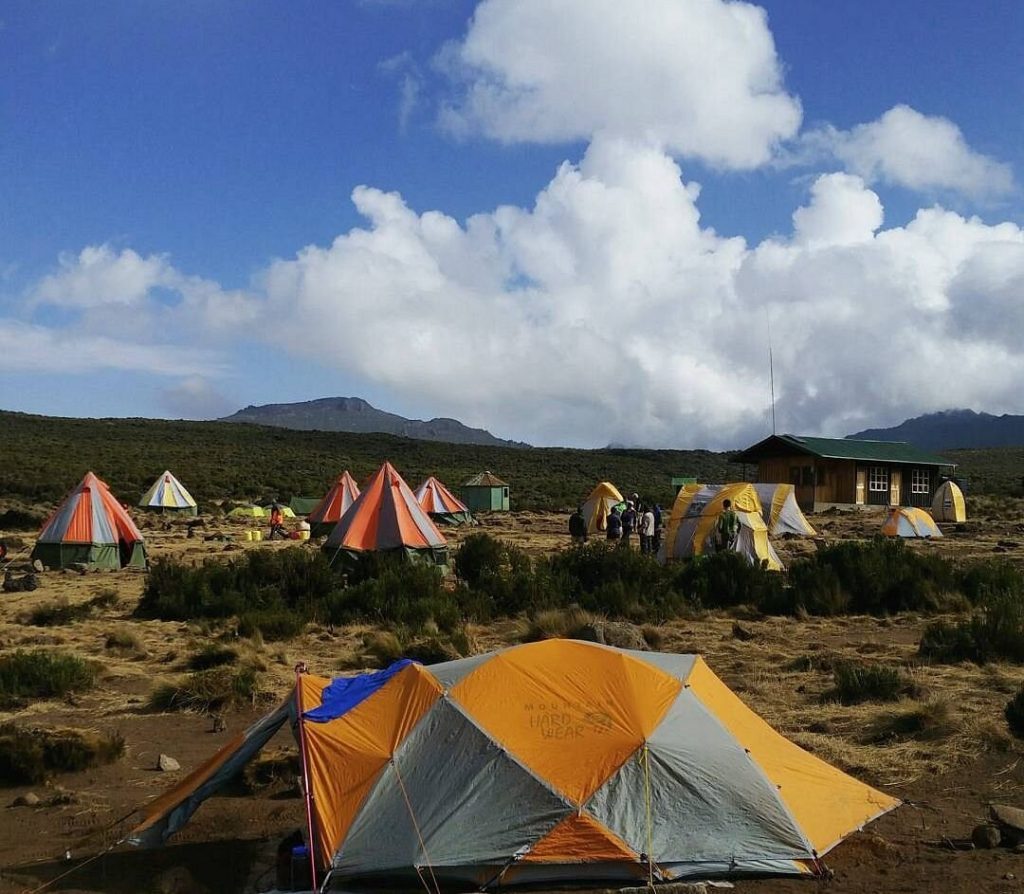
In 1991 I started another project, although I did not yet realize by then that it would become one. I began to climb the Seven Summits, the highest peaks of the seven continents. On October 9, 1991, I reached my first: Uhuru Peak, the summit of Kilimanjaro. It was a beautiful day. Two years later, I reached the top of the Carstenz Pyramid, the highest mountain of Oceania and Australia.
However, many things – not only mountains – were not easy to reach for me and I needed to work hard. When I was 23 I was told that I had a heart defect, aortic valve disease. Over time my physical capacity decreased to such a degree that in 1997, at the age of 46, I needed open heart surgery. With an artificial aortic valve I can fully enjoy mountaineering again.
I continued with the Seven Summits, climbing Elbrus (Europe) in 1998, Aconcagua (South America) in 2000 and both Denali (or Mount McKinley, North America) and Vinson (Antarctica) in 2001. Then my long endeavours to reach the top of Everest began. Due to illness or unfavourable weather conditions I returned home four times without success. But on May 16, 2007 I finally was able to climb this highest peak of Asia and the Earth. I am very grateful for this grace of the elements and of the moment.
Why did I do all this? I have always had an intrinsic motivation, both for science and for mountain climbing. I do not know where this motivation comes from; I was born with it. It seems that I need great projects (not only in mountain climbing) in order to feel happy and satisfied.
Where my work as a scientist is concerned, I aspire to do nothing but useful work. I have written two textbooks in the field of analytical chemistry and my profession is scientific writing at the Swiss Federal Laboratories for Materials Testing and Research in St. Gallen. I am also a teacher at the University of Bern.
Yet some secret force pulls me towards the mountains and onto their summits. It is a passion that is in complete contrast to my work as a scientist. Maybe mountain climbing is so joyful for me because it is so useless!
Frequently Asked Questions
What does it mean to “fill your brain with passion”?
It means choosing to focus your energy on things that genuinely excite and inspire you. Instead of going through life on autopilot, you actively engage with what matters to you. Passion fuels curiosity, creativity, and motivation in a natural way. When your mind is filled with things you care about, even challenges feel more meaningful. It’s about creating a life that feels alive, not just routine.
How can someone discover what they’re truly passionate about?
Finding your passion often starts with trying new things and paying attention to what excites you. It’s less about one big discovery and more about exploring different interests over time. Sometimes, passion grows from something small that you stick with. You may not feel it instantly, and that’s okay. The key is to stay open, curious, and willing to experiment.
Why is passion important for personal growth?
Passion gives you a reason to keep going, even when things get tough. It helps you stay committed and pushes you to improve naturally. When you care deeply about something, you’re more willing to invest time and effort into it. This leads to growth not just in skills, but also in confidence. Over time, passion can shape your direction in life.
What happens when you lose passion or feel unmotivated?
Losing passion can feel like everything becomes dull or heavy. It’s normal to go through phases where motivation fades. Sometimes, it’s a sign that you need rest, change, or a new perspective. Reconnecting with what once excited you or trying something new can help reignite that spark. The important thing is not to panic, but to give yourself time to reset.
How can you keep passion alive in everyday life?
Keeping passion alive takes small, consistent effort. Making time for what you love, even in busy schedules, is essential. Surrounding yourself with people who inspire and support you also helps. It’s important to celebrate progress, no matter how small. Passion doesn’t always stay intense, but with care, it can remain a steady and meaningful part of your life.
Still have questions?
Our local safari experts are happy to help you plan the perfect African safari.