
Table of Contents
Kilimanjaro’s Uhuru Peak at 5895m is the highest point in Africa. Reaching the top, and seeing the legendary welcoming sign and the great plains of Africa is dream and goal for many. Kilimanjaro ASAP has been fortunate enough to help and witness thousands make that incredible journey. The mountain has become more accessible and there are plenty of routes to cater for the first time adventurers, the weekend warriors down right up to super-fit. Regardless of the category there are 5 things that everyone would benefit from knowing and factoring into their trip. Slow and steady are the keys to reaching Kili’s summit at 5895m
Acclimatisation
The most important of all hints is to allocate enough time for the ascent to allow good acclimatisation. This involves the red blood cell numbers increasing and lung usage being developed to be more effective. This takes time. Although Kilimanjaro can be ascended in 4 days this can result often in headaches, nausea and failure. In the worst cases in oedemas and forced evacuation. Enjoy your trip by taking as much time over it as you can. 5 nights on the mountain prior to the final ascent day is generally optimal.
Speed
Sometimes the super fit fail. Being so fit they feel they can go up much faster than the recommended speed. They can. But the body often cannot cope with a rapid decrease in air pressure and although you reach the next camp quickly you feel bad. Go slowly and you will feel better. The guides know best.
Sleeping
At night, when you are sleeping your breathing rate drops and you may wake up breathless, you breath deeply, feel better and fall asleep again. This can become a cycle resulting in a sleepless night. If you feel the beginning of a headache in the evening consider taking a diamox tablet. These are mild diuretics that also assist your body to adjust to the effects of altitude. Mild headaches in the evening herald a potentially bad night ahead. Diamox can help.
Drink
The air is dry on Kilimanjaro and combined with the physical effort involved in the ascent results in a lot of water being lost from the body. Some people like to drink a lot, frequently throughout the ascent. Maybe a better alternative is to drink copiously when you first arrive at camps to replace fluids. At camps you will have access to a variety of drinks and boiled water. To avoid a disturbed night do not drink too much before going to bed. Also drink copiously first at breakfast and lunch.
Guide
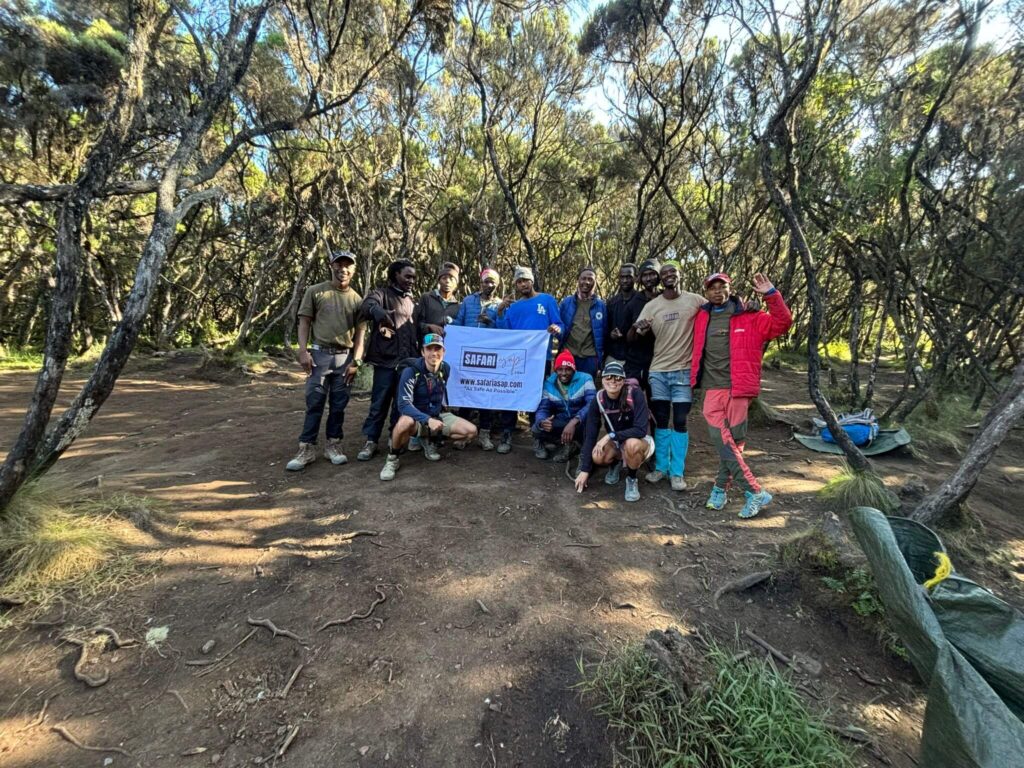
Trust your guide. Almost all guides on Kilimanjaro are excellent. Our guides have been carefully selected from the many available. They are very experienced in all aspects of the mountain, with a good knowledge of the flora and fauna, weather and most important guiding people to the summit and avoiding accidents, injuries and medical emergencies. Listen to your guide and trust him or her.
If you’d like to climb Kilimanjaro or discover a little more about the routes and trekking on the mountain then head over to our Climb Kili Trip page where you’ll also find information on what to pack as well as tipping on the mountain. For further information on what it’s like on the mountain and general advice check out our Kilimanjaro General Information.
Frequently Asked Questions
What is the best tip for reaching the summit?
The best tip for reaching the summit of Mount Kilimanjaro is to go slowly and allow your body to acclimatize properly. Many climbers underestimate how important pacing is and end up struggling with altitude. Following the “pole pole” approach helps your body adjust and keeps your energy steady. It may feel slow, but it significantly increases your chances of success. Patience is often the difference between turning back and standing at the top.
How should I train before the climb?
Training for Mount Kilimanjaro should focus on building endurance rather than speed. Regular hiking, especially on hills or with a backpack, is one of the best ways to prepare. Cardio exercises like running, cycling, or stair climbing can also improve stamina. Strengthening your legs and core will help you handle long trekking days. Consistency over time is more important than intense last, minute workouts.
What should I eat and drink during the trek?
Eating and drinking properly on Mount Kilimanjaro is essential for maintaining energy and preventing altitude issues. You should aim to drink plenty of water each day to stay hydrated at high altitude. Meals provided by your trekking team are usually balanced and designed to keep you energized. Snacks like nuts, chocolate, and energy bars are great for quick boosts during the hike. Even if your appetite decreases, it’s important to keep eating regularly.
Why is choosing the right gear important?
Having the right gear for Mount Kilimanjaro can make your climb much more comfortable and safe. Proper clothing helps you adapt to the mountain’s changing temperatures, from warm days to freezing nights. Good boots prevent blisters and provide support on rough terrain. Essential items like a headlamp, gloves, and a warm sleeping bag are especially important for summit night. Investing in quality gear reduces stress and lets you focus on the experience.
How important is your mindset during the climb?
Your mindset plays a huge role in whether you successfully climb Mount Kilimanjaro. There will be moments when you feel tired, cold, or doubt your ability to continue. Staying positive and focusing on one step at a time can help you push through tough sections. Support from guides and fellow climbers also boosts morale. A strong, determined mindset often turns a difficult journey into a successful and unforgettable achievement.
Still have questions?
Our local safari experts are happy to help you plan the perfect African safari.


