Table of Contents
Let’s begin by saying that “climbing Kilimanjaro” is a tiny bit of a misnomer; it’s a trek, a hike, a stroll even, albeit one that takes you to tremendous altitude.
The people who reach the top take their time and find their rhythm. The people who run and rush, determined to get there first are most often than not the ones who fail. The mountain has proven this time and time again. Our youngest client was 10 and our eldest was 85, both successfully reached the top, relax into your rhythm and you will too.
Remember that Kilimanjaro is essentially a beautiful, slow uphill walk of around 50 miles covered in 6 -7 days and if you like you could set that as goal for yourself: Cover 50 miles of hiking in the hills and moorlands in a total accumulated time of 7 days.
Physical Walking Preparation
Begin by making a list and calender of places and days you can go out walking. A few local park walks and some areas in the wilderness: hills, mountains, forest and moorlands are ideal locations. You can try researching and reading about the national parks, and hiking routes in your area.Try to find places with varying terrain.
Aim to be walking for around 2 to 5 hours, and take a long a small daysack carrying at least 3 litres of water, alongside light clothing, and a camera to simulate what you’ll be carrying on your trek up Kilimanjaro. The sooner you begin this, the better: we recommend begin training at least 3 months before you trek is due to begin. Remember, if your new to this kind of thing, start out slowly and build up to more. GOALS: Prepare yourself for walking and being on your feet. Strengthen your muscles and improve your aerobic energy systems.
Gym Training
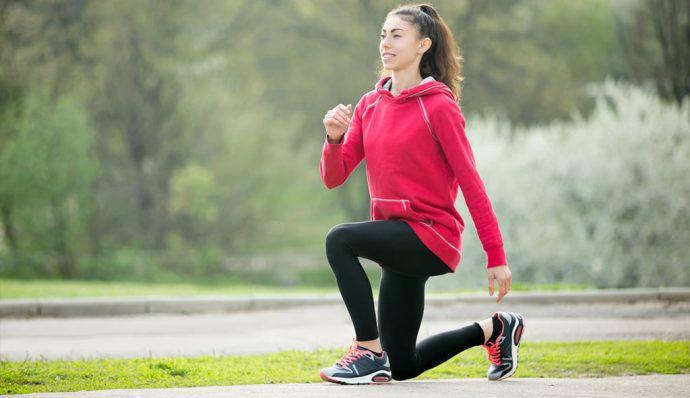
The value of getting out onto the hills and walking cannot be stressed enough. Of course isn’t always possible, especially if you’d like to fit a quick hour of Kilimanjaro training in before or after work. For this the gym is often perfect and convenient. Besides the treadmills, Stairmasters and Bicycles that normal often programs with varying resistance designed to “mimic” hill training, another optional you might consider are organised Circuit Training sessions that give you a great cardiovascular workout through resistance training with lightweights, push-ups and bodyweight. Helping to you build muscle, strengthen your lungs and lose weight.
Preparing your boots
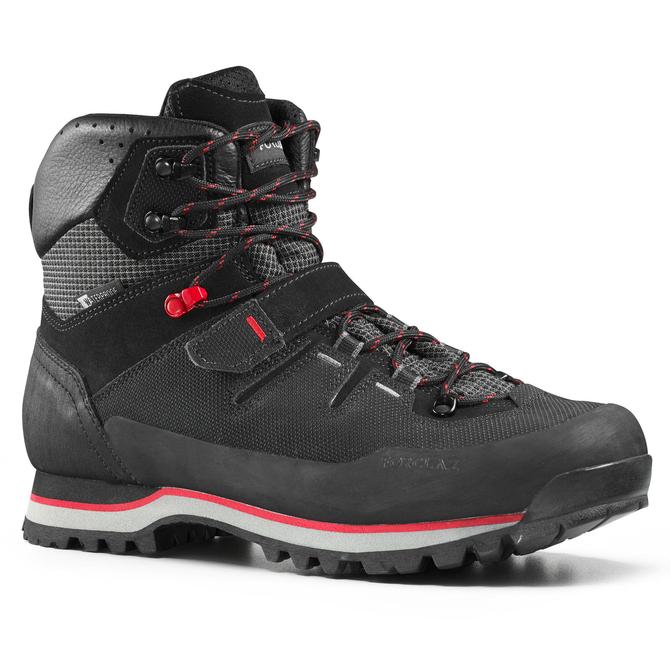
Your footwear is very important. What’s particularly important is that when you start out on your climb up Kilimanjaro, you want to be walking in a pair of comfortable, broken in familiar boots. Not a brand new pair. Worn in boots will protect your feet and you won’t get pain or blisters, which you will if you are wearing brand new boots. Wearing in your boots is essential.
Once you’ve bought your boots, begin walking in them around the house and gradually begin to add more distance. Maybe to the shops and around the park or local neighbourhood. As they start to adapt and mould to your feet, you’ll be more comfortable in them and then you should begin taking them on longer walks, to the hills and mountains. Ideally, you should also begin wearing your boots in around three to four months before you trek begins.
Hiking at Altitude
Always remember to maintain a slow, steady pace from beginning to end. Going slowly allows the body to acclimatize while hiking. Those who start out too quickly will have troubles higher up the mountain as the body will be over-exerted. This still holds true if you are spending and extra day on the mountain.
- The power of controlled, deep breathing is essentially and shouldn’t be underestimated. Always focus on your breathing and make sure you are deeply and regularly. You want to keep your body oxygenated. It’s often advised that you begin the first few days breathing through your nose as this helps bring your attention to your breath and your rate and depth of breathing.
- After 15,000 feet, breathe through you mouth.
- Boiled sweets & menthol lozenges can help keep throat moist and clear sinuses.
- Keep in touch with what your body is doing
- Focus on your daily goal of reaching the next camp — not your ultimate goal of reaching the summit
- Read about Acute Mountain Sickness.
- Drink often. Energy bars may help alleviate fatigue, but they also require more water intake.
- Resting on Kilimanjaro: Instead of sitting down at a rest stop lean against your walking stick. This will keep your muscles active.
Frequently Asked Questions
Why is fitness important for climbing Kilimanjaro?
Fitness is key to successfully climbing Mount Kilimanjaro because the trek demands stamina, strength, and mental endurance. Even though technical climbing isn’t required, long days of walking at high altitude can be exhausting. Being physically prepared reduces fatigue, lowers the risk of injury, and makes the experience more enjoyable. Fitness also helps your body acclimatize better to altitude. Overall, training increases both your confidence and chances of reaching the summit.
What type of exercises should I do to prepare?
A combination of cardio, strength, and flexibility exercises works best for Mount Kilimanjaro preparation. Cardio activities like hiking, running, or cycling build stamina for long trekking days. Strength training, particularly for legs, core, and back, helps with uphill climbs and carrying a backpack. Flexibility exercises like yoga or stretching improve balance and reduce soreness. Practicing hikes with a loaded backpack simulates real conditions and conditions your body for the climb.
How long before the climb should I start training?
It’s ideal to start training at least 2 to 4 months before your Mount Kilimanjaro trek. Starting earlier gives your body time to gradually build strength and endurance without overtraining. Beginners may need more time to adapt, while experienced hikers can focus on conditioning and altitude preparation. Consistency is more important than intensity; short daily workouts are better than infrequent, strenuous sessions. Gradual progression also helps prevent injuries and ensures you are confident on the mountain.
How can I prepare for high altitude?
High, altitude preparation is crucial because oxygen levels drop as you climb Mount Kilimanjaro. One effective method is to train on hills or mountains whenever possible to simulate altitude conditions. Cardiovascular fitness and interval training help your body use oxygen more efficiently. Staying hydrated and maintaining a healthy diet also improves your resilience to altitude. Finally, selecting a longer climbing route allows your body to acclimatize gradually, which is the most reliable way to prevent altitude sickness.
Are there any tips for mental preparation?
Mental readiness is just as important as physical fitness for Mount Kilimanjaro. Summit day is long, cold, and tiring, so visualizing success can help you stay motivated. Breaking the climb into small goals makes it feel manageable and less overwhelming. Practicing patience and a positive mindset during training hikes also prepares you for challenging moments. Support from your guides and fellow climbers can boost morale when fatigue sets in. A strong mental attitude often makes the difference between turning back and reaching Uhuru Peak.
Still have questions?
Our local safari experts are happy to help you plan the perfect African safari.