
Table of Contents
Udzungwa Mountain National Park
The Udzungwa Mountains were formed 200 million years ago and are part of the “Eastern Arc Mountains” that stretch from southern Kenya to southeastern Tanzania and consist of 13 independent mountain peaks, of which Mount Uluguru near the city of Morogoro is the highest (2630 m above sea level). Udzungwa National Park which is still relatively unknown and not yet discovered by the large tourist streams is known for a large number of endemic animal and plant species. The Udzungwa Mountains are a suitable continuation of the safari trip after a visit to the nearby Mikumi National Park. The travel time between Mikumi and Udzunga takes about 1.5 hours and the distance between Mikumi “park head quarter” and Udzungwa is about 65 km.
Udzungwa National Park (1990 km 2 ) is a beautiful forested mountain area in south-eastern Tanzania with Lohomerotoppen (2576 m above sea level) as the highest point. The Udzungwa Mountains tower majestically from the low-lying plains to the east that stretch all the way to the Indian Ocean. The Udzungwa Mountains are called “The Galapagos Islands of Africa” as each mountain is like a green island of rainforest with heavy rainfall on the otherwise surrounding dry savannah. Although the Udzungwa Mountains only cover 2 percent of Tanzania’s surface, there are about 30-40 percent of all known animal and plant species in the country.
Udzungwa is part of a larger wilderness area and from Udzungwa there are game corridors where elephants and African buffalo migrate to the nearby natural areas Nyerere National Park and Mikumi national park, but also to the more remote Ruha national park. Between 1950 and 1992, Udzungwa consisted of five protected forest areas. And from 1992, Udzungwa received national park status. The Udzungwa Mountains are one of 43 places on earth with the greatest biological diversity, and the World Wide Fund for Nature has therefore designated the Udzungwa Mountains as one of the 200 ecological regions in the world with the greatest global significance.
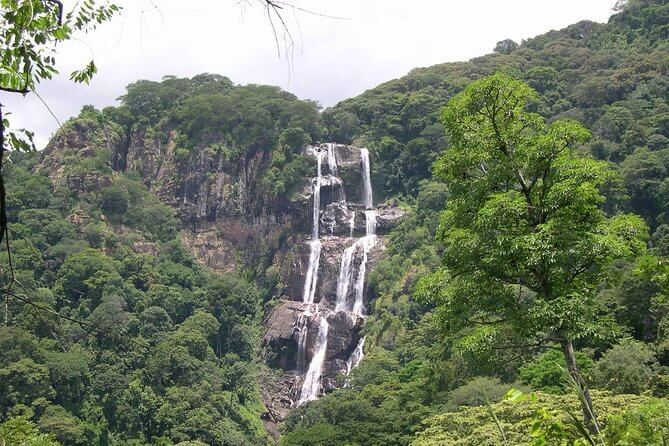
View from the Udzungwa mountainsIn Udzungwa National Park, which is known for its biological diversity, there are among other things twelve different primates, including the endemic monkeys Sanje Mangabey and Iringa Red Colobus. In addition to that, there are about 400 different bird species, several of which are also endemic.
In Udzungwa National Park it is not possible to drive a car, but only hiking or mountain biking applies. Udzungwa can be visited all year round but during the rainy seasons in November and April-May it is often wet and slippery. Udzungwa is at its warmest in October with a maximum of 31 degrees and at its coldest in July with about 21 degrees.
In the wooded Udzungwa Mountains, there are a number of pleasant hiking trails to choose from, for example a hike to the beautiful Sanje Waterfall (4 hours) where you can finish with a refreshing swim. Or why not do an exciting five-day hike through the dense mountain forests accompanied by armed Udzungwa mountains Sanje fallspark rangers.
Hiking trails in Udzungwa National Park:
Lumemo Trail : approx. 65 km, 5 days
Mwanihana Peak (2150 m a.s.l.): approx. 38 km, 2–3 days
Hidden Valleys Trail (Campsite 3 trail): approx. 14 km, 6–8 hours
Njokamoni Trail: about 5 km, 2–4 hours
Sanje Waterfall Trail: about 7 km, 2–5 hours
Frequently Asked Questions
Where are the Udzungwa Mountains and what makes them special?
The Udzungwa Mountains are located in south, central Tanzania and are part of the Eastern Arc Mountain range. They are often called the “Galápagos of Africa” because of their incredible biodiversity and high number of endemic species. Unlike many national parks, there are no roads inside, so everything is explored on foot, making it perfect for nature lovers. The mountains are covered in lush rainforest, home to rare plants, birds, and primates. It’s a peaceful, less crowded destination compared to Tanzania’s more famous safari parks.
What are the top attractions in the Udzungwa Mountains?
One of the biggest highlights of Udzungwa Mountains National Park is the stunning Sanje Waterfall, which cascades dramatically down multiple tiers. The hike to the falls offers breathtaking views and a chance to swim in natural pools. The park is also famous for its unique wildlife, including the rare Iringa red colobus monkey. Birdwatchers will find plenty to enjoy, with hundreds of species living in the forest canopy. Every trail feels like a hidden gem waiting to be discovered.
Is hiking in the Udzungwa Mountains difficult?
Hiking in Udzungwa Mountains National Park can range from moderate to challenging, depending on the trail you choose. The Sanje Waterfall hike is the most popular and can be completed in a day, but it still involves some steep sections. Longer treks, like the multi, day routes across the mountains, require good fitness and preparation. The humid rainforest environment can also make hikes feel more demanding. Taking your time and staying hydrated will help you enjoy the experience.
When is the best time to visit the Udzungwa Mountains?
The best time to visit the Udzungwa Mountains National Park is during the dry seasons, from June to October and December to February. During these months, trails are easier to navigate and the weather is more comfortable for hiking. The rainy seasons can make paths slippery and more challenging, but the forest becomes incredibly lush and vibrant. Wildlife is present year, round, though sightings can vary depending on conditions. Choosing the right time depends on whether you prefer easier trekking or dramatic green scenery.
What should I pack for a trip to the Udzungwa Mountains?
Packing for Udzungwa Mountains National Park is all about preparing for a humid, forest environment. Lightweight, breathable clothing is essential, along with sturdy hiking shoes for uneven trails. A rain jacket is useful, as showers can happen even in the dry season. Don’t forget insect repellent, sunscreen, and plenty of water. Bringing a camera or binoculars is also a great idea to capture the unique wildlife and scenery.
Still have questions?
Our local safari experts are happy to help you plan the perfect African safari.


