
Few travellers are ever disappointed by Tanzania. Information on the country is widely available, and accessing its main towns and cities is relatively easy. The United Republic of Tanzania is made up of the mainland of Tanganyika and the islands of Zanzibar. Viewed as one of the most spectacular wildlife havens in the world, it is comprised of magnificent unspoilt beaches, endless rolling plains, incredible wildlife parks and lush tropical rainforests. It is also home to a number of legendary lakes and mountains including Lake Tanganyika, Lake Natron, Mount Meru and of course Mount Kilimanjaro.
Visas for Tanzania are relatively simple to obtain either from the Tanzanian Embassy in one’s country, or alternatively upon arrival in the country. The former option is however strongly advised so as to avoid the administrative nightmares which often accompany negotiations in a foreign country. Prior to departing on their vacation visitors should also obtain a yellow fever inoculation, which although not compulsory is strongly advised. A course of anti- malaria tablets is also recommended for those planning on visiting the coastal regions.
The national currency of Tanzania is the Tanzanian shilling (TSh). Credit cards and cheques are accepted in most major centres around the country and US dollars and British Pounds are also welcomed in certain places, especially around Kilimanjaro. Carrying cash in the form of shillings is however generally seen as a far wiser and more convenient option.
Shopping in Tanzania can be an absolute pleasure, with superior quality local goods being available at incredibly reasonable prices. Items to look out for on the mainland include ebony carvings and jewellery, precious metals and stones as well as woven goods and textiles. Zanzibar is brimming with exotic spices and fragrant scents as well as intricately carved sculptures and chests.
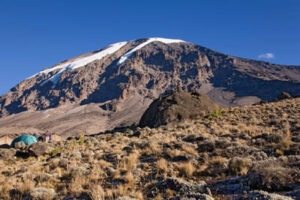
Most of those who visit Tanzania do so for one of two reasons- either to visit renowned game and marine locations, or alternatively to attempt to scale the tallest peak in Africa. Extending almost 6000 meters into the heaven, Kilimanjaro is both one of the tallest free standing mountains in the world, and one of the only peaks that can in fact be climbed by ordinary hikers.
Those wishing to reach the summit of the Shining Mountain, as it is called by the local population, will need to prepare for a challenging trip. Whilst Porters and guides will provide support and assistance to the best of their ability, ultimately it will be personal tenacity that will determine whether individuals reach Uhuru Peak or not. Slow and steady is the key to success, and climbers will grow accustomed to hearing their guides utter the words ‘Pole pole’, which from native Swahili translates to’slowly slowly.’
The cost of scaling Kili varies according to which route climbers wish to take, and the length of time they intend to spend on the mountain. Most tour packages include all Flights, food, guides, porters and accommodation both on the mountain and post/ prior to the climb. Not included are Visas, equipment, tips for porters and guides and spending money for extra food and beverages.
Frequently Asked Questions
Do I need a visa to travel to Tanzania for Kilimanjaro?
Yes, most travelers need a visa to enter Tanzania. Many nationalities can obtain a visa online through the Tanzanian Visa system before arrival. Some travelers can also get a visa on arrival at the airport, but it is safer to apply in advance. The visa usually allows stays of up to 90 days for tourism purposes. Make sure your passport is valid for at least six months beyond your planned entry date.
What is the best way to get to Kilimanjaro from the airport?
Most climbers fly into Kilimanjaro International Airport, which is the main gateway for the mountain. From the airport, you can take a pre, arranged transfer with your tour operator to Arusha or Moshi, where most treks start. The drive typically takes one to two hours depending on traffic and your final lodge. Using a tour transfer ensures safety and convenience, especially if you are carrying luggage for the climb. Some travelers also hire private taxis, but it is less common.
When is the best time to climb Kilimanjaro?
The best time to climb Kilimanjaro is during the dry seasons from January to mid, March and from June to October. These months offer clearer skies, less rain, and more comfortable trekking conditions. The summit is also more accessible and safer during dry periods. Climbing during the rainy seasons is possible but can be slippery and more challenging. Planning your trip around these dry months improves your chances of a successful climb.
Do I need vaccinations or health precautions before traveling to Tanzania?
Yes, some vaccinations and health precautions are recommended before visiting Tanzania. Common vaccines include yellow fever, hepatitis A and B, typhoid, and routine immunizations. Malaria prophylaxis is also advised for most areas, including Moshi and Arusha. It is important to consult a travel clinic or your doctor well before departure. Staying up to date on health precautions helps ensure a safe and healthy climb.
What currency and payment options are used in Tanzania for Kilimanjaro trips?
The official currency in Tanzania is the Tanzanian Shilling (TZS), but US dollars are widely accepted, especially for climbing fees and tours. Cash is necessary for tipping porters, guides, and other local staff. Credit cards are accepted at some hotels and lodges but not in remote areas. It is a good idea to carry a mix of cash and cards for convenience. Being prepared with the right currency ensures smooth transactions during your trip.
Still have questions?
Our local safari experts are happy to help you plan the perfect African safari.


