
The Local Weather conditions on Kilimanjaro can be somewhat unpredictable to say the very least. Precipitation varies from 2000 mm per year in the rainforest belt to less than 100 mm per year in the summit zone. Similarly, daily temperature fluxes are atypical when compared to normal weather cycles, and are largely dependent on Altitude.
The only real recommendation to climbers is that they avoid the rainy season, when visibility is bad and the mountain becomes slippery and treacherous. The long rains or Masika typically occur from February to May, while the shorter rains or Vuli occur during November and December. Ground water levels are generally at their highest between March and May.
Weather Conditions near the base of the mountain tend to be tropical to semi-temperate and are relatively stable all year round. The lower plains are hot and dry with average temperatures of around 85 degrees Fahrenheit. As one heads away from the Lower Plains towards the Rain Forest, conditions become increasingly warm and humid. Due to incredibly high moisture levels, it is not uncommon to see a band of fine clouds hovering over the treetops of the rainforest, giving it an almost eerie and surreal appearance.
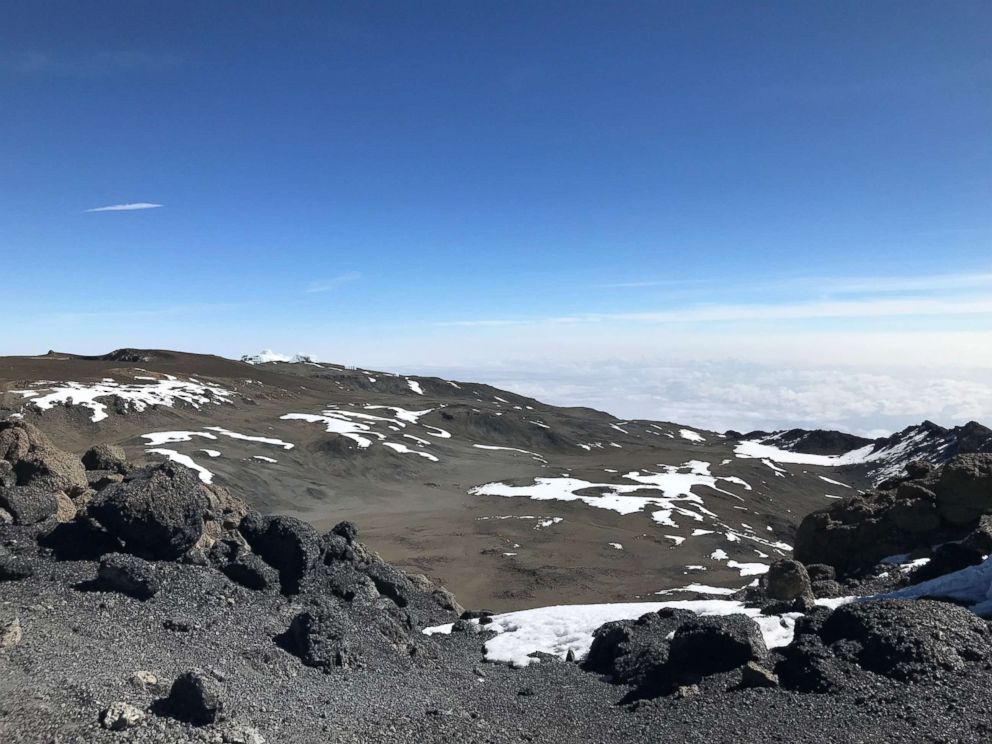
Higher up the mountain, temperature extremes tend to be far more drastic and the variation between daytime and night time temperature becomes more and more apparent. In the heath and moorland area evenings are frosty and cold, whilst scorching daytime temperatures are typical of what one would expect from a country bordering the equator.
By the time one reaches the summit area of Kilimanjaro the air is icy and dry and temperatures are well below zero. Despite the chill in the air, African sun still nevertheless continues to beat down relentlessly. The extreme heat caused by the sun’s radiation causes the air pressure to drop and moisture to literally to be sucked from the clouds below.
Most climbers end up sleeping in every item of clothing they possess, including hats and gloves on the night prior to summiting. Ironically enough however, prior to making the final push towards Uhuru Peak, individuals are advised to don a pair of shorts and a T-shirt beneath their heavily padded climbing gear. This is to ensure that they do not overheat; such is the vast temperature fluctuation during the decent.
Frequently Asked Questions
What kind of weather can I expect at the base of Mount Kilimanjaro?
At the base of Mount Kilimanjaro, the weather is generally warm and tropical. Temperatures in the rainforest zone range from 20°C to 30°C during the day. Rain is common, especially during the wet seasons, so waterproof clothing is essential. Humidity can also be high, making the lower sections feel hotter than they actually are. Early mornings and evenings are cooler, so a light jacket is helpful.
How does the weather change as I climb Kilimanjaro?
As you climb higher, the temperature drops significantly and the air becomes thinner. In the moorland and alpine desert zones, daytime temperatures can be around 10°C to 20°C, while nights can be near freezing. Weather conditions can change quickly, with sudden rain or strong winds possible. The higher you go, the more extreme the weather becomes, especially near the summit. Layering your clothing is essential to adapt to these changing conditions.
What is the weather like at the summit of Kilimanjaro?
At the summit, the weather is very cold and often below freezing, even during the day. Nighttime temperatures can drop to , 10°C or lower, and strong winds are common. Snow and ice are present on the peak, especially on Kibo’s crater rim. The sun can feel intense at high altitude, so sunscreen and sunglasses are important. Summit conditions require warm, windproof, and layered clothing to stay safe and comfortable.
When is the wet season on Mount Kilimanjaro?
Mount Kilimanjaro has two main wet seasons: from March to May and from November to mid, December. During these months, the rainforest and lower slopes can be very muddy and slippery. Rain showers can occur unexpectedly, so waterproof gear is essential. Climbing during the wet season is possible but more challenging. Many trekkers prefer the dry months for safer and clearer trekking conditions.
How should I prepare for Kilimanjaro’s unpredictable weather?
It is important to be ready for a wide range of temperatures and conditions on Kilimanjaro. Bring layered clothing, waterproof gear, and warm accessories like gloves and a hat. Check daily weather forecasts before and during your trek. Be prepared for sudden changes, including rain, strong winds, and cold temperatures at high altitude. Proper preparation ensures you stay safe, comfortable, and able to enjoy the climb.
Still have questions?
Our local safari experts are happy to help you plan the perfect African safari.


