
Before climbing Mount Kilimanjaro, you must understand that it will be physically demanding, so preparation is key to ensuring you not only enjoy your climb, but you see it through to the end without injury or sickness. Being in good health and fitness is important. As you will be walking up and downhill for long periods, it would make it easier for you if you have strong, conditioned legs. To function better with less oxygen, aerobics is a great place to start your training. Being fit will ensure your body is able to withstand the strain and stress of hiking and camping for several days.
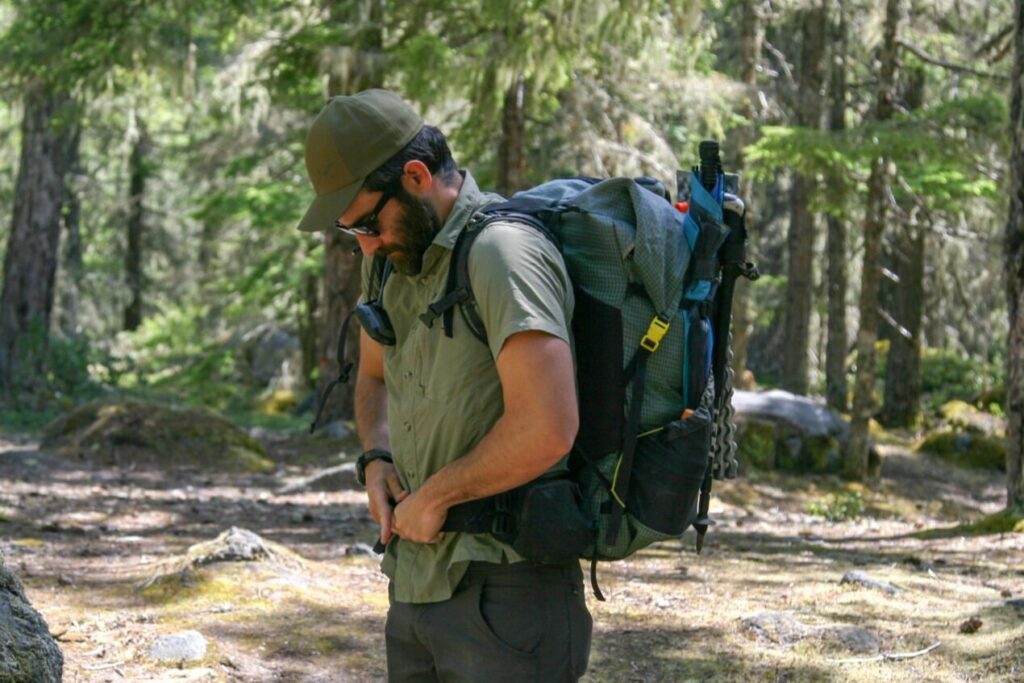
The difficulty of climbing Mount Kilimanjaro is hard to determine for each individual as this would depend on each specific person who undertakes the climb. Some people who have not done much training have done very well, where as other climbers who have undertaken a strict training program and diet have struggled with the altitude in a few days. Marathon runners who are in fantastic shape have reported that Climbing Kilimanjaro is one of the hardest things they have ever done, so its hard to know how you will personally cope. The advice we can provide you is train adequately and get in the best shape you can before your hike.
Hiking is the best method of exercise for Mount Kilimanjaro
There are many other websites that advise to take part in a excessive training program, but we see this as unnecessary to prepare yourself for climbing Kilimanjaro in a sufficient manner. Instead of strict training which would include hiking, running, biking, swimming, weight training and so on, its best if you concentrate on the hiking alone, after all, thats what you will be doing. Try to hike as much as possible, whether this be on hills, mountains, extended walks or a stair master machine at your local gym if you dont have access to any trails. This is the most productive way to prepare or train for your climb.
Start your training 2 months before climbing Kilimanjaro
If you are new to climbing/hiking, your training treks should be shorter, with no weight (in your pack) and at a slower pace. As your training progresses, you can increase the above as you improve your fitness level to prepare yourself more efficiently without finding the process hard. You must remember that when climbing Mount Kilimanjaro, there will be long periods of slow walking and you will be carrying 15lbs or less within your day pack. So, when your training its best to increase your walking distance at a slow pace, rather than increasing your walking pace. Aim to train between 2 to 3 times per week and your walking sessions should be no less than 1 hour.
Around 4 to 5 weeks before your climb, try to ensure you do your longest or hardest workouts. Within the last couple of weeks, you should calm down your training, then in the last week, ensure to rest your body and give it time to repair and recover before you actually start your Climb on Mount Kilimanjaro. You can also supplement your training with cycling or running which will help to increase your fitness further.
Its important that during your training for climbing Kilimanjaro, you wear the climbing boots that you will use for the actual climb. This will ensure that your boots are much more comfy and are broken in. This prevents blisters and makes it easier for you to walk long distances over long periods, whether that be up or downhill. Its also a great idea to get used to the weight and points of contact of your day pack when training, this will minimise soreness or chafing when on the actual climb.
Last on the list is your diet. An unhealthy diet will make it much harder for your body on Mount Kilimanjaro, so its not just about how fit you are and how much you train. If your lifestyle is unhealthy, make a change! Eat more veggies and fruit, reduce red meat, stop drinking and smoking and most of all, get plenty of sleep.


