Table of Contents
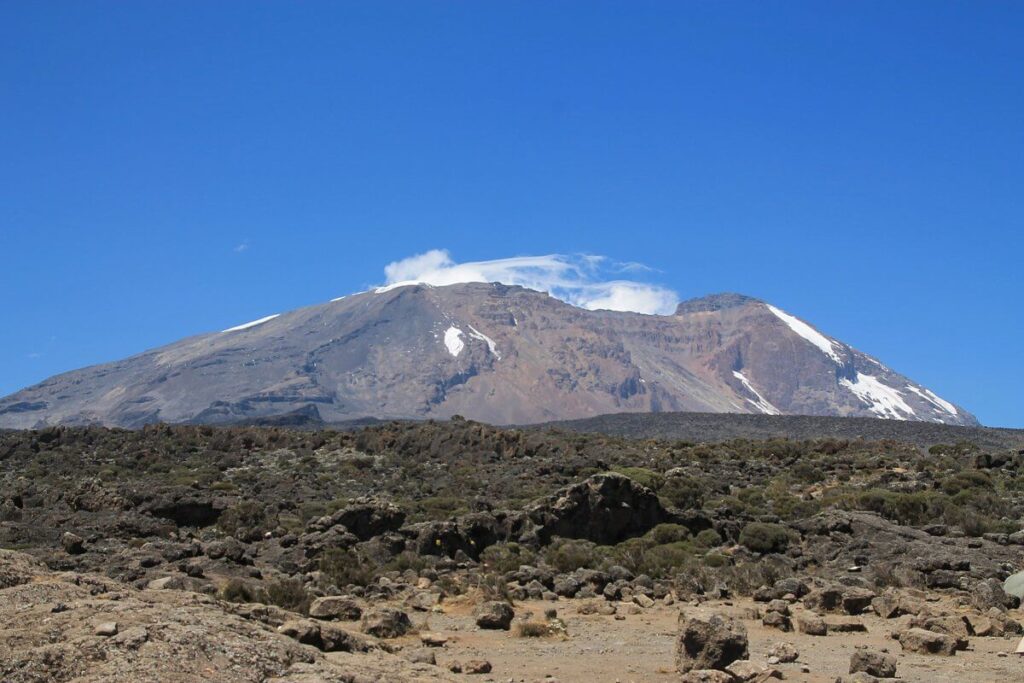
Famous known as the Roof of Africa. Trekking Mount Kilimanjaro is yet another unique mountain adventure to an amazing and tallest mountain in Africa, not enough but the tallest free-standing mountain in the world which means this mountain is not placed on the series of other mountains.
Trekking Mount Kilimanjaro is not just going on a hiking trip but the experience, landscapes, weather, and how dramatic the climb is, it’s like Mountain Zion at which the Ten Commandments were given to Moses by God. It is a lifetime adventure not to miss.
Mount Kilimanjaro Uniqueness
There are many articles and studies regarding this majestic mountain but one of the uniqueness of Mount Kilimanjaro is that there are still animals that are surviving around the area (Kilimanjaro National Park) of Kilimanjaro.
For example on the west side of the mountain bordered by Kenya, you can spot eland antelope if lucky and on the east where the Rongai route is, trekkers can also see buffalos if lucky. There are also still different small animals like Dik-Dik, Red forest duikers as well as bird species like white neck raven, pigeon or dove, alpine chat/moorland chat, and many more.
Best Way to Climb Mount Kilimanjaro
In order for trekkers to reach Uhuru peak, they need to have enough knowledge about the best way to trek this mountain. I have mentioned tips below to help you trek Kilimanjaro with no hustle. Kilimanjaro is not a difficult mountain to climb but for it to be easy for you to climb then you need to understand the elevation change which may help you to avoid any sickness which you may encounter due to Mountain Altitude. This kind of sickness is called AMS (Altitude Mountain Sickness) which is common along Kilimanjaro mountain. Below are some of the sicknesses you may face while trekking Kilimanjaro.
Drinking water during the climb of Mount Kilimanjaro
To get your trek to keep going while on Kilimanjaro you need to take more fluid/water than you lose it. While trekking Mount Kilimanjaro it is common to sweat due to long walking together with the heat during the day, obvious you will lose water.
We encourage trekkers to take 5 liters of water per day, 3 liters of water by drinking from your bottle, and 2 liters you can get through the liquid food that you may be eating during mealtime. On Kilimanjaro, we encourage fluid food to help you avoid dehydration. When you lose water in the body can lead to a decrease in oxygen and hence sick.
High Altitude Cerebral edema
A process of losing oxygen in the brain. This may happen as you go at a high altitude during your Kilimanjaro trek. The guides will have to have the oximeter to measure your oxygen level every time when you are not feeling well and every evening before you sleep. It is very important to use this measure during your Kilimanjaro trek.
One of the symptoms of this sickness is loss of memory, you can sometimes forget where you are or even your name. Another symptom is losing balance when you walk, you can even not manage to follow the trail path due to lack of balance. If any of this happens to you ask your guide to give you the oxygen cylinder and descend down immediately.
High Altitude Pulmonary edema
Another AMS. This can be caused by a lack of oxygen in the lungs due to high altitude while trekking, The best way to know its symptoms is by listening to the sound of your breath. If the breath is coming out with a sound especially when you are walking then just know that can be symptoms of High Altitude pulmonary edema. You can share with your guide and he will help you with the oxygen cylinder or tell you the right thing to do.
What may lead you not to climb Kilimanjaro and reach Uhuru Peak
Another thing that can hinder your trekking could be Asthma. Normal asthma can be okay to trek Kilimanjaro with and of course if you have the right equipment to treat it then that can be possible but the Asthma that is extreme can lead you not to get enough oxygen and hence prevent you to continue with the trek.
Obesity that is also extreme can be another problem during the trek as well as the heavy body. Trekking Kilimanjaro needs to go with time and once you have this problem and slower you during walking then it can be a problem which might lead to not reaching the peak or campsite at a right time.
The main thing that can let you not manage to hike Kilimanjaro could be a bad severe surgery which may limit you not to go on a high altitude trek and another reason could be physically unfit which may let you not being able to walk properly while trekking. Since this trek is all about walking you will need to be fit.
Above all, it is important to visit a medical doctor back home before your departure and also use the medicine that was assigned to you by the doctor for Altitude Mountain Sickness.
Age Limit for Climbing Kilimanjaro
The age limit for young ones to climb Kilimanjaro is 12 years old even though recently year. kid of 6 years old summit Uhuru peak which made to be a world record for the young ones to summit the mountain and there is no maximum age limit for old ones as long you are physically fit then you are fit to trek Kilimanjaro and trekkers must have all the necessary documents i.e passport also must have the national park permit and you must be accounted by a crew of team who will escort you to the Uhuru pick. And you must be mentally fit as well to trek Mount Kilimanjaro.
Food/Meal while trekking Mount Kilimanjaro
There is a diet that should be followed when trekking Mount Kilimanjaro. The popular type of food which are normally used during trekking are carbohydrates, vegetables, and fruits.
You will always be surprised by different types of delicious food on your table made by the best mountain chef. From the beginning of the trek, you will eat more carbohydrate food, first because you need energy and second because you still have an appetite for eating hence it’s important to eat enough during the first days of your trek.
Type of food you will get at the beginning of the trek are potatoes, pasta, and rice on the way you will have snacks or take your trek snacks and the more you go higher the more you will have liquid food to increase water in your body. In summary, you will be given different types of food depending on each vegetation zone along the Kilimanjaro mountain.
Before starting your trek it is best to communicate with your guide or chef regarding what you wish for your meal i.e vegetarian or nonvegetarian or halal. This will help them prepare the best menu for you.
Which Route to take on Kilimanjaro Mountain
The most common thing to know before climbing Mount Kilimanjaro is which route to take. Either the Marangu route or Rongai Route on the Eastern side of the Mountain and the Machame, Umbwe, Shira, and Lemosho route on the western side. All the routes are for camping except the Marangu route where you will be staying in the mountain huts. The minimum number of days to climb Mount Kilimanjaro is 5 days on the Marangu route and the maximum is 9 days on the Northern Circuit Route.
At Kilimanjaro ASAP, Your safety is our priority
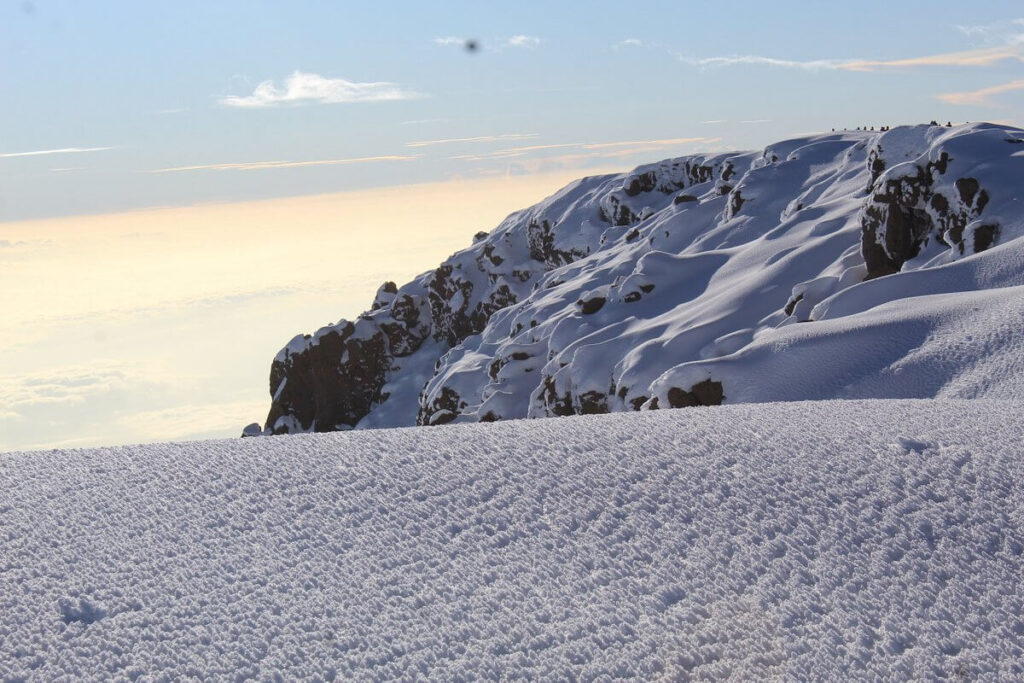
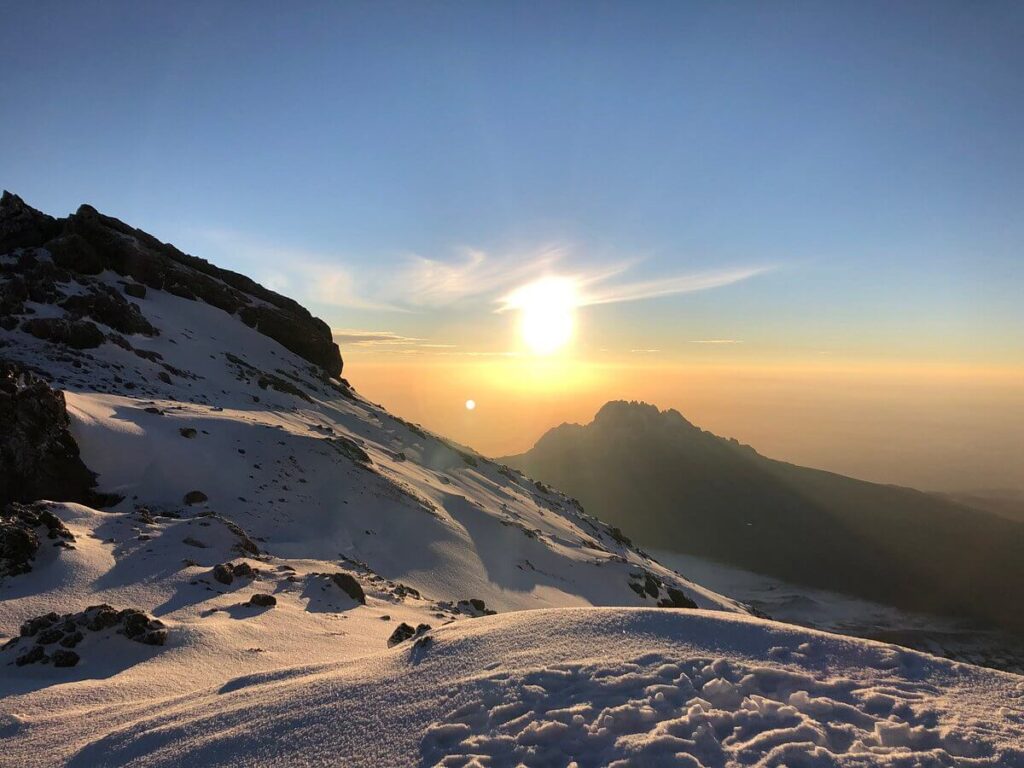
The hardest part and most dangerous is on the summit of Uhuru Peak where during the wet season March to April can be covered with too much snow and not being able to see the trail path, at this time if you try to ski or walk on the wrong path (if you do not have an experienced guide) then that can lead to loss of life by falling into rocks or crater and also in case you will come across some of the sickness (AMS) mentioned above and not take precautions or cure then that can lead to loss of life as well. Contact us for the best team of guides who can take care of you and reach Uhuru Peak while safe.
There is no exactly specific number of people who die while trekking Mount Kilimanjaro but in case of emergency during the trekking, our guides at Kilimanjaro ASAP will have the oxygen cylinder tube which they can use while they do a quick descending down which will help you feel good and back to your normal condition hence save lives.
Frequently Asked Questions
How early should I start preparing for a Kilimanjaro trek?
It’s best to start preparing at least two to three months before your trek. This gives you enough time to build stamina through regular walking, hiking, or cardio workouts. Even simple habits like taking the stairs or going on weekend hikes can make a difference. Preparation isn’t just physical, it also helps you feel more confident mentally. The more ready you are, the more you’ll enjoy the experience.
Why is acclimatization so important on Kilimanjaro?
Acclimatization is one of the biggest factors in whether you reach the summit. The higher you go, the less oxygen your body gets, which can lead to altitude sickness. Choosing a longer route helps your body adjust gradually. Going slowly and listening to your guide’s advice can make a huge difference. Many trekkers say “pole pole” (slowly, slowly) is the real secret to success.
What should I pack for the trek?
Packing the right gear can make or break your Kilimanjaro experience. You’ll need warm layers, waterproof clothing, and comfortable hiking boots. Temperatures can range from hot at the base to freezing at the summit. Don’t forget essentials like a headlamp, gloves, and sunscreen. Renting gear is also an option if you don’t want to buy everything.
How important is choosing the right tour operator?
Choosing the right operator is extremely important for both safety and enjoyment. A good company provides experienced guides, proper equipment, and fair treatment for porters. Cheaper options may cut corners, which can affect your safety and overall experience. Reading reviews and asking questions before booking is always a smart move. A reliable team can truly make your trek smoother and more enjoyable.
What mindset should I have before starting the trek?
Having the right mindset is just as important as physical fitness. Kilimanjaro is a slow journey that requires patience and determination. There will be moments when you feel tired or doubt yourself. Staying positive and taking one step at a time really helps. In the end, it’s not just about reaching the summit, but enjoying the journey along the way.
Still have questions?
Our local safari experts are happy to help you plan the perfect African safari.