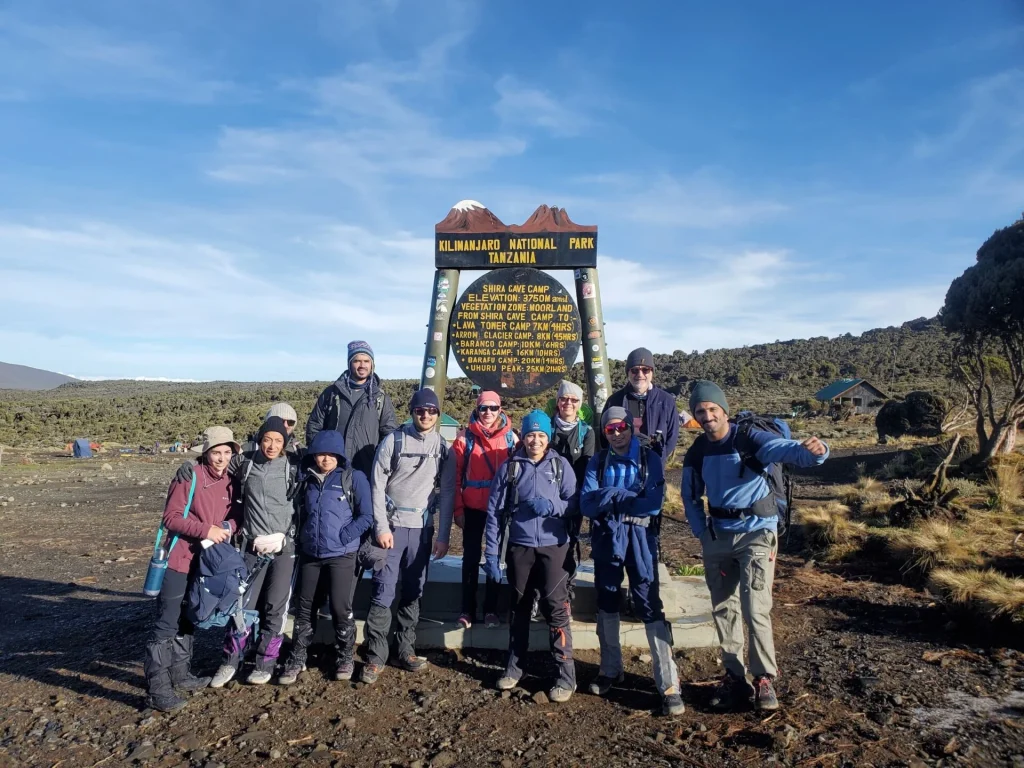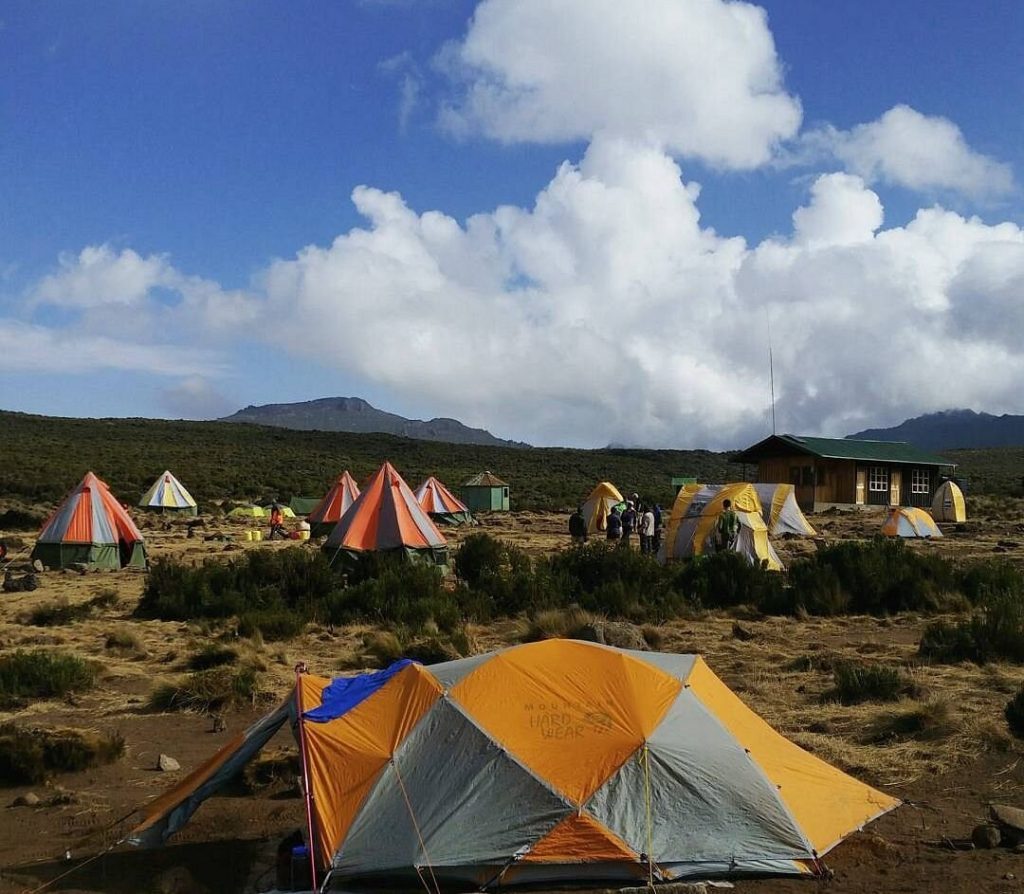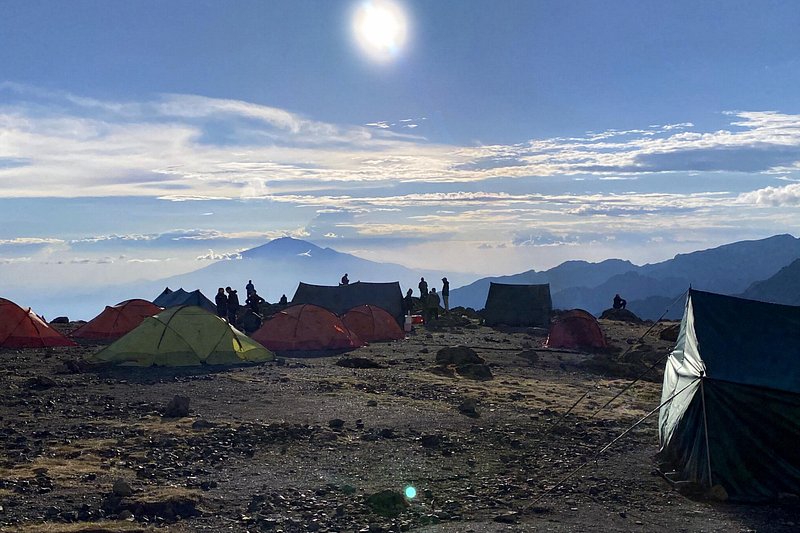
When you arrive in Kilimanjaro region you will no doubt be greeted with warm smiles and the word Karibu which means welcome in Swahili. This means that you will have come in with the Chaga people of Kilimanjaro.
The Chagga tribe are the third largest ethnic group in Tanzania and they like most Tanzanians speak Swahili which is a Bantu language. The Chaga (as they are also known) are traditionally farmers who cultivate crops such as millet, plantains, bananas and coffee. They are also one of the richest tribes thanks to their cultivation of the fertile lands of Kilimanjaro.
When you go to Tanzania to climb Mt Kilimanjaro you will get to know some of the Chaga tribe very well because they make excellent porters having not only grown up trekking the mountain but having also developed the art of carrying on the head. Today you will find Chaga people doing all types of work from administration to engineering because the Chaga are known to be hard working and industrious.
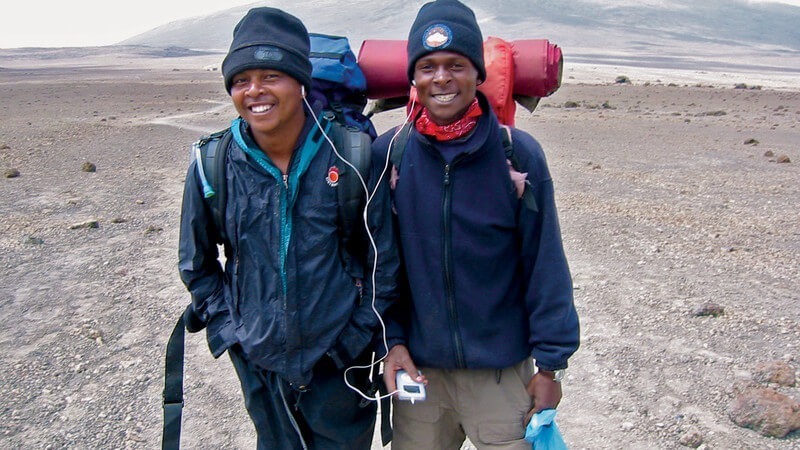
In the past the Chaga tribes were split up into chiefdoms and Mount Kili became a trading pass, so who better to guide you and support you on your trek to the summit than the ancestors of the original tribes! No one knows this mountain better than the people who grew up living in its shadow. A lot of the porters on Kili hail from the Chaga people and are proud to continue working on the mountain of their ancestors. They will go to great lengths to ensure your climb is safe and successful because they have such a strong work ethic.
As you climb ‘pole, pole’ up the mountain, your porters will pass you carrying your heavy burden, and as you reach your camp they will have set up your tents and prepared your feast. When you feel like giving up or you are struggling with each step you take, the porters and guides are there with you every step of the way because they want nothing more than to see you succeed in your goal of reaching the summit in the safest way possible.
The Chaga are an important part of Kilimanjaro history and the porters of today are an invaluable group who make your trips to Kilimanjaro and the National Parks possible. So when you meet a porter or guide on your trekking trip in Tanzania, Chaga or not, you can rest assured they’re a pretty special person because they are simply there to assist you.
Frequently Asked Questions
Who are the Chaga people?
The Chaga are one of the largest ethnic groups living on the slopes of Mount Kilimanjaro. They have lived in this region for centuries and are known for their agricultural skills and strong community traditions. Their culture is deeply connected to the land, with farming playing a central role in their daily life. The Chaga are also known for their hospitality and rich storytelling traditions. Visitors to the region often admire their resilience and vibrant culture.
What are the main livelihoods of the Chaga people?
Farming is the backbone of Chaga life. They cultivate crops like bananas, coffee, maize, and vegetables using innovative irrigation and terracing methods. Coffee from the Kilimanjaro region is famous worldwide, thanks in large part to the Chaga’s expertise. Some families also keep livestock to supplement their income. This connection to the land has shaped both their economy and culture over generations.
What role does culture and tradition play in Chaga society?
Traditions guide daily life, celebrations, and social responsibilities among the Chaga. Music, dance, and storytelling are central to passing down history and values. Ceremonies mark important life events like births, marriages, and harvests. Respect for elders and community cooperation are key cultural pillars. These traditions help preserve identity while fostering strong social bonds.
How has modern life affected the Chaga people?
While many Chaga continue farming, modern education and urban migration have introduced new opportunities. Younger generations often combine traditional skills with formal jobs or businesses in nearby towns. Tourism around Kilimanjaro also provides income and new experiences. Despite these changes, many Chaga communities strive to maintain cultural practices and ancestral knowledge. It’s a balance between progress and tradition.
Why are the Chaga people important to the Kilimanjaro region?
The Chaga are central to the region’s economy, culture, and history. Their farming techniques sustain local communities and contribute to global coffee markets. They also play a key role in guiding and supporting tourism on the mountain. Their knowledge of the land, weather, and environment is invaluable for both locals and visitors. Ultimately, the Chaga embody the human connection to Kilimanjaro’s slopes, combining tradition, resilience, and hospitality.
Still have questions?
Our local safari experts are happy to help you plan the perfect African safari.