
Top 6 Tips For A Successful Climb Of Mount Kilimanjaro Top of Africa
If you are considering climbing Africa’s highest peak, Mount Kilimanjaro, you need to be prepared. These are our top five tips for a successful climb of Mt. Kilimanjaro. This advice is derived from own personal experience and that of previous clients. Apply these tips to give you the best possible chance of success on climbing the mountain.
Choose the correct route
There are officially seven routes up Mt. Kilimanjaro. However, I only recommend two of those. One of the most significant problems for climbers on Kilimanjaro is people try to go up the mountain way too quickly, not allowing themselves the necessary time to acclimatize to the low levels of oxygen.
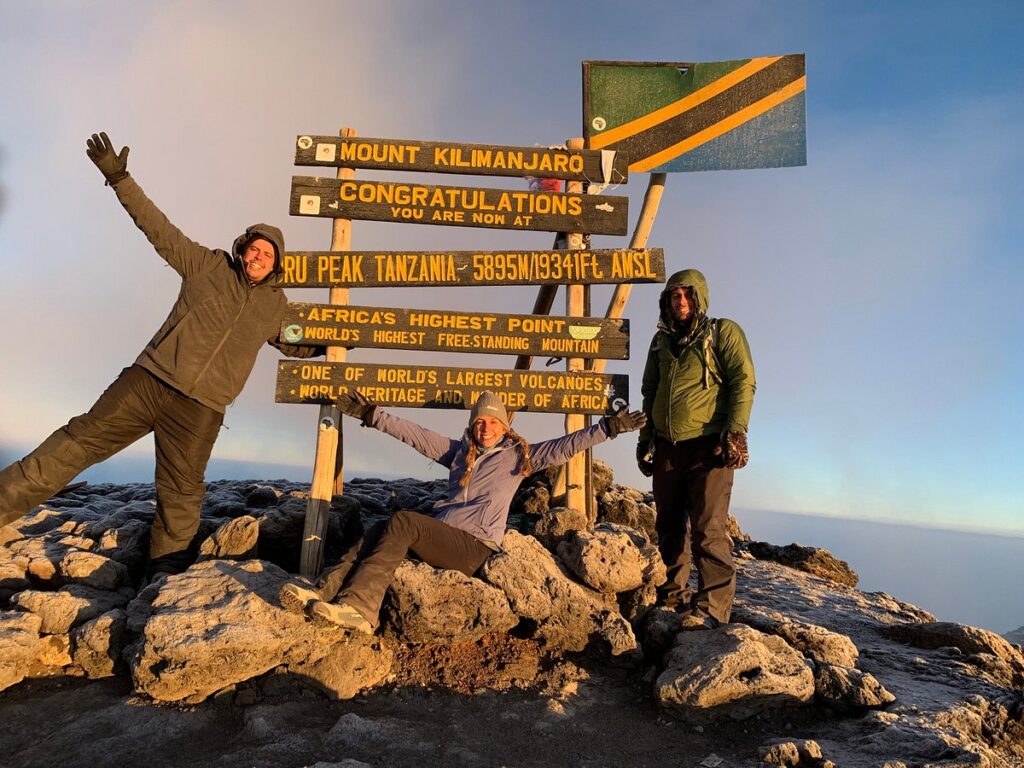
I would never set foot on Kilimanjaro on less than a 7-day trek and eight days is best. At 5,895 m (19,341 feet), Kilimanjaro’s summit is at a high level of altitude and one not to be underestimated. The reason many people choose a shorter trek on Kilimanjaro is due to the costs associated with longer excursions.
For each extra day you spend on the mountain, the cost increases. However, when you are signing for an adventure like this, in my mind, I would do everything possible to be successful and thoroughly enjoy my time on the mountain. If you do not reach your goal because you wanted to save a couple hundred dollars/pounds and only make a five-day trip, it will cost you a lot more to come back to Tanzania to try again.
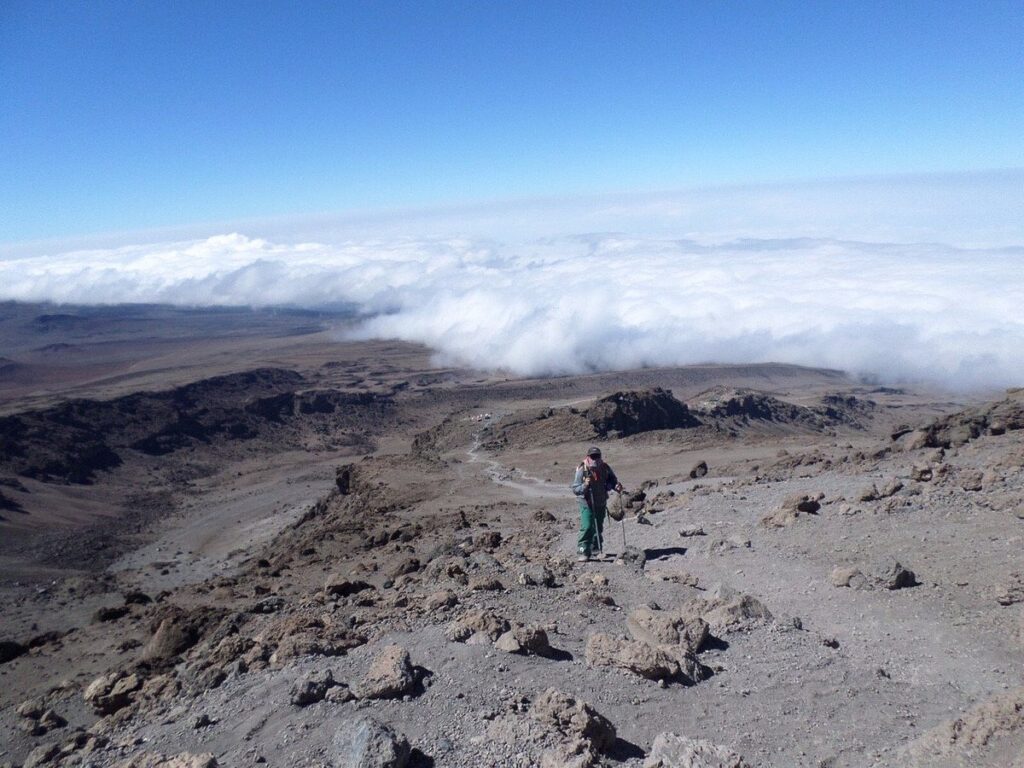
So, in my opinion, take the 7 or 8-day trip up either the Lemosho Route or Machame Route. Please contact the team, and we will be able to help advise you what is the correct route for your needs.
Take your time – It is not a race
When taking on a challenge like climbing Kilimanjaro, or any other long trek/climb or climb for that matter, you have to remember that it is comparable to a marathon, rather than a sprint. Acclimatization to the low levels of oxygen requires you to take your time, to get your body used to the lack of oxygen. This is vital to a successful climb to the summit. Under no circumstances, during your time on Kilimanjaro, you should walk at a fast pace.
During most of the trek (excluding summit night), ideally, you will walk at a pace that you can easily carry on a conversation, without feeling overexerted. There are challenging sections throughout the trek where you may need to stop talking and catch your breath. On summit night, this changes somewhat. Although you still walk at a slow pace, making sure you take a rest step after each step, it is very unlikely that you will have enough energy or adequate breath to make conversation.
During my advance to the summit of Kilimanjaro, I remind myself to take deep breaths with each step – breathing in through the nose and exhaling through the mouth. This kept my pace at a regular speed and kept my mind focused on getting the much-needed oxygen necessary to succeed. The end goal is to get to the top of Africa.
Bring some home comforts
For many people, including myself, it can be tough to eat at altitude. Even with all of the physical energy you are exerting, for some reason, food does not always sound good when you are at a high altitude. I highly recommend you bring some home comforts that you like to eat to give you energy. For many trekkers they prefer Haribos or chocolate. The main thing to remember regarding this is that you are burning a TON of calories while trekking on Kilimanjaro and your body needs to replenish these calories if you want the best possible chance of succeeding. It is so important to eat, whatever it may be, to get in these much-needed calories.
Drink water
If there is one tip that I can give you while on the mountain, it is to make sure that keeping hydrated is one of your top priorities. At higher levels of altitude, your body will dehydrate much quicker than it does at sea level, and you will have to make sure you are drinking plenty of water. I would recommend that you are drinking around five litres of water throughout the day while on the mountain. Immediately begin drinking at the start of the day. Drinking five litres of water a day can be daunting to many, but I find it to be essential to people’s success on the mountain.
Physical Training
If you are seriously intending to climb Mount Kilimanjaro, then you will need to do some physical preparation before traveling to ensure that the climb is an enjoyable event rather than a tortuous slog. Reaching Uhuru Peak, the summit of Mount Kilimanjaro, is well attainable by most people of normal fitness levels, but the fitter and more prepared you are, the easier and more enjoyable it will be. Your ability to acclimatize will also depend heavily on how fit you are.
Training for your climb of Mount Kilimanjaro should commence no later really than 8 weeks before your date of departure to give yourself the best opportunity to build up stamina, strength and fitness. By the time you arrive in Tanzania, you should be capable of walking between 4 and 6 hours a day with a small rucksack on your back.
Kilimanjaro Tours recommend that you train using the boots and rucksack you intend wearing and carrying on your climb of Mount Kilimanjaro so that you are comfortable using them.
All aerobic activities such as walking, running, swimming and cycling are great training methods, but the best preparation for the trek ahead is to get out walking, especially in the outdoors, up and down hills. Covering distances over gradients will help to prepare your legs and muscles for the climb. If you have access to a gym or fitness instructor, you should be able to consult them for more personalized training programs to prepare you for your climb of Mount Kilimanjaro.
As always, before embarking on any training or fitness program, Kilimanjaro Tours would recommend that you consult your own GP regarding any potential health issues you may have that might affect your ability to train.
Have fun – it is a holiday
On the most important things to remember is that you are on vacation, so relax, have an open mind, and enjoy yourself! There is always a lot of spare time when on a trekking trip to Kilimanjaro. You will walk anywhere from 4-6 hours a day, except for summit day which is approx 12-14 hours, and therefore have plenty of time when you arrive at camp to relax, rest, and have a laugh with your fellow trekkers. It is essential to have this opportunity throughout your journey as it helps to keep you confident and relaxed, instead of nervous and tense. I found playing card games, and taking photos helped me relax and remain focused for the next day.
Frequently Asked Questions
What is the most important tip for a successful Kilimanjaro climb?
The golden rule is to go slowly and pace yourself from day one. Many climbers fail because they rush and don’t give their bodies time to adjust. Following your guide’s pace may feel too easy at first, but it’s intentional. Conserving energy early helps you stay strong for summit night. In the end, slow and steady truly wins the race on Kilimanjaro.
How can I prepare physically for the climb?
Training before your trip makes a huge difference in your overall experience. Focus on cardio exercises like hiking, running, or cycling to build endurance. Strength training for your legs and core will also help with long trekking days. Try practicing hikes with a backpack to simulate real conditions. Being physically prepared allows you to enjoy the journey instead of struggling through it.
Why is acclimatization so important for success?
Acclimatization helps your body adapt to lower oxygen levels at higher altitudes. Choosing a longer route increases your chances of reaching the summit safely. Techniques like “climb high, sleep low” support better adjustment. Ignoring acclimatization can lead to altitude sickness and force you to turn back. Giving your body time to adjust is one of the smartest strategies for success.
What should I pack to improve my chances of success?
Packing the right gear keeps you comfortable in changing weather conditions. Proper hiking boots, warm layers, and a good sleeping bag are essential. Don’t forget items like a headlamp, gloves, and a waterproof jacket. Small comforts, like snacks and lip balm, can also boost morale. Being well, prepared helps you stay focused on the climb rather than discomfort.
How important is mindset during the climb?
Your mindset can be just as important as your physical fitness. Staying positive and determined helps you push through tough moments. There will be times when you feel tired or unsure, especially near the summit. Remembering why you started can give you the motivation to keep going. A strong, focused mindset often makes the difference between turning back and reaching the top.
Still have questions?
Our local safari experts are happy to help you plan the perfect African safari.


