
When you first enter Arusha, the first awesome sight to greet you is the magnificent peak of Mt Meru that forms a fabulous backdrop to this bustling town.
Ash Cone – Mount Meru Tanzania’s second highest mountain, this beautiful, dormant volcano stands at 4566m (14,945ft) forming a majestic backdrop to the city of Arusha in northern Tanzania. Meru lies between Kilimanjaro to the east and Oldo inyo Lengai and the Great Rift Valley to the west. Mount Meru is situated in the Arusha National Park; it is a stratovolcano with an explosive history: it has had four recorded eruptions, the last of which is thought to have occurred in 1910.
Treks up this mountain are arranged via Momella Gate, and treks can take 3 or 4 days to the summit, offering beautiful views over the surrounding park, city and its much larger neighbour Kilimanjaro. The mountain plays an important part of the life of Arusha town, providing the water and climactic conditions that make the town so habitable.
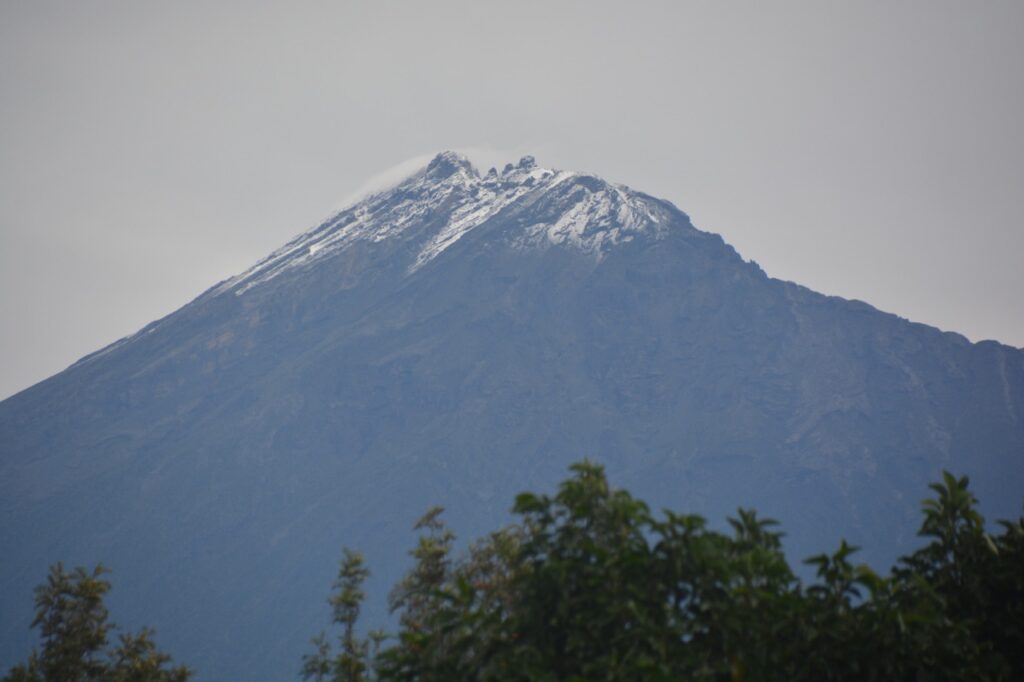
The trek up the mountain is through a rainforest covered with lichens such as Old Man’s Beard, at the base followed by alpine desert and volcanic scree. The ascent is quite steep, the route to the summit passes over streams, through parkland, montane forest, a giant heather zone and moorland. The summit is reached by a narrow, barren ridge, which provides stunning views of the Ash Conelying several thousand feet below in the crater. Weather permitting, Kilimanjaro can be seen in the West. There are two huts available to climbers on the mountain and stove is supplied. The best time to climb Meru is between October and February, or June to September. No treks are conducted in the rainy season between April and May or November as it is treacherous.
View of Summit from Little Meru on the northern and eastern sides is the huge crater, encircled by 2000 ft high sheer cliff walls. The core of the volcano itself rises from the floor of the crater in a grey, grim cone.
The route to the summit passes through parkland, montane forest, a giant heather zone and moorland. Finally, the summit is reached by a narrow, barren ridge, which provides stunning views of the Ash Cone lying several thousand feet below in the crater and Kilimanjaro in the background. Over 400 species of birds, giraffe, elephant, buffalo, baboon, warthog, black and white Colobus monkey and duiker are all found in this delightful “gem amongst parks”. The visit to the Ngurdoto crater and Momella lakes, with their superb scenery, flamingoes and other wildlife, is an unforgettable experience.
The group will be accompanied on Mount Meru by a guide, armed ranger and porters. Accommodation on the mountain is in uniport huts. The summit of Meru can be reached over 3 days or 4 days.
Frequently Asked Questions
Why is Mount Meru called “The Black Mountain”?
Mount Meru is often called “The Black Mountain” because of its dark volcanic ash and rich, fertile soil that give it a deep, almost black appearance from a distance. The mountain is an active stratovolcano, and its past eruptions have shaped its rugged landscape. The dark color stands out especially during sunrise and sunset when the light hits the slopes. This unique look makes it visually different from nearby peaks. It also adds to the mystery and beauty that attracts trekkers.
What makes Mount Meru special compared to Mount Kilimanjaro?
Mount Meru is smaller than Mount Kilimanjaro, but many climbers say it offers a more adventurous and wild experience. The trails are less crowded, which makes the trek feel more peaceful and personal. You also walk through Arusha National Park, where you can see wildlife like giraffes, buffalo, and monkeys along the way. The climb includes dramatic crater views and narrow ridges that add excitement. For many people, it feels more like a true wilderness adventure.
Is climbing Mount Meru a good preparation for Kilimanjaro?
Yes, climbing Mount Meru is often considered excellent preparation for Mount Kilimanjaro. It helps your body adjust to higher altitudes before attempting the taller peak. The trek also builds stamina and confidence, especially for multi, day hikes. You experience similar conditions such as cold temperatures and long walking hours. Many climbers use Meru as a warm, up before taking on Kilimanjaro.
What kind of scenery and wildlife can you expect on Mount Meru?
Climbing Mount Meru offers a rich mix of scenery and wildlife that makes the journey unique. The lower slopes pass through forests where you may see giraffes, zebras, and various bird species. As you go higher, the landscape changes to moorlands and rocky terrain. The crater, ash cone, and views of surrounding plains create dramatic scenery. On clear days, you can even see Mount Kilimanjaro in the distance.
What is the highlight of reaching the summit of Mount Meru?
The main highlight of climbing Mount Meru is reaching Socialist Peak, the mountain’s summit. Most climbers arrive at sunrise, which offers breathtaking views over the crater and surrounding landscapes. The sight of the sun rising above the clouds is truly unforgettable. You can also see the silhouette of Mount Kilimanjaro in the distance, which adds to the experience. It is a rewarding moment that makes all the effort worthwhile.
Still have questions?
Our local safari experts are happy to help you plan the perfect African safari.


