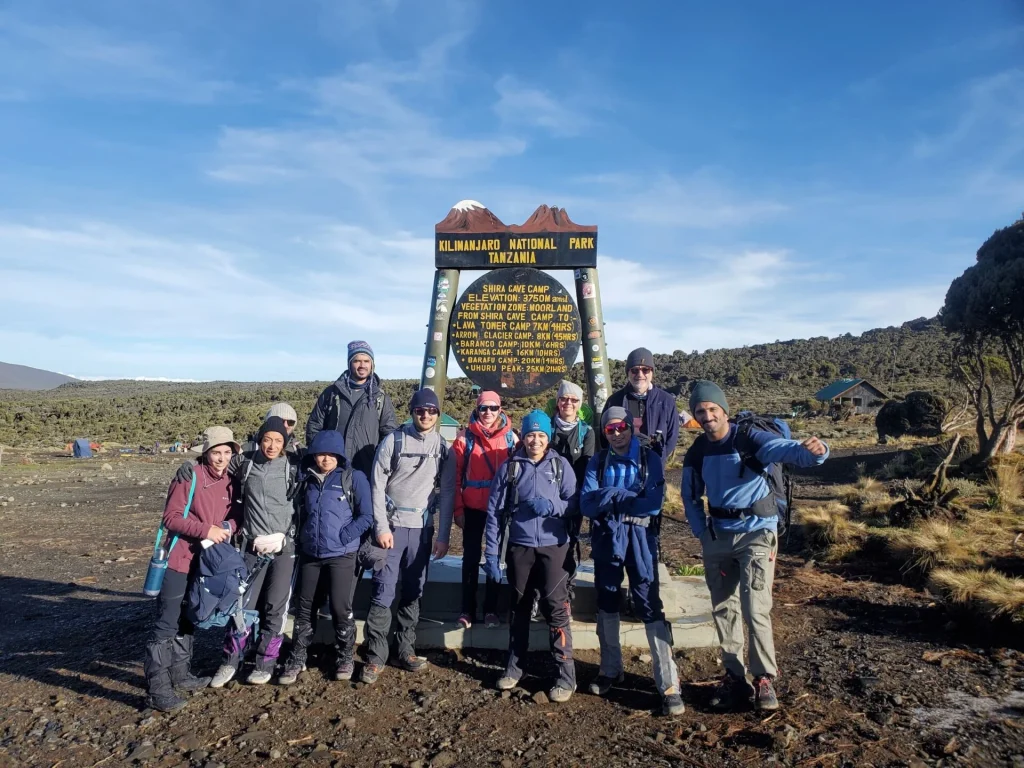
Climbing Kilimanjaro is an experience that will, without doubt, stay with you for a very very long time. Many people have told us their climb has been a life-changing experience; some say it is the most difficult thing they have ever done; and some have been drawn back to do it all over again. But no-one we have ever taken up the mountain has said it was easy!
Climbing Kilimanjaro is essentially a high altitude trek, albeit uphill. By that I mean that none of the routes are technical climbs, but there are certainly short sections where you may have to scramble over large rocks, such as at the Barranco Wall. And there are areas of scree particularly near the top of the crater, which can be pretty tough as you take two steps forward and the scree slips and you move one step back. The amount of scree and rock scrambling varies with the route you take.
On the whole, though, you are walking along a pretty reasonable path. There are long uphill sections; quite a bit on relative flat ground as you cross the Shira Plateau or the Saddle between Mwenzi Peak and Kibo Peak; and some downhill sections as you cross some of the valleys. The up and down action of an ascending climb is particularly good for acclimatisation.
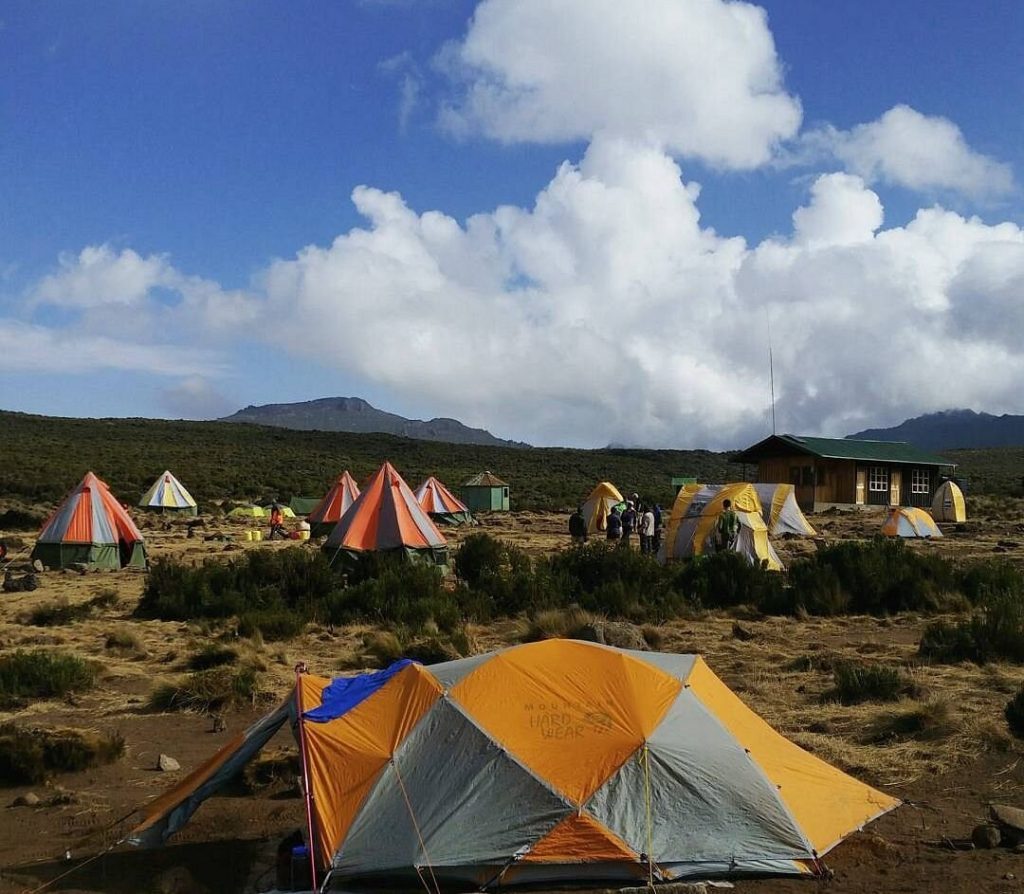
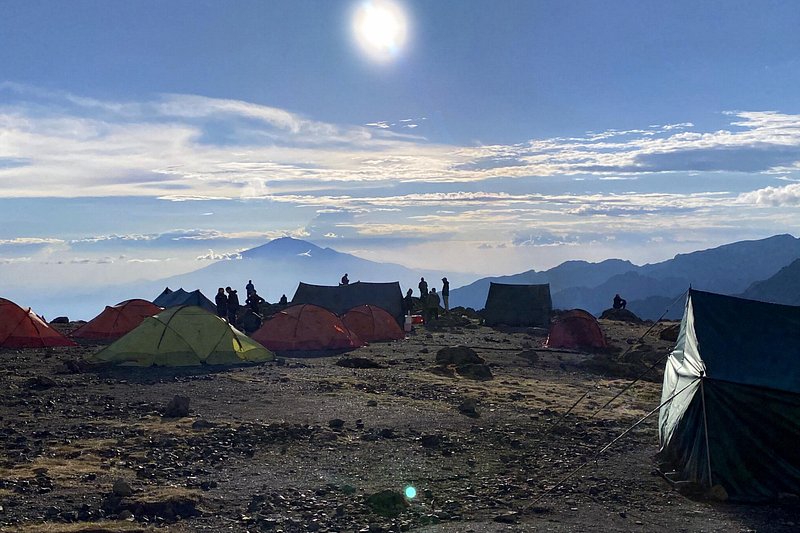
Our treks are supported by a full crew who carry everything up the mountain, including your bags and food. They set up camp, cook for you, break down camp and move on to the next spot. This leaves you free to just walk, and to carry only the things that you actually need during the day.
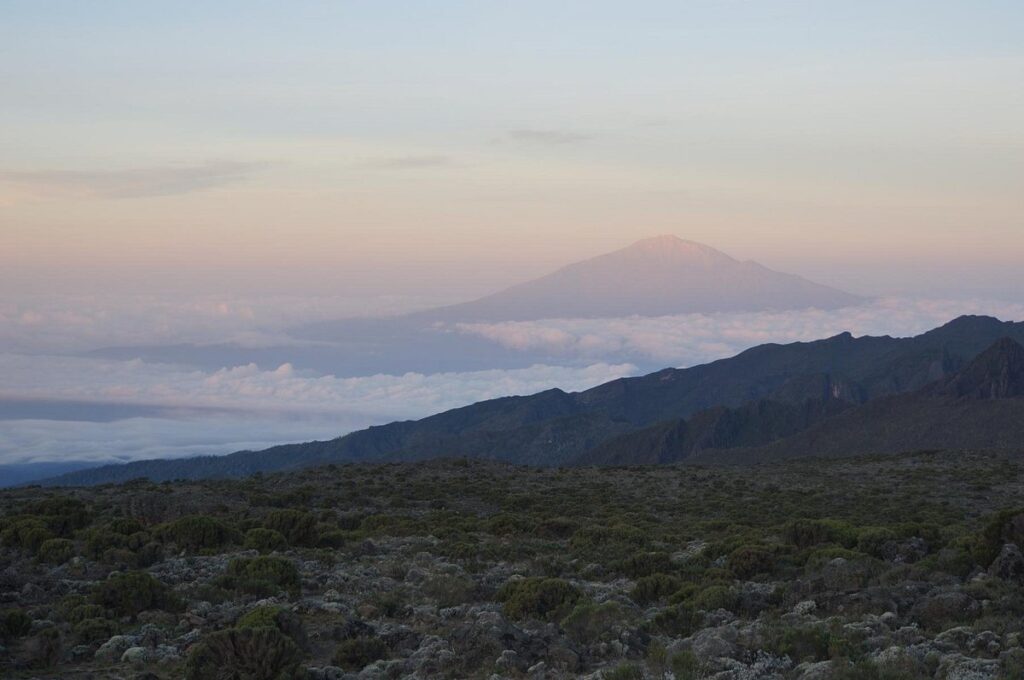
After a good breakfast you start walking fairly early each day and you can expect to walk for anything from 4 or 5 hours to 8 hours in a day, or considerably longer on the summit day or most routes. Have a look at the individual route itineraries to see what you’re letting yourself in for. Lunch for most days is a packed lunch but at some stopping points such at the Karanga Valley, it’s possible to set up the cooking equipment and provide a hot lunch. In the evening a hot meal is served in the mess tent at your camp.
It can be very cold and very windy on Kilimanjaro with rain and snow at times, and yet the same day you could be in bright sunshine walking in shorts and a T-shirt. You need to be prepared for sudden weather changes as is common in all mountain environments.
You are bound to be tired and aching at times and at some point you will almost certainly wonder why you are doing this! I remember walking for days and looking up at the Kibo just wondering why the top hadn’t got any closer. Amazingly, though, nearly everyone finds the inner strength to carry on and make it to the summit. The air is so thin at the top that just putting one foot in front of the other takes all your effort and progress is very slow indeed. But you just keep plodding on and eventually you arrive at ‘The Roof of Africa’.
Coming down the mountain can also be tough. It puts a lot of strain on your knees at a time when you body is already exhausted. Luckily it doesn’t take long to get down though.
Having climbed the mountain, most people are elated. It is a huge achievement. If you can climb Kilimanjaro you can do anything – that’s how it feels. And for many people this boost to self confidence is inspirational, giving them a new outlook on life and the ability to tackle personal challenges in day-to-day life with a new perspective and dogged determination.
Frequently Asked Questions
What does it feel like to climb Mount Kilimanjaro?
Climbing Mount Kilimanjaro feels like a slow, powerful journey rather than a quick adventure. Each day brings a mix of excitement, tired legs, and moments of quiet reflection. You walk at a steady pace, often hearing the phrase “pole pole,” meaning slowly, slowly. As you gain altitude, the air gets thinner and every step feels more meaningful. By the time you reach the summit, it’s an emotional mix of pride, relief, and pure joy.
How does the landscape change during the climb?
One of the most unique parts of climbing Mount Kilimanjaro is how dramatically the scenery changes. You start in lush rainforest with tall trees and birdsong all around. As you climb higher, the landscape shifts into moorland and then into a dry alpine desert. Near the top, everything becomes rocky, cold, and icy, almost like another planet. It feels like walking through several worlds in just a few days.
What are the toughest moments during the trek?
The toughest part for most people is the summit night. You wake up around midnight and hike in the cold, darkness, and thin air for several hours. It can feel physically and mentally exhausting, and many people question if they can keep going. Altitude can also make you feel slow or uncomfortable along the way. But pushing through those moments often makes reaching the top even more rewarding.
What is the summit experience like?
Standing on the summit of Mount Kilimanjaro at Uhuru Peak is unforgettable. As the sun rises, the sky lights up above the clouds, creating a surreal and peaceful moment. Many people feel emotional, knowing how much effort it took to get there. There are hugs, photos, and sometimes even tears of happiness. It’s a short stay at the top, but the memory lasts a lifetime.
What makes the overall Kilimanjaro experience so special?
The experience of climbing Mount Kilimanjaro is about much more than just reaching the top. It’s the people you meet, the stories you share, and the small victories along the way. The support from guides and porters adds warmth and encouragement throughout the journey. You learn patience, resilience, and appreciation for simple things. In the end, it’s not just a climb, it’s a life experience that stays with you.
Still have questions?
Our local safari experts are happy to help you plan the perfect African safari.