
Climbing Mount Kilimanjaro should be an enjoyable and possibly even a life changing experience, Kilimanjaro ASAP want to help ensure that this is the case and that you get the most from your climb.
Three main factors should be taken into consideration when you book your trip:
1. The weather at the time of year in Tanzania.
2. How busy the mountain, or chosen route up Kilimanjaro, will be at that time of year.
3. When does the full moon occur, as the Mount Kilimanjaro summit ascent is normally carried out overnight and a full moon is beneficial to enjoy the brilliant night sky views.
Kilimanjaro’s main trekking seasons fall in line with the mountain’s dry seasons, which occur between January and March, and June and October. There are pros and cons to both seasons.
December to March
This period tends to be colder than the later period and snow may lay on the path at this time of year. The trails are normally quieter as a result during this period.
June to October
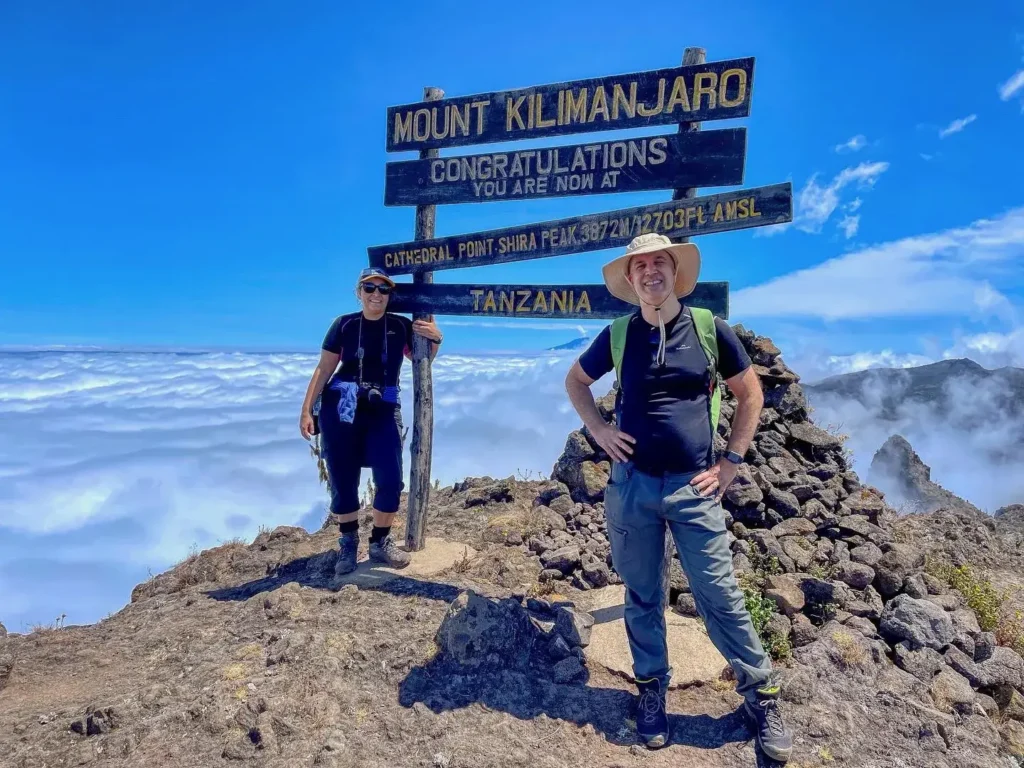
Most European and Western educational holidays occur during these dates, so whilst the climate is somewhat warmer, the trails are often much busier. Cloud cover is much lower during the early part of this period following the heavy rains that fall between March and May. However, once you climb above the cloud cover, the skies are blue and bright. The most popular Kilimanjaro climbing months are therefore: January, February, July, August, September and October.
Numbers of Climbers
June to October is normally the busier time of year, due to holiday periods in Europe and the West. However, the number of trails and their length mean that solitude can be found if required. If you wish company whilst you trek up Kilimanjaro, then this is the ideal time to do it.
Temperatures
With Tanzania being only three degrees south of the Equator, it is the altitude which affects the temperature as the trek progresses. Day-time temperatures on the lower parts of Mount Kilimanjaro are often pleasantly warm, even hot, although a brief rain shower in the afternoon is always possible. As soon as the sun goes down the air temperature becomes cold, and as the trek progresses, on the higher parts of Mount Kilimanjaro the temperatures often drop to below freezing. Warm clothes and a warm sleeping bag are essential.
Kilimanjaro ASAP will be happy to advise you on the best route and time of year to climb Mount Kilimanjaro to ideally meet your requirements.
How to Get to Kilimanjaro
Flying
Travelling to Tanzania to climb Mount Kilimanjaro is easy enough via air. There are 3 main airports in Tanzania:
– Dar es Salaam
– Zanzibar
– Kilimanjaro
If you are looking to climb Mount Kilimanjaro, then the best airport to fly to is Kilimanjaro International Airport. Flights from the UK regularly leave London, Manchester and Birmingham to Kilimanjaro (JRO) via Amsterdam with KLM.
An alternative is to fly into Nairobi and then take internal flights with Ethiopian, Air Tanzania, Kenya Airways or Precision Air to Kilimanjaro International Airport. Unfortunately though, transfer times at Nairobi Airport can sometimes be quite long. If you intend to spend time after your climb relaxing at Zanzibar, then you may be better off booking your return flight from Zanzibar Airport.
Kilimanjaro ASAP are not a Flight Operator, so we cannot handle flight bookings for you. We would recommend that you either contact KLM direct.
Transfers
Transfers from the airport to your intended accommodation will be arranged for you by Kilimanjaro ASAP. If you are climbing Mount Kilimanjaro, then the drive to the Hotel or lodge in Moshi from which you will commence your trek is approximately 45 minutes. The transfer back to the airport at the end of your trip will also be provided for you.
If you would like more information, or have any questions, please contact trek@kilimanjaroasap.com or call Kilimanjaro ASAP on 0788519851
Frequently Asked Questions
What months are considered the best for climbing Kilimanjaro?
The best months to hike are generally January to mid, March and June to October. During these periods, rainfall is minimal, and the trails are drier and safer. Clear skies also increase your chances of spectacular summit views. Outside these months, heavy rains can make trails slippery and streams difficult to cross. Planning your climb during the dry season improves both safety and enjoyment.
How does the rainy season affect climbing?
The long rainy season is from March to May, and the short rains happen in November. Trails become muddy and slippery, which slows progress and increases the risk of injury. Visibility can be poor, reducing the chance to see stunning vistas. Campsites may also be wetter and less comfortable. Climbers generally avoid these months unless seeking a very quiet, off, season experience.
Does temperature influence the best time to hike?
Yes, temperatures on Kilimanjaro vary with altitude and season. The dry months tend to have warmer days and cooler nights, making trekking more comfortable. During the rainy season, temperatures can drop, especially at higher elevations. Cold and wet conditions make acclimatization and sleeping more challenging. Timing your climb for the dry season helps balance comfort and safety.
Can wildlife or scenery influence the timing?
Absolutely! During the dry season, the vegetation is less dense, and wildlife may be easier to spot on lower slopes. Flowers and alpine plants are more visible in certain months, adding to the beauty of the trek. Clouds are generally fewer, providing clearer views of the summit. Photographers often prefer dry months for brighter skies and better visibility. Choosing the right season enhances both scenery and photographic opportunities.
Should I consider crowd levels when planning?
Yes, popular months like July and August can be busy, with more climbers on the trails. While dry, these months may feel crowded, and campsites can be busier. January to March can be quieter, offering a more peaceful trekking experience. Off, peak seasons can also mean better deals on guides and permits. Balancing weather and crowd levels helps you have the most enjoyable climb.
Still have questions?
Our local safari experts are happy to help you plan the perfect African safari.


