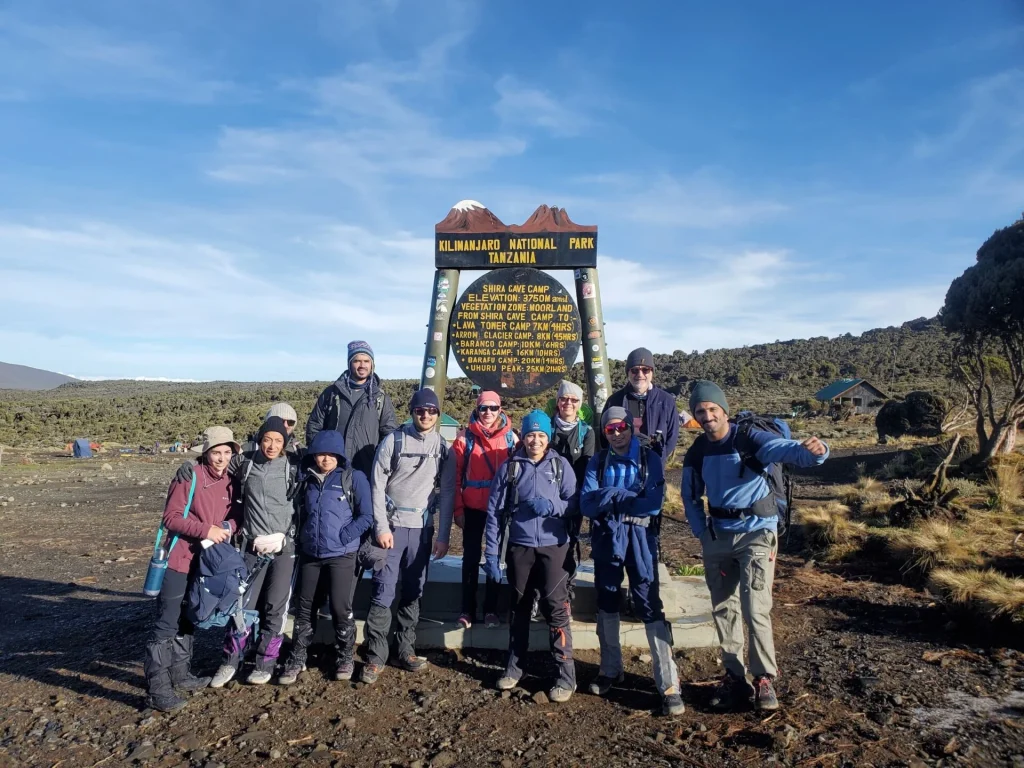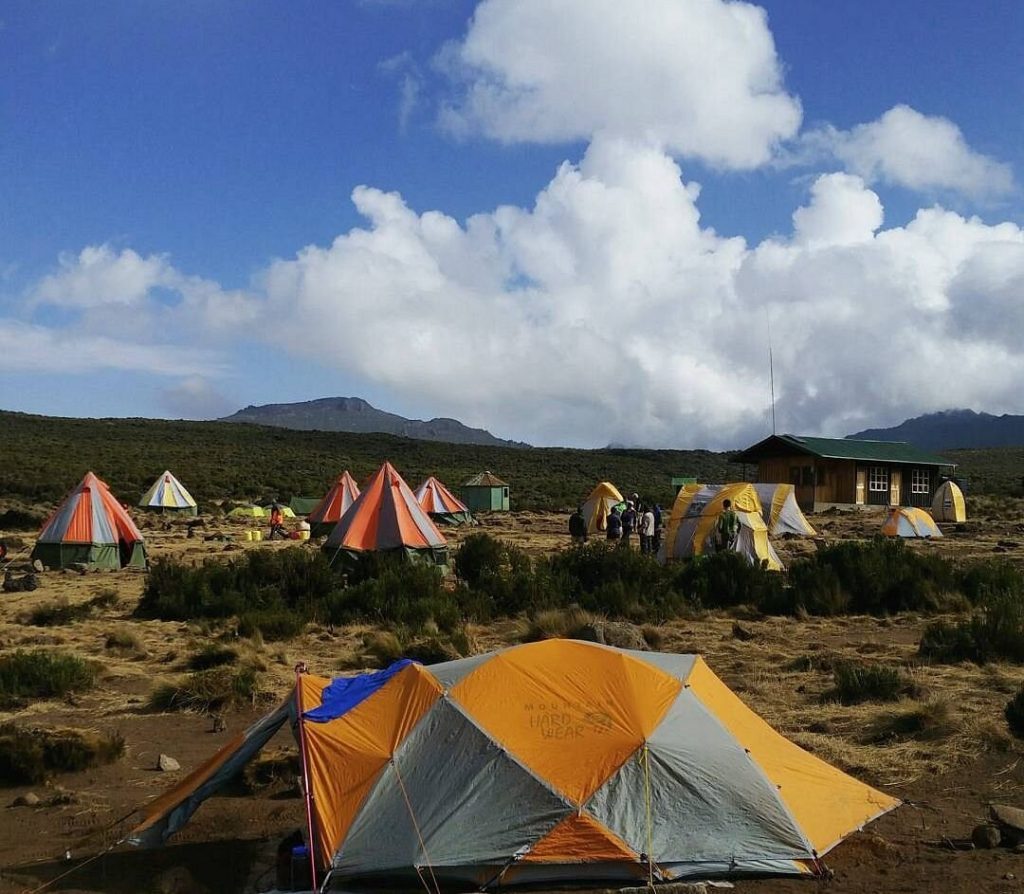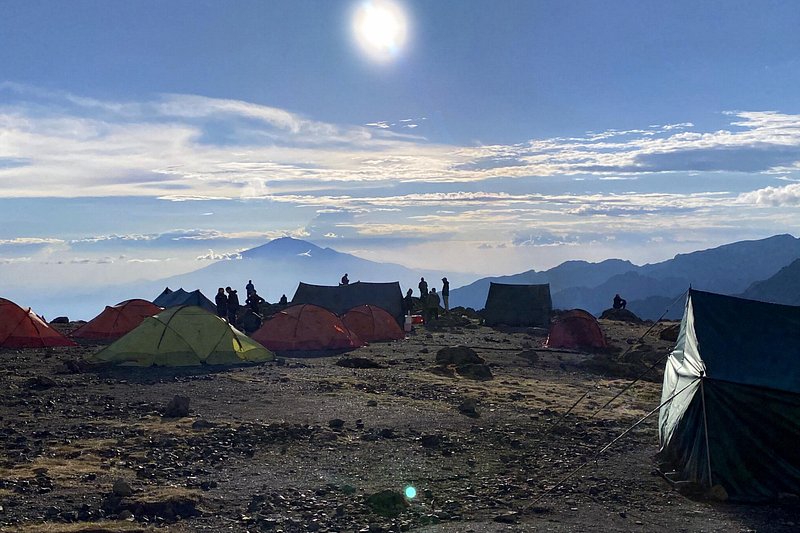
Well, I discovered that Kilimanjaro has a way of calling people back. At first I thought Tim (one of the organizers of the climb) was crazy when he told me he had been on the mountain a total of seven times. But I found that once you have been there, you do feel the urge to go back. In fact, I went back again, and my third climb was in many ways the best of all.
When the United Nations Communications Group (UNCG) nominated me to represent Zambia at the Africa UNiTE Campaign to end violence against women and girls, I immediately thought it was a perfect cause for me to support, and I agreed to climb Kilimanjaro again to promote this message. So with support from my office and friends, I started training. In addition to my usual hour-long morning walks around my neighborhood, I played squash, worked out at the gym, swam, and then hiked the serious trails on Saturdays and Sundays.
I must say there was tremendous support from my friends, who always came out with me for the weekend hiking trails, and provided stories and laughter which kept all of us going and encouraged us to go back the next weekend. I felt guilty about missing church service on Sundays, but if you see and hear how many cases of gender-based violence and child abuse are recorded every day in Zambia, you would understand why I was motivated to participate in the campaign.
A total of 76 men and women from different countries in Africa – there were four of us from Zambia – took one step in front of the other up Kili to make a climb that counted.
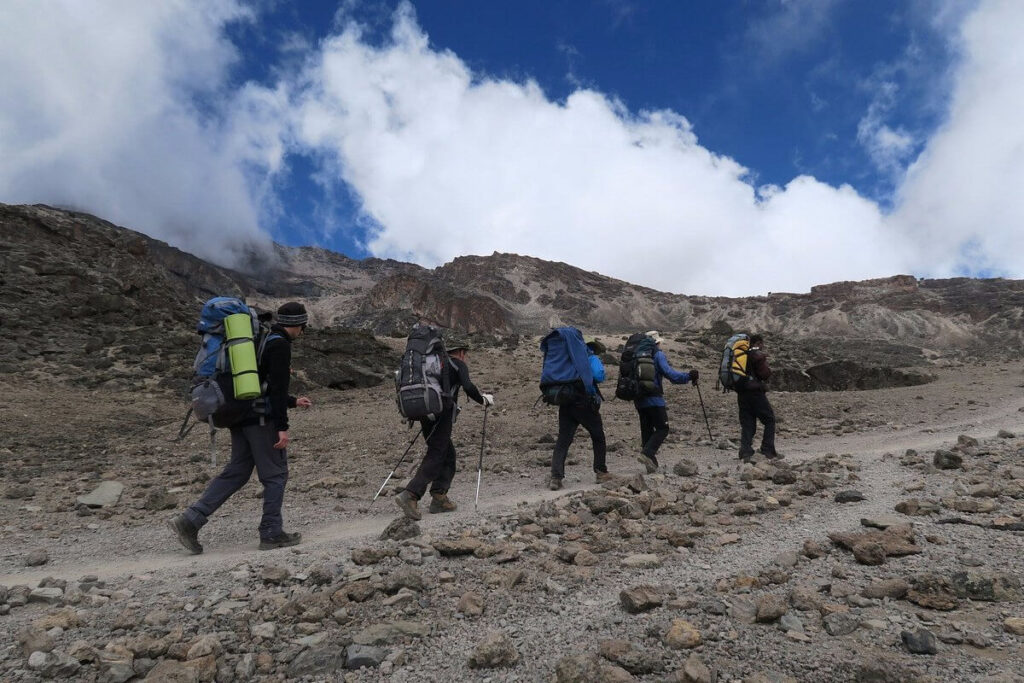
In the previous two climbs, I had documented my experiences on the mountain on a day-by-day basis. This time I decided to focus on the campaign and what it meant to me. It is said that the ultimate desire for any mountain climber is to reach the summit. Well, this climb was not about reaching the summit, but to challenge people to take steps towards ending violence against women and girls, to climb as high as they can and speak out against this vice.
This was an emotional climb for me because I had opportunities to meet and talk first- hand with climbers who were survivors of violence and heard some horrific stories. One story that touched my heart was that of a woman who had lost her husband in Swaziland and told me about how his relatives burned down her house and that she had nowhere to live as a result. This story however, ended on a positive note because there was a man in the climb who volunteered to build this woman a house upon return. He wished not to be named, but he came from South Africa.
Stories of girl-child abuses never leave our news headlines in Zambia; every day we hear of babies as young as two years old being defiled and mostly by their close family members. That alone was a motivating factor to join the campaign.
Unlike first-time climbers on Kili, I knew what lay ahead with each step that I took, but even then there were still moments every day when I asked myself how could I keep going ahead? But there was total commitment and a great sense of togetherness in our group, and that alone provided enough motivation for everyone to keep going.
On Mount Kili, “fast” is a dangerous and impossible adjective. The way to go is “pole pole” (slowly slowly) and you hear it said a million times over. While the physical hike up Kili is well within anyone’s capabilities, the effects of high altitude are unpredictable. My health was at its peak both physically and mentally; I had also received injections of erythropoietin to boost my iron profile. But my drawback was nausea, which kept me from putting anything down my throat except water.
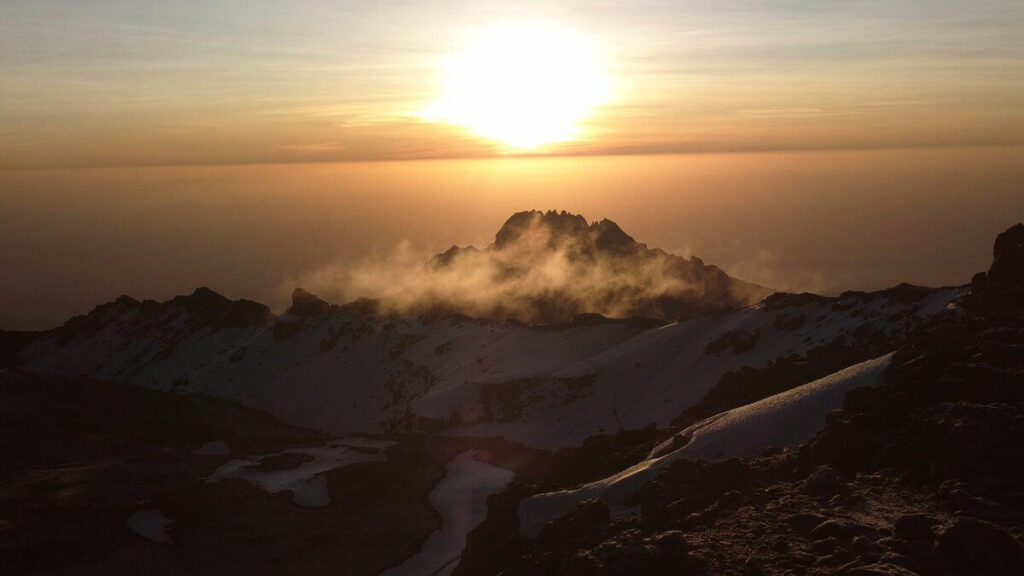
Eventually, the lack of energy caught up with me, and on the last day, when we pushed to reach the summit, I got to a point where I was too exhausted to go on. Although my guide, Tom, insisted that I keep going, I turned back before reaching Gilman’s Point. But I do not regret it. Seasoned hikers know that any solid-standing mountain is not to be challenged, and it will always be there. One can always go back. Having taken a total of 199,278 steps (as recorded on my pedometer), I feel that I made a statement by getting so far, and the onus rests on me to do my part in carrying the campaign forward.
I have heard that what changes a person is “the people you meet and the places you go.” On this climb I met one person who kept blowing sunshine in my face, and this helped me keep my motivation. This person is Ms. Nomcebo Manzini, Regional Director for United Nations Entity for Gender Equality and the Empowerment of Women in Southern Africa & Indian Ocean Islands. We had all heard the story of how Manzini shared the vision of climbing Mount Kilimanjaro in a campaign to build synergy to the UN Secretary General’s Global Campaign 2008-2015. This was the regional component of the UN Secretary General’s Africa-wide campaign beginning in October 2009 to end violence against women and girls; it was adopted as the theme for Southern Africa with the objective of increasing public awareness, political will and resources for preventing and responding to violence against women and girls.
Throughout the climb, Manzini displayed such profound humility that issues of hierarchy and titles had no place. Every time I spoke to or heard her speak to anyone, she was so positive. When people complained about the weather or the food, she responded in an encouraging manner, and this was so motivating for those of us who knew what comfort and convenience people at her level had given up to camp out on Kili for this cause.
What next? We need to spread the message everywhere that this violence can only be fought if ALL are aware of the seriousness of the issue. We need to change our attitudes that women and girls are inferior. This belief is common to men and also too many women. It is certainly backed by some of our traditions and customs.
This campaign meant so much to me and I will always cherish the learning opportunities, the sharing, the many friends whom I will never forget, and all the “pole pole moments.” Because you hike at such a slow pace, there was so much time to acquaint oneself with so many people at different times, and each person I talked to knew one thing that I did not know, so this was also a learning moment for me. (Of course, shedding a few kilos was also a plus.)
They say a journey of a thousand miles begins with one step. I say a climb up Africa’s highest mountain, like any other mountain, begins with one step, just like the many opportunities that lie in front of us to bring about positive change, to stop a vice, make a statement, or simply contribute towards a common cause. This requires concerted efforts from all individuals, at every level, even the family and community.
My thanks go to all the organizers of this historic event, not forgetting my office, my family, and all of my friends that gave me the push.
Frequently Asked Questions
What does “Climb Up, Speak Out” represent in the fight against violence to women?
“Climb Up, Speak Out” is both a literal and symbolic message of strength and courage. Climbing represents pushing through challenges, just like women and allies do when facing or addressing violence. Speaking out is about breaking the silence that often surrounds abuse. Many survivors struggle to share their stories, so raising voices together creates support and awareness. It’s a reminder that progress happens when people stand up and refuse to stay quiet.
Why is it important to raise awareness about violence against women?
Awareness helps bring hidden issues into the open where they can be addressed. Many cases of violence go unreported due to fear, stigma, or lack of support. By talking about it, communities can begin to understand the scale and impact of the problem. It also encourages survivors to seek help and know they are not alone. The more people understand, the more likely change can happen.
How can individuals support the movement even if they’re not directly affected?
You don’t have to be personally affected to make a difference. Supporting can be as simple as listening without judgment and believing survivors. Educating yourself and others about the issue is another powerful step. You can also support organizations working to protect and empower women. Small actions from many people can create a strong collective voice.
What role do community events like climbs or campaigns play?
Events like climbs or campaigns bring people together for a shared cause. They create visibility and spark conversations that might not happen otherwise. Being part of something active and meaningful can inspire participants to stay engaged. These events also show solidarity with survivors in a powerful, visible way. They turn awareness into action and connection.
What message should people take away from this initiative?
The key message is that silence should never protect violence. Everyone has a role to play in creating safer, more respectful communities. Speaking out may feel difficult, but it can lead to real change. Strength is not just physical, it’s also about standing up for what is right. Together, voices can rise just as high as any mountain climbed.
Still have questions?
Our local safari experts are happy to help you plan the perfect African safari.