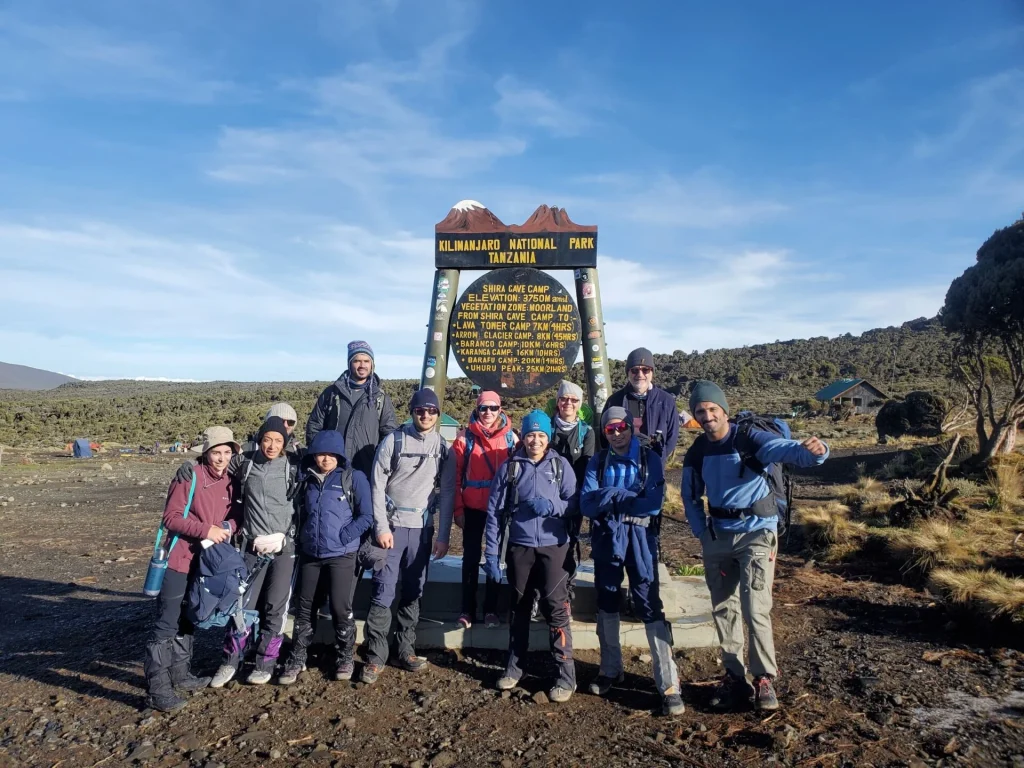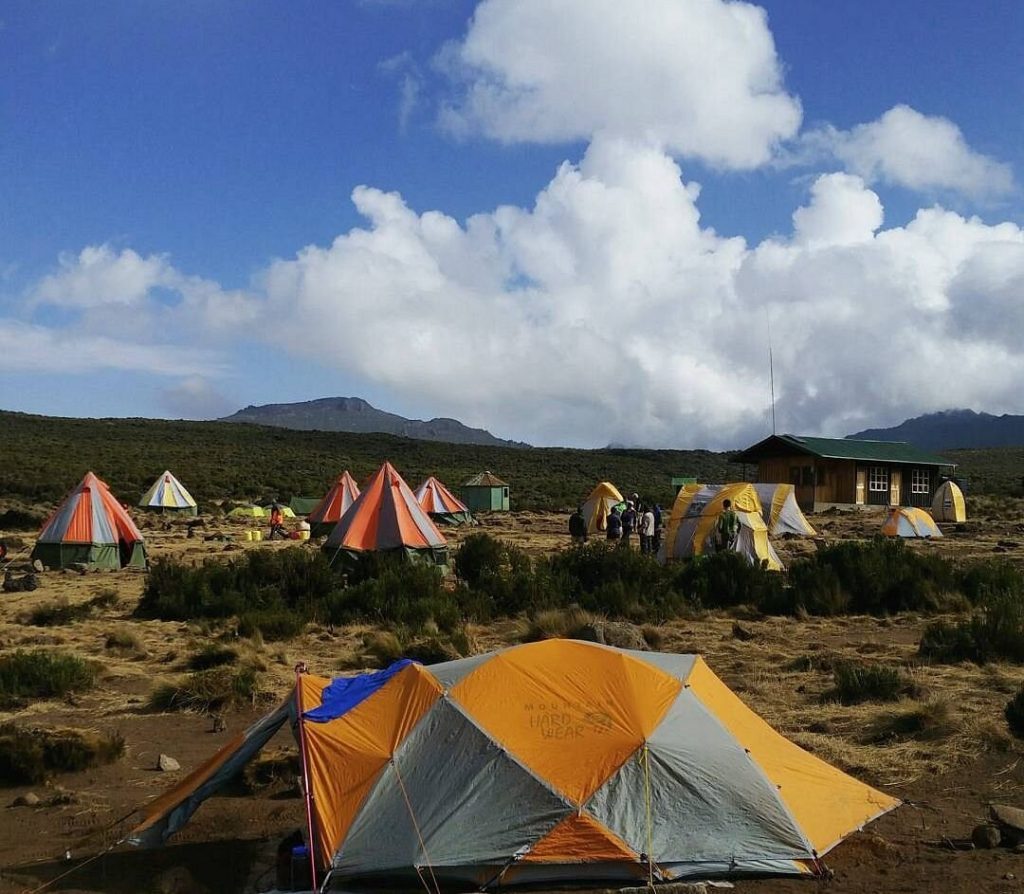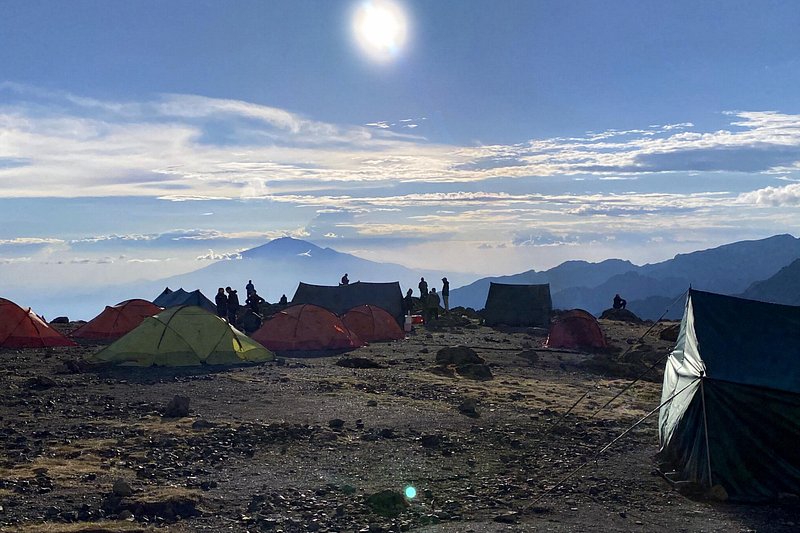
Kilimanjaro’s climbability makes this majestic mountain uniquely accessible to anyone that has a reasonable level of fitness. Special climbing training and equipment isn’t necessary to master the trek to the top. As the world’s tallest free standing mountain at 5895 metres Kilimanjaro rises impressively from East Africa’s savannah. The lower slopes of the mountain are rich with forest that thins as you make the ascent to its dormant volcano at the top and breath-taking views.
Trekking to the top of this amazing mountain is certainly challenging but within reach for most people; a wonderful once in a lifetime experience. 30,000 people embark on this challenge every year beginning their climb in Tanzania travelling one of the many routes to Uhuru Peak. Each route has something unique to offer. Some are more difficult than others and some receive less traffic.
One such less frequented route is The Northern Circuit Route. Kilimanjaro ASAP loves this route for its fantastic scenery and low traffic. The climb ascends up a relatively flat route up the west side of the mountain with two days journeying through dense rainforest.
The oldest and probably easiest route is Marangu. Not only is the climb gradual, it is the only route that has sleeping huts for those who want a more comfortable night’s sleep. These dormitory style huts mean that hikers can stop for a day if they need more time to acclimatise. There are also dining halls, flushing toilets, and running water in huts at a lower altitude. In total, there are six routes, Umbwe being the most difficult and should only be tackled by those with good experience and fitness.
Kilimanjaro ASAP 2026 offers group climbs in 2026 from January through December on the Marangu, Machame, Lemosho, and Rongai routes. Each tour package includes camping, rescue, and entry fees, Moshi hotel accommodation for two nights, tents, certified guides and porters, all mountain meals, Moshi to park gates transfers, and secure storage.
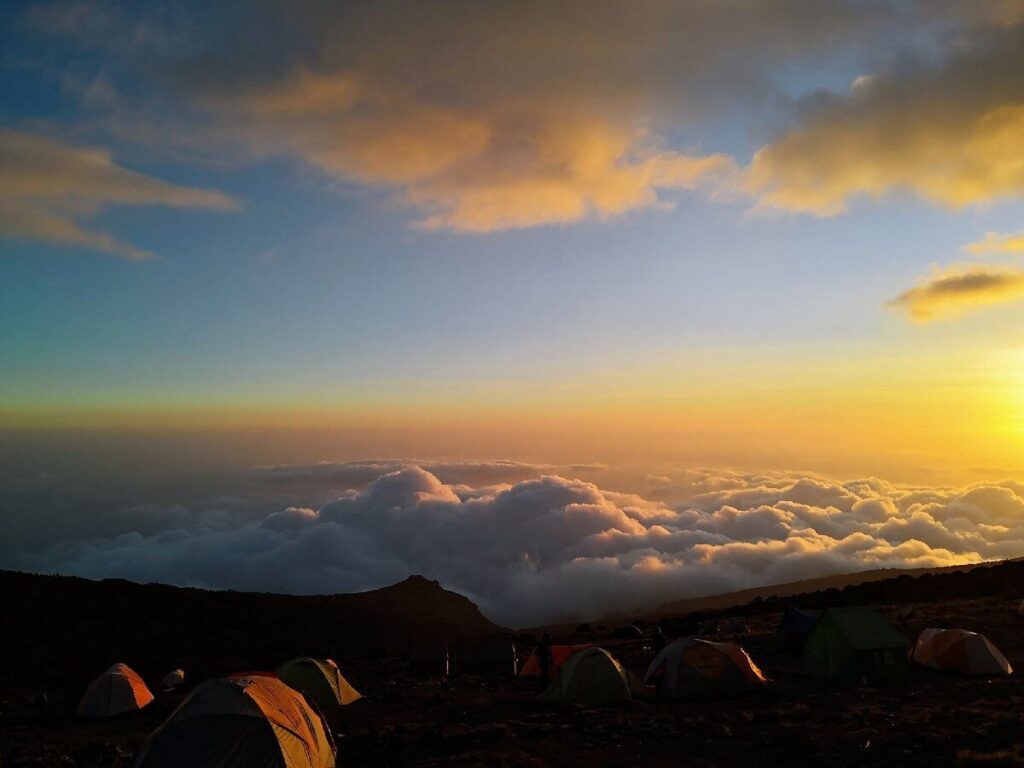
Hikers will need to arrange their own hiking clothing, walking poles, tips, personal insurance, and international flights. Tours are eight or nine days. When planning your climb dates it is a good idea to consider what the weather will be like.
Trekking tours as well as Safari Tours take place when it is the dry season. These fall from January through March and from June through October. Of these two seasons January to March sees less traffic on the mountain. However, it can be quite cold at this time and you may even encounter snow along the route.
The June to October season is warmer and thus this time attracts more climbers. However, you can still choose to travel one of the lesser used routes if you are in search few people. You can expect to experience a wide range of temperatures. As you travel along the mountain’s lower regions day time temperatures can get quite warm, as you get higher the temperatures drop, especially at night when it can get pretty cold.
Preparation is the key to getting the most out of your trip. Bringing good equipment, warms clothes, a warm sleeping bag, and ensuring you are fit enough to walk for several hours a day are essential. Make sure to ask any questions, it is better to be safe than sorry. Kilimanjaro ASAP will be able to advise you on the best route for your abilities and the experience you’re looking for. With great planning, you will have more time to enjoy this magical mountain.
Frequently Asked Questions
What is included in Kilimanjaro ASAP hiking tours?
Kilimanjaro ASAP hiking tours are designed as full, service trekking experiences with everything organized for you. Packages typically include park fees, airport transfers, accommodation before and after the climb, and a full support team. You’ll have guides, porters, and cooks who handle logistics while you focus on trekking. Meals are freshly prepared on the mountain and served in a proper dining setup. Safety equipment like oxygen and health monitoring tools are also provided. This all, inclusive approach helps make the journey smoother and more comfortable.
Which routes are available for 2026/2027 tours?
There are several routes to choose from, depending on your experience and preferences. Popular options include Machame (scenic), Lemosho (less crowded and beautiful), Marangu (simpler with huts), and Rongai (quieter and easier). Each route varies in difficulty, scenery, and success rate. Longer routes usually give you more time to acclimatize, increasing your chances of reaching the summit. Tours for 2026/2027 offer flexible itineraries ranging from about 5 to 10 days on the mountain. Choosing the right route is one of the most important decisions for your climb.
When is the best time to book a Kilimanjaro ASAP tour?
You can climb Mount Kilimanjaro almost year, round, but timing makes a big difference. The best months are January to March and June to October when the weather is dry and clear. These seasons offer better visibility, safer trails, and higher summit success rates. Rainy seasons (April, May and November) are less popular due to mud and poor conditions. Booking early for 2026/2027 is recommended, especially for peak months. Planning ahead helps secure your preferred dates and route.
What makes Kilimanjaro ASAP different from other operators?
Kilimanjaro ASAP focuses on high, quality service, safety, and responsible tourism. Their tours include trained guides, modern equipment, and strong safety protocols like oxygen support and evacuation plans. They also emphasize ethical practices, such as fair treatment of porters and eco, friendly trekking. Compared to budget operators, they may cost more, but they aim to provide a more comfortable and secure experience. The attention to detail, from meals to campsite setup, makes a noticeable difference. It’s a good choice for travelers who value quality over the cheapest price.
Can beginners join Kilimanjaro ASAP hiking tours?
Yes, beginners can absolutely join these tours as long as they prepare properly. Kilimanjaro is a non, technical climb, meaning you don’t need climbing skills or special equipment. However, good physical fitness and mental preparation are important for success. Choosing a longer route and trekking slowly helps your body adjust to altitude. The support team plays a big role in guiding and encouraging you along the way. With the right mindset and preparation, many first, time trekkers successfully reach the summit.
Still have questions?
Our local safari experts are happy to help you plan the perfect African safari.