
Due to stiff job competition it’s common for porters to agree to back-to-back treks without sufficient rest in between. It’s also common for porters to work without proper shoes or equipment. At Kilimanjaro ASAP we work hard to provide the good environment for porters. (This said, it’s common practice among some porters to receive a good-quality clothing and equipment that they have been given by clients at the end of a trek.)
Porters depend on tourism on the mountain for their livelihood, but as a trekker you can help ensure that they aren’t exploited and that working conditions are fair. When selecting a trekking operator, tell them this is a concern. Be aware of what goes on around you during your trek, and if you see exploitative treatment, tell the tour operator when you get back.
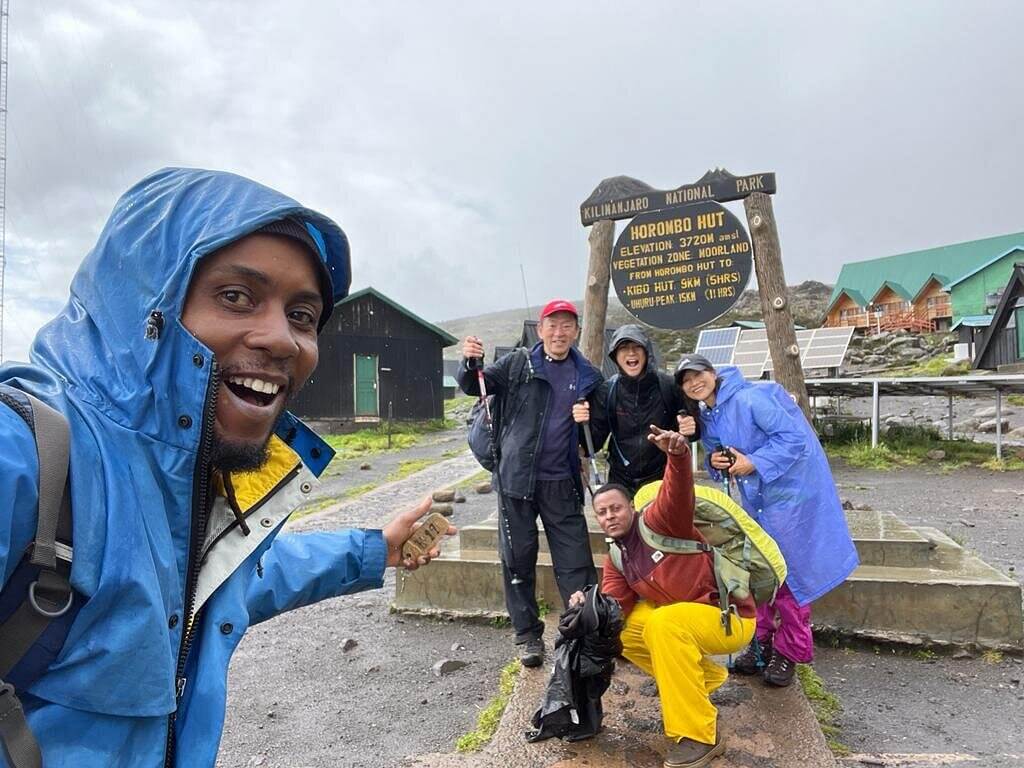
Regardless of whether you go on which route to Kilimanjaro peak the guide, assistant guide, porters and the cook (where provided) will expect a reasonable tip at the end of the trek. Be generous, you may think you have paid a lot of money for your climb but most of it will have gone to national parks, transport and food. The wages of the guide, assistant guide, porters and the cook will have been minimal hence most of them will highly depend on gratuities. Most of the tip will be described like this:
Tipping guide per group per day, not per climber.
- Guides: US$20 per day
- Cook: US$15 per day
- Porter: US$10 per day
These tips are paid as a group rather than by each climber. For example, in a group of 5 climbers, each climber would contribute $4/day for the guide’s tip.
Examples of climb staff numbers:
For a group of 3, you would typically have 2 guides, 1 cook and 12 to 14 porters. For a group of 4, you would typically have 2 guides, 1 cook and 16 – 18 porters. The number of porters will depend on the total weight of all gear – including tents, food, utensils, climb staff gear, etc.
By park regulations, each porter is allowed to carry no more than 20kg and we suggest that you carry approximately 5kg in your day pack, including 3 to 5 liters of water. And it is always appreciated to give more to anyone who made your Kilimanjaro trip more exceptional and with the best experience
Frequently Asked Questions
Is tipping expected on Mount Kilimanjaro?
Yes, tipping is a normal and expected part of climbing Kilimanjaro. The mountain crew, guides, porters, and cooks, work incredibly hard to support your trek. For many of them, tips make up a significant portion of their income. It’s not just about money, but also a way of showing appreciation for their effort and care. Most climbers feel happy to tip once they see how dedicated the team is throughout the journey.
Who exactly should you tip?
You’ll typically tip the entire support team, not just your main guide. This includes assistant guides, porters who carry your gear, and the cook who prepares your meals. Each role is important in making your climb successful and comfortable. Usually, tips are divided among the team based on their responsibilities. Your tour operator will often provide guidance on how to distribute tips fairly.
How much should you tip on Kilimanjaro?
There are general tipping guidelines, though amounts can vary depending on your budget and group size. On average, climbers contribute around $200, $300 total for the entire crew over the trek. Guides usually receive the largest share, followed by cooks and porters. Many groups pool their tips together and present them as a group. It’s best to check with your operator beforehand so you can plan accordingly.
When and how do you give tips?
Tipping usually happens on the last day of the climb, often at the final camp or back at the hotel. There is often a small farewell ceremony where climbers thank the crew. Tips are typically given in cash and handed to the lead guide, who distributes them among the team. Some groups prefer to give tips directly to individuals, especially if someone made a big impact. It’s a meaningful moment that often includes songs, smiles, and heartfelt thanks.
Why is tipping so important on Kilimanjaro?
Tipping supports the livelihoods of the hardworking mountain crews who make your climb possible. Porters carry heavy loads, set up tents, and ensure everything runs smoothly behind the scenes. Guides keep you safe, motivated, and informed throughout the trek. Without this team, reaching the summit would be much more difficult. Tipping is a way to recognize their effort and be part of responsible, respectful travel.
Still have questions?
Our local safari experts are happy to help you plan the perfect African safari.


