
The question “what is the difference between Mount Everest and Mount Kilimanjaro”? is asked across the world on a daily basis.
As we’re experienced mountaineering experts we feel in a good place to be able to elaborate on this answer in greater detail and explain the true differences between these two great mountains.
Here’s what we know to be pretty standard information but nevertheless very important to know;
Mount Kilimanjaro in Tanzania is the highest freestanding mountain in the world at 19, 341 ft tall. It was first summited in 1889.
Mount Everest is the highest mountain in the world in terms of peak height, 29,017 ft above sea level but it is part of the Himalayan range in Nepal and not a stand alone mountain. It was first summited in 1953.
Both mountains are part of the 7 Summit challenge.
This year, mount Everest celebrated it’s 70th birthday since the first ascent was made, but although there seems to be a certain kudos in climbing Mount Everest, Kilimanjaro certainly comes out on top in this day and age and here’s why…
Everest is obviously a big pull for so many mountaineers just simply because of its sheer challenging face but Mount Kilimanjaro has been underestimated by a great many climbers and as a consequence, many have lost their lives in trying to summit.
All mountains are beautiful and magnificent in their own way, but sadly due to commercialism, the raising number of trekkers and climbers, and pollutants…
Everest is now suffering from carrying the heavy weight of so many bodies on its back.
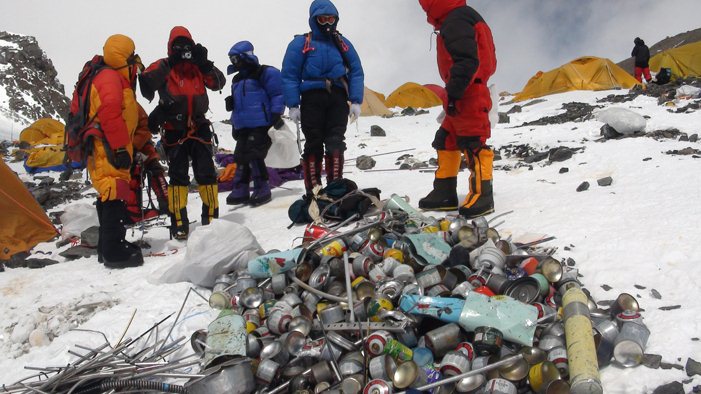
An article published in National Geographic magazine and Time Science and Space section few years ago gave grave reviews of a personal experience climbing the great Mount Everest. That being said, there are a few Eco Expedition companies trying to raise the bar and set the standard of how these natural wonders of the world should be treated.
Kilimanjaro has suffered in the past with some similar issues regarding pollutants and low budget companies not providing the high level of safety one should expect when climbing a mountain. However, Kilimanjaro enjoys far less crowding, less commercialism and is generally more ecologically respectful.
Climbing Kili takes less time than climbing Everest but the final ascent up Kilimanjaro is much more difficult and requires a great level of endurance with an experienced guide.
Like Kilimanjaro ASAP, there are some companies that have enough respect for their beloved mountain that they provide eco expeditions to the summit and don’t take shortcuts to make more money and put people’s lives at risk!
There are two main routes to the summit of Everest, one via Nepal and one via China. There are seven routes available to climb Kilimanjaro and as it’s located in East Africa there is also the opportunity to add an African safari to your trip.
Whether you’re climbing Everest, Kilimanjaro, K2 or Mount Gingga, the right training, equipment, and guidance is vital to ensure you ascend and descend safely.
The real difference between Kilimanjaro and Everest these days is that Kili is less populated and less polluted. Everest is a truly amazing giant of a mountain but it is now time for Kilimanjaro to rise above and show the world what it’s made of.
If you’re interested in experiencing all that a Kilimanjaro trek has to offer then please get in touch with us and take a look at our Tours and our FAQ page.
Frequently Asked Questions
What makes Mount Everest taller than Mount Kilimanjaro?
The biggest difference between Mount Everest and Mount Kilimanjaro is their height. Everest stands at about 8,848 meters (29,031 feet), making it the highest mountain on Earth. Kilimanjaro, on the other hand, reaches 5,895 meters (19,341 feet), which is still impressive but significantly lower. Everest’s extreme altitude brings thinner air and more intense conditions. Kilimanjaro is high too, but it’s often considered more accessible for trekkers.
How do the climbing experiences differ between the two mountains?
Climbing Everest is a technical mountaineering challenge that requires ropes, crampons, and experience with ice and , In contrast, Kilimanjaro is a trekking peak, meaning you can reach the summit without technical climbing skills. However, that doesn’t mean Kilimanjaro is easy, it still demands endurance and proper acclimatization. Everest expeditions usually take weeks and require support teams. Kilimanjaro climbs typically take about 5 to 9 days, making them shorter but still rewarding.
What are the differences in location and environment?
Everest is located in the Himalayas on the border between Nepal and Tibet, surrounded by some of the world’s tallest peaks. Kilimanjaro sits in Tanzania as a standalone volcanic mountain rising from the African plains. Because of this, Kilimanjaro has distinct climate zones, from rainforest to alpine desert to glacier. Everest’s environment is mostly cold, icy, and extreme throughout. The scenery on both mountains is stunning, but very different in character.
How do the risks and difficulty levels compare?
Everest is far more dangerous due to avalanches, crevasses, and extreme weather conditions. Climbers often need supplemental oxygen and face life, threatening risks. Kilimanjaro’s main challenge is altitude sickness, not technical danger. While it’s safer, people still underestimate how tough it can be. Proper preparation is essential for both mountains, but Everest requires much higher levels of training and experience.
Who should choose Everest vs Kilimanjaro?
Everest is best suited for experienced climbers looking for the ultimate mountaineering challenge. It demands time, money, and serious physical and mental preparation. Kilimanjaro is ideal for adventurous beginners who want to experience a high, altitude summit. Many people use Kilimanjaro as their first big mountain. Both offer unforgettable experiences, but they cater to very different types of adventurers.
Still have questions?
Our local safari experts are happy to help you plan the perfect African safari.


