
Lynn Whitnall a Trustee of Wildlife Heritage Foundation and CEO of Paradise Wildlife Park reached the summit of Mount Kilimanjaro in Tanzania with nine conservationists on Sunday 26th January for each of their chosen charities including the Wildlife Heritage Foundation in Smarden.
Steve Sampson and his son Peter Sampson purchased the Sanctuary in June 2000 and have done excellent work in order to conserve endangered species of big cats and highlight the current crisis within the preservation of wildlife worldwide.
Lynn is taking part in several charity events in 2014 to raise a total of £50,000 for the Wildlife Heritage Foundation, which is dedicated to the captive breeding of endangered big cats within the European Endangered Species Programme.
Wildlife Heritage Foundation Kilimanjaro Charity Trek
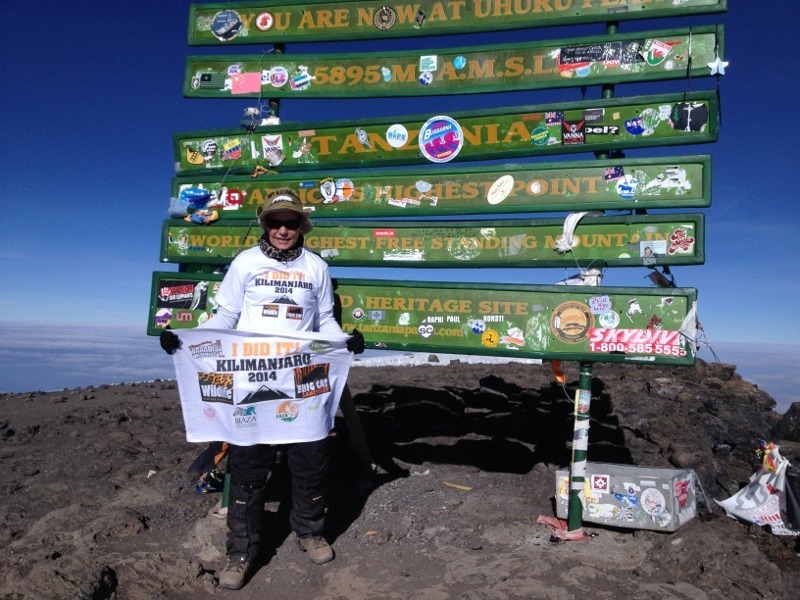
The many conservationists completed the climb for their own chosen charities including Action for the Wild, Rhinos in Lewa and Wildlife Vets International. They were especially keen to raise awareness of the European Association of Zoos (EAZE) and the Aquarias Pole to Pole campaign to highlight the impact the planet is having on the polar caps and especially the Emperor penguin and Polar Bear.
The whole team trained for many months to make sure their fitness levels good enough to be able to complete the climb of Mount Kilimanjaro. After all, many people, wildlife and organisations were depending on them to reach that summit. Each person had an intense fitness programme to follow, as well as completing many climbs in the UK, including Snowdonia and Kinder Scout before their greatest ascent.
Kilimanjaro and the Montane Forest Belt is rich in many different species which includes mammals, primates, carnivores, antelopes and bats. The Serval Cat, Aardvark, Tree Hyrax, Duiker, White-Tailed Mongoose, Marsh Mongoose, White-Necked, blue monkey, white colobus and western black can all be seen in the Montane forest.
The team may have been lucky enough to see grey duiker, eland, bushbuck and red duiker. Around the Tarakea and Namwai rivers and bush baby can be found and sometimes they may even venture up onto the higher slopes of the mountain.
An estimated 220 endangered African elephants could once be seen in this area and was last sighted in 2006 in Western Africa (as could the mountain reedbuck) but unfortunately both are now extinct.
Although they battled altitude sickness and extreme weather conditions, this trip of a lifetime was worth the effort. The experience of Tanzania’s incredible wildlife, and achieving their goal by reaching the summit will forever be ingrained in their memories and has helped make a big difference to each of their chosen charities.
Wildlife conservation is extremely important and is a cause close the heart of Kilimanjaro ASAP.
Protecting the wildlife and environment is of paramount importance to us which is why we provide eco trekking expeditions, so we can play a part in helping preserve this great land and all who inhabit it.
If you’re planning a trekking expedition for charity and are conscious about the footprint you leave behind, get in touch with us because we care about the environment, the people, the wildlife and you.
If you’d like to make a donation to Lynn’s charity challenges you can do so (and read more about her story) by clicking the link here: http://uk.virginmoneygiving.com/LynnWhitnall
Frequently Asked Questions
What is the Wildlife Heritage Foundation Kilimanjaro Charity Trek?
The Wildlife Heritage Foundation Kilimanjaro Charity Trek is a fundraising adventure where participants climb Mount Kilimanjaro to support wildlife conservation. It combines the challenge of reaching Africa’s highest peak with the purpose of giving back to nature. Trekkers raise funds that go toward protecting endangered species and preserving natural habitats. It’s not just a physical journey, but also a meaningful contribution to a bigger cause. Many people find it deeply rewarding to climb with such a purpose in mind.
How does the fundraising part work?
Participants usually commit to raising a set amount of money before the trek begins. This can be done through personal networks, online campaigns, or community events. The funds collected go directly to conservation programs supported by the foundation. Many climbers find that sharing their journey inspires others to contribute. Fundraising becomes part of the experience and adds a sense of responsibility and pride.
Do I need prior climbing experience to join?
No prior climbing experience is required to take part in the charity trek. What matters most is a reasonable level of fitness and a willingness to prepare. Training before the climb helps build endurance and confidence. Professional guides and support teams are there to assist you every step of the way. With the right mindset and preparation, many first, time trekkers successfully reach the summit.
What support do trekkers receive during the climb?
Trekkers are supported by experienced guides, porters, and cooks throughout the journey. The team helps with navigation, safety, meals, and setting up camp. They also monitor your health and assist with acclimatization to reduce risks. This support allows you to focus on the climb and the cause you’re supporting. The sense of teamwork often becomes one of the most memorable parts of the trek.
What impact does the trek have on wildlife conservation?
The funds raised through the trek help support important conservation efforts across Africa. This may include anti-poaching initiatives, habitat restoration, and community education programs. By participating, climbers directly contribute to protecting wildlife for future generations. The trek also raises awareness about conservation challenges and solutions. It’s a powerful way to turn adventure into meaningful action.
Still have questions?
Our local safari experts are happy to help you plan the perfect African safari.


