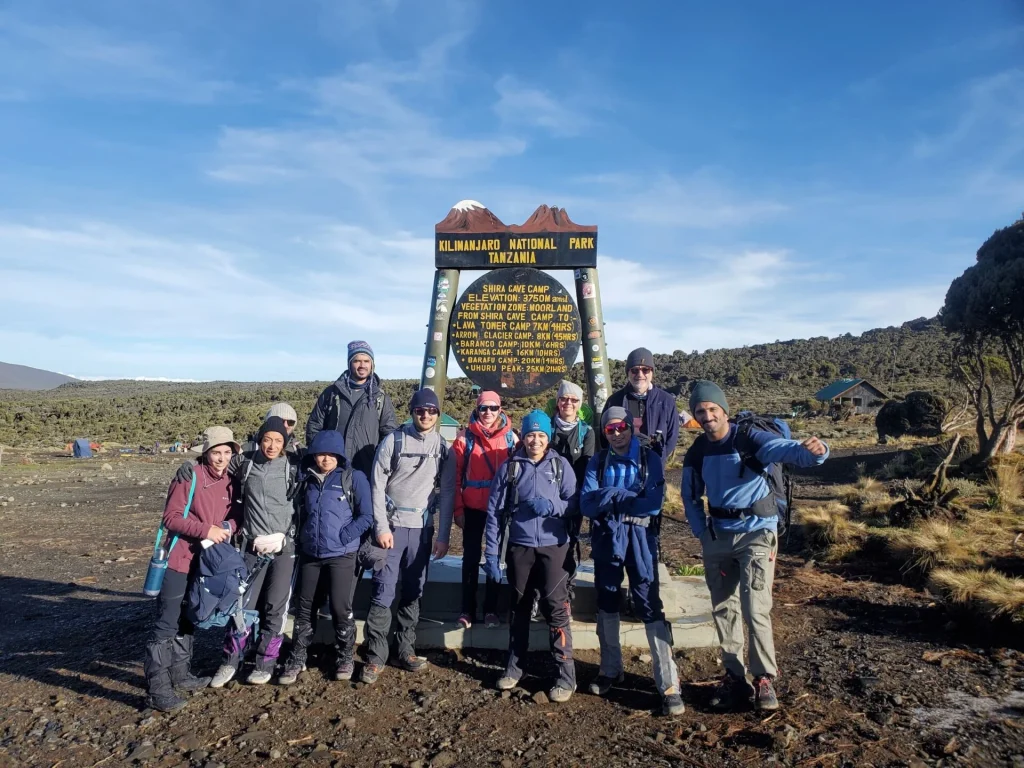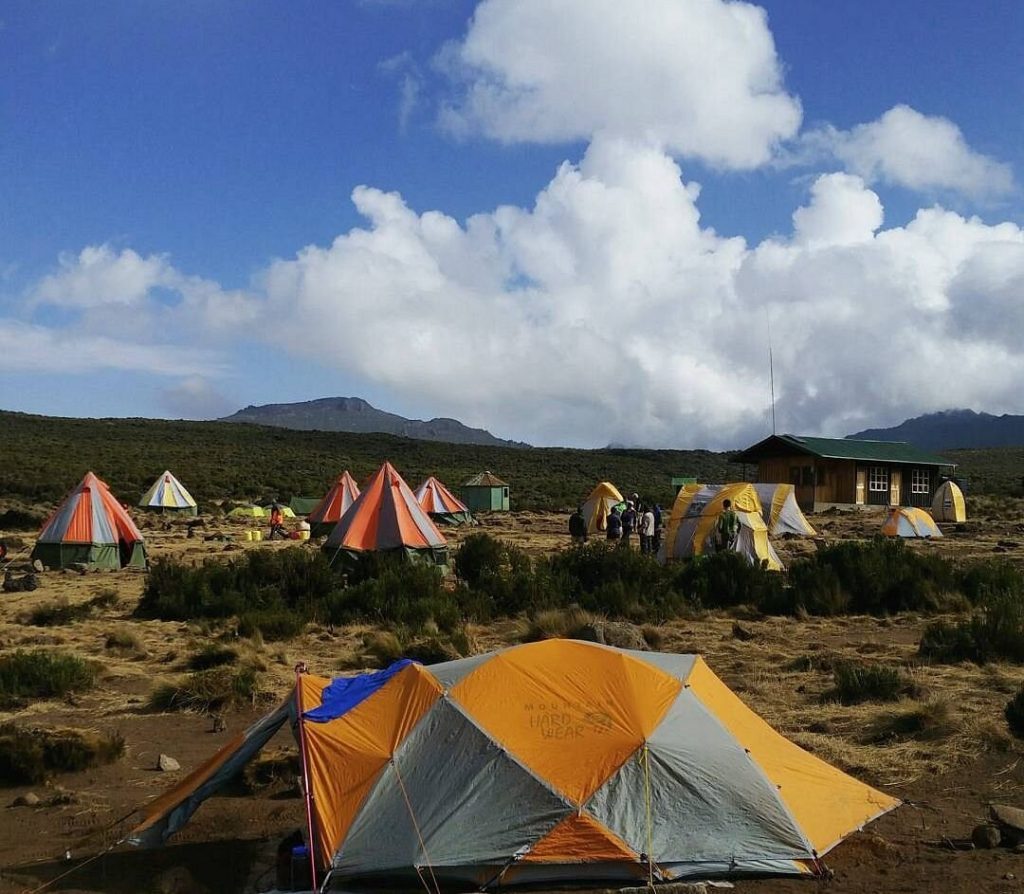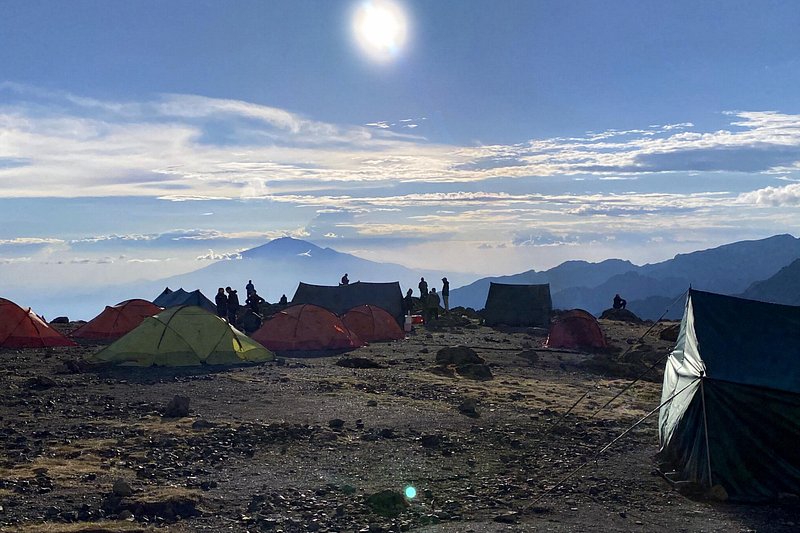
It is amazing what your mind can do. You could consider climbing Kilimanjaro for a fleeting moment and then your mind will talk you out of it saying it’s too far, too expensive, too hard, too high, and so on until it seems like an impossible feat.
Then there’s that moment when you decide there is only one option and that’s for you to summit this mountain NO MATTER WHAT because very few experiences on earth come close to summiting Mount Kilimanjaro.
A medical condition or physical impairment should not stop you from believing you can summit Kili (or any other mountain). As long as you have the desire and determination with a strong mind then you can achieve anything.
Jim Whittaker (the first American to climb Everest) had chronic asthma which improved at high altitude due to the lack of allergens and cleaner air. Anatoli Bukurev and Galen Rowell both had lung disease as children yet both had great success mountaineering.
Pushing beyond limits to reach new heights is not an easy undertaking for most of us but when you have a physical restriction which could hold you back, it takes additional strength both inside and outside to reach the summit.
The the roof of Africa is not out of your reach, even if you have added physical challenges to consider.
As long as you train, know your body, always have the right medication with you at all times, and good support then there’s really no reason why you wouldn’t be able to summit Mount Kilimanjaro.
Here’s some advice on what to do before you plan your trek whether you have a medical condition or a physical impairment:
- Seek advice from your doctor
- Train at varying altitudes to prepare your lungs
- Ensure you have the right medication and equipment
- Book well ahead of your trek to ensure you have enough time to prepare
- Inform the trekking company if you have any specific or special needs
- Train in as many different ways as possible to ensure you’re at peak fitness
Summiting Mount Kilimanjaro is definitely on many people’s bucket lists and it is achievable for the majority of people.
However if you suffer from a respiratory problem such as asthma, then you may find the climb a lot tougher. But this certainly shouldn’t stop you from achieving your goal. Some people’s respiratory problems are actually alleviated at higher altitudes!
The preparation training to climb Mount Kilimanjaro is a huge undertaking for anyone, and if you have a condition such as asthma then your preparation for the climb will need to be tailored to take your condition into account.
It’s a good idea to speak to your doctor first and get advice on your medication. This may need to be tweaked depending on how your feel during your training. Speak to a personal trainer or someone that has experience in climbing at high altitudes to get the best possible fitness program and advice.
Completing the climb requires endurance and strength and approaching Kilimanjaro requires you to have a good level of physical conditioning. The better your physical strength, the more you will be able to cope with and enjoy your experience.
Make sure you take it nice and easy throughout the climb, if you need to stop then do so, if the porters, guides and fellow climbers are aware of your condition or personal challenges then they will be able to support and assist you whenever you need.
Having to deal with a debilitating illness such a Parkinson’s Disease and deciding to climb Mount Kilimanjaro can be a huge undertaking. Generally it’s mind over body with anything physical. With the right mindset, preparation and support, you will summit.
Climbing Mount Kilimanjaro is such an amazing achievement for anyone but can you imagine achieving this without legs?
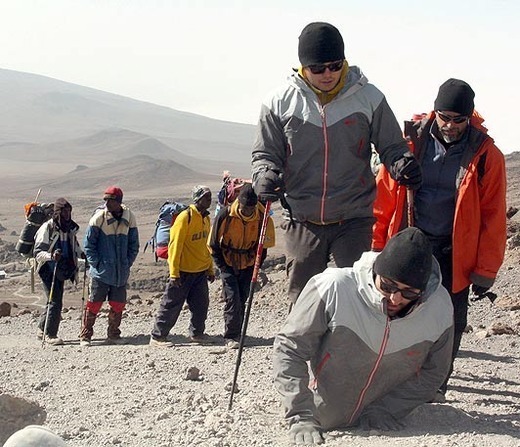
Well that’s exactly what Spencer West did, he climbed 80% of Mount Kilimanjaro just be using his hands! Spencer was born with sacral agenesis, his lower spine was poorly developed, leaving his legs permanently crossed.
Spencer had his legs amputated at the age of five, just below the pelvis. Although he was told he would never be able function properly by doctors, he chose to ignore this and trained for a year in preparation for his Kilimanjaro climb. He finally reached the peak with his two friends after an exhausting seven hour trek to the summit.
As you can see, anyone can reach new heights when they put their mind to it. It may take some a little longer, and require more physically and mentally, but when someone is determined, very little can stand in their way.
If climbing Mount Kilimanjaro is on your bucket list or you’ve have any questions about your expedition to the summit, please get in touch with us to discuss the best options open to you reaching the summit.
Frequently Asked Questions
What does it really mean to push beyond your limits?
Pushing beyond your limits means stepping outside your comfort zone and discovering what you’re truly capable of. It’s not about being fearless, but about moving forward even when things feel difficult. Often, we set mental boundaries long before we reach our actual physical or emotional limits. By challenging those boundaries, we grow stronger and more confident. It’s a journey of self, discovery as much as it is about achievement.
How do I stay motivated when things get tough?
Staying motivated during tough moments comes down to having a clear reason why you started. When you focus on your goal and remind yourself of its importance, it becomes easier to keep going. Breaking the journey into small, manageable steps also helps reduce overwhelm. Support from others, whether friends, teammates, or guides, can lift your spirits when energy is low. Motivation isn’t constant, but persistence keeps you moving forward.
Is it normal to feel like giving up along the way?
Yes, it’s completely normal to feel like giving up when you’re pushing your limits. Challenging experiences often bring moments of doubt, fatigue, and even frustration. These feelings don’t mean you’re failing, they’re part of the process. What matters is how you respond to those moments and whether you keep going. Overcoming that urge to quit is often where the biggest growth happens.
How can I build mental strength for big challenges?
Mental strength is built through practice, just like physical fitness. Setting small goals and consistently achieving them helps build confidence over time. Positive self, talk and visualizing success can also strengthen your mindset. Learning to stay calm under pressure and adapt to challenges makes a big difference. The more you face difficult situations, the more resilient you become.
What does success feel like after pushing your limits?
Success after pushing your limits feels deeply rewarding and personal. It’s not just about reaching the top, but about everything you overcame to get there. You gain a sense of pride, confidence, and a new understanding of your abilities. Even if the journey was hard, the achievement makes it worthwhile. That feeling often inspires you to take on even bigger challenges in the future.
Still have questions?
Our local safari experts are happy to help you plan the perfect African safari.