
Climbing Kilimanjaro can be an extremely challenging trek for you whatever your fitness level and generally it’s not your lack of fitness that stops you from reaching the summit but how well your body is able to cope with the altitude.
Complex physiological changes happen within the body once you climb above 2500m. The air you breath becomes thinner, meaning you take in less oxygen. Climb too quickly and your body has a hard time adjusting to this change.
We say don’t let the altitude go to your head because everyone experiences it differently and if you take the trek at the right pace and listen to your guides and porters, you should escape any real altitude problems without any worries at all.
When you reach the summit of Mount Kilimanjaro the amount of oxygen that is generally available for you is halved and your body has to work a lot harder for the oxygen that’s available to reach your vital organs.
Everyone that decides to take on the challenge of climbing Mount Kilimanjaro should be aware of the symptoms of altitude sickness, although it really isn’t possible to acclimatise to the high altitude completely as there really isn’t enough oxygen to maintain the body for a long period of time, you can acclimatise for a short period so you can reach the summit.
It’s so important that you pace yourself and something you will hear constantly throughout your trek will be “Pole pole” which is Swahili for slow and steady. You need to always keep this in mind because they say it for your well-being.
Keeping well hydrated is very important because it’s extremely easy to dehydrate at such a high altitude without even realising it. The air is extremely dry and your body adjusts to the high altitude by eliminating more water. Generally 4-5 liters of water a day is recommended but all of this is taken care of for you with the right trekking company.
The trained and experienced guides will be continually checking on your welfare and your safety at every stage of the ascent and descent, because your safety in reaching the summit and back is their priority.
Altitude sickness or acute mountain sickness (AMS) occurs when the body fails to adapt quickly enough to the reduced amount of oxygen at higher altitudes. This can result in nausea, bad headaches, dizziness and feelings of complete exhaustion.
One of the main causes of altitude sickness is climbing too high too quickly. That’s why slow and steady is definitely the best way to climb Mount Kilimanjaro.
Before you decide to climb Mount Kili, it is a good idea to visit your doctor to get the once over and be given the all clear for your climb. Your doctor will also be able to recommend some medication to help prevent altitude sickness.
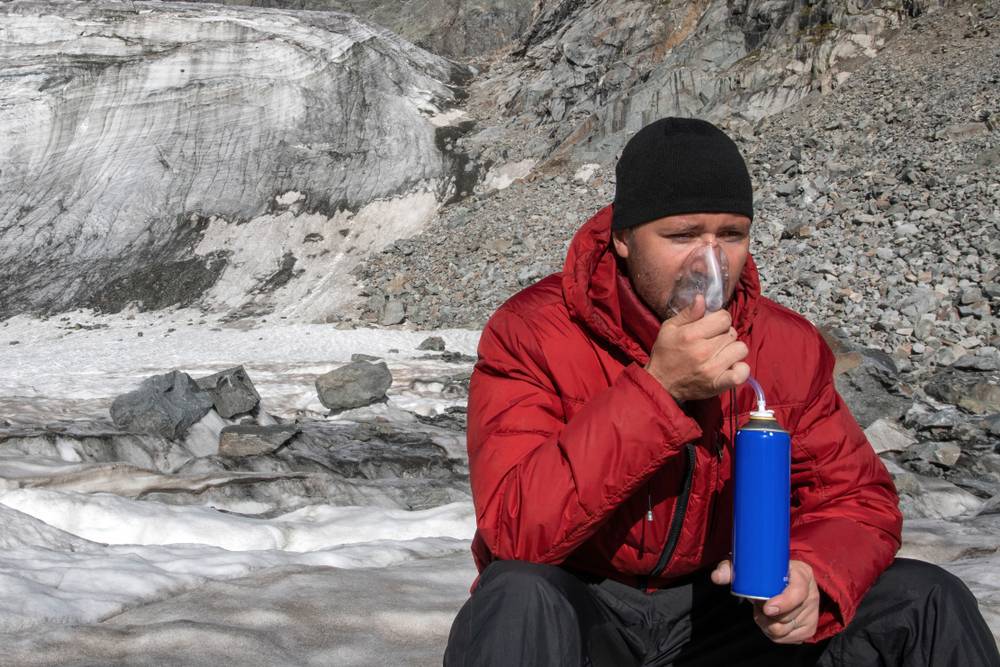
It’s also important that your guides carry the appropriate medical equipment for your trek and are trained as Wilderness First Responders. The equipment should include radios, oxygen and recompression bags to deal will altitude sickness should you experience it as a bare minimum.
Take the time to fully prepare yourself for your climb on Mount Kilimanjaro because the more you prepare the better your experience will be.
Happy Chinese New Year or Gong Xi Fa Cai to all of our Chinese client’s, from everyone here at Kilimanjaro ASAP we hope the year of the Dragon is an auspicious one for you.
Frequently Asked Questions
What does “altitude going to your head” actually mean?
It’s a simple way of describing how high altitude can affect your body and mind. As you climb higher on Kilimanjaro, the air has less oxygen, which can lead to symptoms like headaches, dizziness, or confusion. These effects can come on gradually and sometimes unexpectedly. It doesn’t mean you’re weak, it’s a natural response to altitude. Understanding this helps you take it seriously and respond early.
How can I avoid altitude sickness on Kilimanjaro?
The best way to avoid altitude sickness is to take your time and follow a steady pace. Most guides emphasize “pole pole,” meaning slowly, to help your body adjust. Drinking plenty of water and eating well also supports acclimatization. Choosing a longer route with extra days increases your chances of success. Small, consistent habits make a big difference on the mountain.
What early warning signs should I watch for?
Common early signs include headaches, nausea, fatigue, and trouble sleeping. You might also feel dizzy or lose your appetite as you gain altitude. These symptoms can be mild at first but should never be ignored. Letting your guide know immediately is very important. Catching symptoms early helps prevent them from becoming serious.
What should I do if I start feeling unwell?
If you feel unwell, the first step is to communicate with your guide right away. They may suggest resting, drinking more fluids, or slowing your pace. In some cases, descending to a lower altitude is the safest option. Never try to push through severe symptoms, as that can be dangerous. Your safety always comes before reaching the summit.
Can a positive mindset help with altitude challenges?
Yes, a calm and positive mindset can make a big difference during the climb. Stress and anxiety can make symptoms feel worse, so staying relaxed helps your body cope better. Focusing on one step at a time keeps things manageable. Encouragement from your group and guides also boosts morale. Mental strength, combined with smart decisions, helps you go far.
Still have questions?
Our local safari experts are happy to help you plan the perfect African safari.


