Table of Contents
Usambara Mountains Hiking
The area is located between Moshi and Korogwe and the Kenyan border is a spectacularly beautiful area which you shouldn’t miss if you have the chance to visit. Getting up to Usambara mountains involves negotiating a series of huge hairpin bends with sheer drops on the outer lane virtually the whole way.
Yet despite the steepness, the mountains are cultivated from top to bottom (with the usual maize, bananas, pineapples, beans and tree plantations), so the landscape looks as if it’s had a chequered green tablecloth thrown over it.
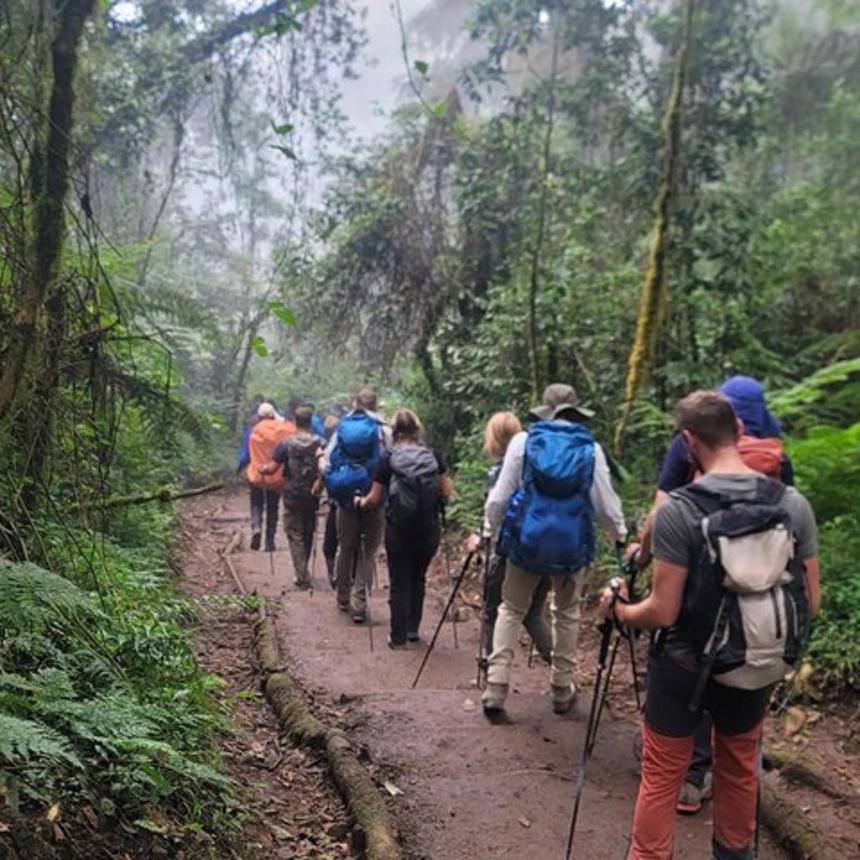
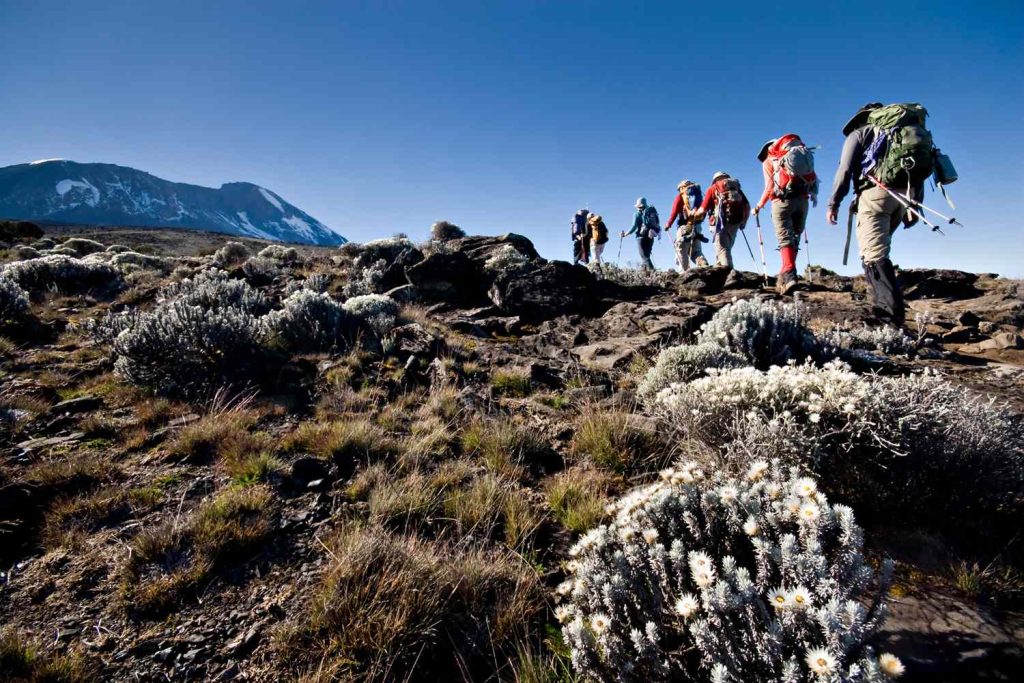
This is walking country, especially for those who like to get to the top of the mountains without too much effort. There is an endless number of gently graded tracks which zigzag up the mountains, with breathtaking views at every turn. It’s almost impossible to get lost as long as you stick to the track.
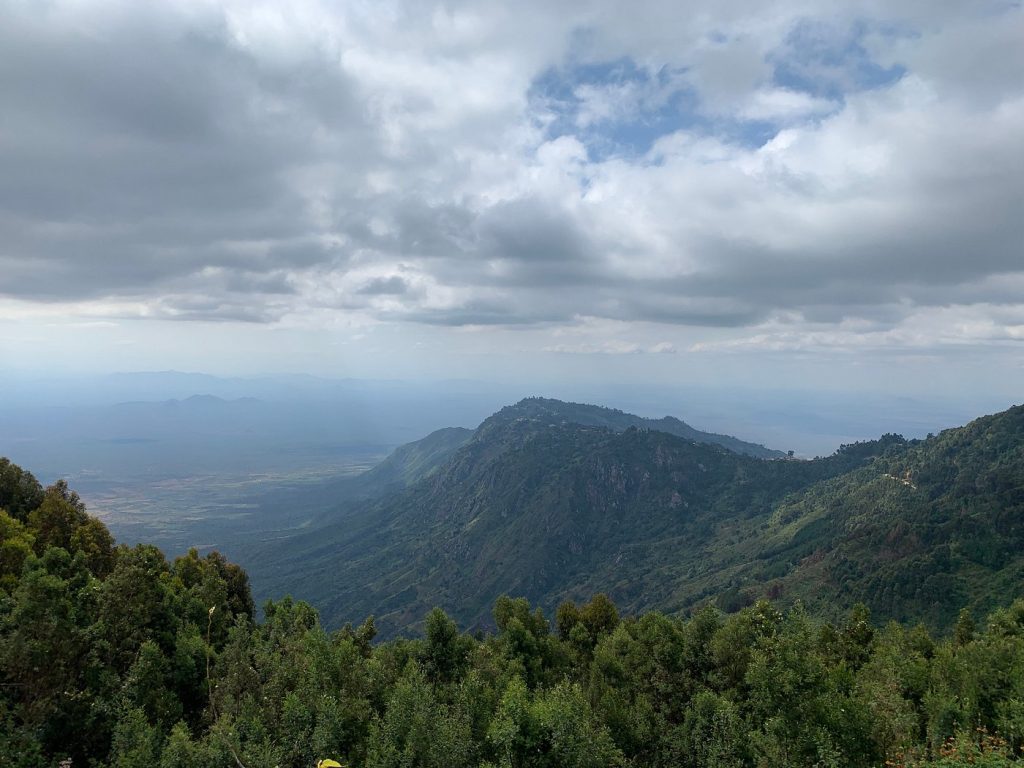
One of the most popular tracks takes you to what’s known as the Viewpoint — a slab of rock at the top of a cliff face looking out over the Mombo to Tanga road and the Maasai Plain. The walk takes about one hour from Lushoto. The views from here are simply incredible.
Lushoto Town
Lushoto, the main center of population in the Usambara Mountains, sits in a valley, though the town is built on several levels, producing a feeling of space. Most of the houses are built from locally manufactured mud bricks and have pitched roofs.
The main government buildings are European in style, and indeed Lushoto was once slated to become the capital of German East Africa back in colonial times. These days it’s a religious centre of sorts, with a bewildering variety of churches, missions and mosques.
Everyone is hard at it here making converts, and even if you’re not hot on religion, it can be fun eavesdropping on religious politics.
How to Get There
To get to Lushoto, take a bus from Mombo on the main Moshi to Korogwe road. Many locals in Mombo will show you where the bus departs from.
The journey takes about 1 and half hours. Buses are usually crowded, but the road is well maintained and sealed all the way. There are also direct buses between Tanga and Moshi.
If you have to stay for an overnight then you try different hotels around the place which is something of a time warp but can have a bar, restaurants, garden, tower and a large fan or air condition. Contact us for more details about visiting the Usambara mountains.
Frequently Asked Questions
Is hiking in the Usambara Mountains suitable for beginners?
Yes, the Usambara Mountains are great for beginners. Many trails are easy to follow and not too steep. You can choose short or long hikes based on your fitness level. A local guide will help you stay on the right path. It is a relaxing way to enjoy nature and fresh air.
What is the best time to hike in the Usambara Mountains?
The best time to hike is during the dry seasons. These are from June to October and from December to February. The trails are easier to walk when they are dry. The weather is also cooler and more comfortable. You will enjoy clear views of the valleys and forests.
What should I pack for a Usambara Mountains hike?
Bring comfortable hiking shoes and light clothing. Carry a rain jacket because the weather can change quickly. Pack enough drinking water and a few snacks. Sunscreen, a hat, and insect repellent are also useful. Don’t forget your camera for the beautiful scenery.
Can I hike the Usambara Mountains without a guide?
It is possible on some popular trails, but a guide is highly recommended. Local guides know the safest routes and hidden viewpoints. They also share interesting stories about the culture, plants, and wildlife. Hiring a guide supports the local community too. It makes your hike more enjoyable and stress, free.
What can I see while hiking in the Usambara Mountains?
The Usambara Mountains are full of beautiful landscapes. You will see green forests, waterfalls, farms, and colourful villages. There are many birds, butterflies, and unique plants along the trails. Some viewpoints offer amazing views across the valleys. Every hike gives you a chance to experience the peaceful beauty of northern Tanzania.
Still have questions?
Our local safari experts are happy to help you plan the perfect African safari.