Table of Contents
If you’re looking for a mountain trekking holiday, the first thing on your checklist should be safety. Safety is paramount with this type of expedition because without the right preparation, equipment and guidance, things can go wrong!
It is more than disappointing that not all Mt Kilimanjaro tour operators value safety as much as they should. When it comes to mountaineering expeditions, only the highest level of service and care will do.
There are many elements to consider under the umbrella of the word ‘safety’ when it comes to trekking a mountain, especially when that mountain is the awesome Kilimanjaro. Your health and safety should be the most important factor in any trek.
Trip Application Booking
When you land on a trekking holiday website, the first thing you should look for is an application form to make your booking. If a site has an in depth application process, you can be confident that they have your best interests at heart. It shows that it’s not just a ‘pay and trek’ organisation, but one that takes everything into account and makes your safety a priority.
Fitness Levels
Even prior to making your booking the trekking operator should be taking your safety into consideration by suggesting you are a good level of fitness, because you need to be at the right level of fitness so your body can handle the trek. They should provide you with tips on how to get in shape and the length of time it will take to do this before you summit.
Health Checks
Daily health checks should be provided every single day of your trek to ensure you remain in a safe state of health to continue the next stage of the trek. Your trek guides should ensure you walk at a reasonable pace to allow for acclimatization
Equipment
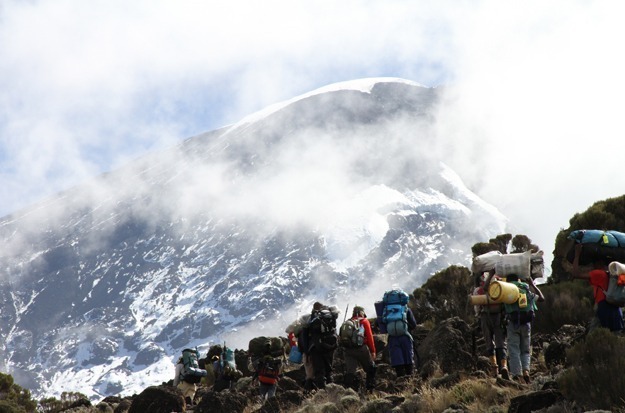
Your trek holiday provider should give you a full breakdown of what equipment you will need and why. Any kind of trip like this takes attention to detail and a great deal of preparation, which is why you must ensure you make the right choice of trek adventure guide for your expedition. The equipment provided should be replaced on a regular basis and checked every day to ensure it’s still in perfect condition.
Insurance
Top trekking companies should require you have a minimum of a medical evacuation rescue insurance. This level of adventure holiday requires sufficient cover so you have total peace of mind when halfway up the tallest (freestanding) mountain in the world! You need to look for a trek company that is affiliated with a reputable insurance company such as Global Rescue.
Ecological Safety
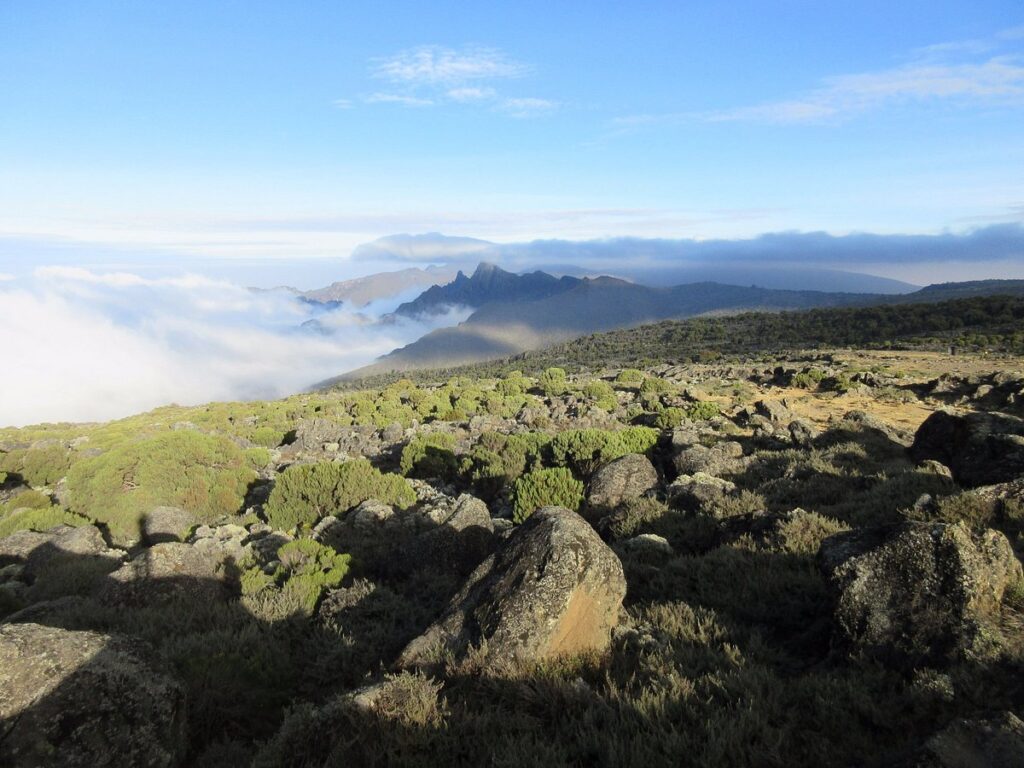
Your trekking guide should also value the safety of other mountaineers who tread your path after you have left the camp. Taking care of the environment is paramount to ensuring everyone enjoys a safe trek. Your mountain guide should adhere to the following points to ensure your trip is ecologically sensitive and safe for you and other mountain visitors.
The idea is to Leave No Trace
- No campfires
- Remove all human waste
- Remove all camp materials on departure
- Leave behind what you find
Guides and Porters
Your guides should all be medically trained and Wilderness First Responder trained as a bare minimum. When you take the time to care about, respect and invest in people, they do the same for you. So it’s important that you do a thorough check on the trek company you’re going to use to ensure they meet the required standards.
Whether your motivation is to climb mount Kilimanjaro to add to your 7 summits, for a personal challenge, to raise money for a charity or to have the trip of a lifetime. The one thing that is important above all else is your safety in doing so.
So, take your time to research the best company to climb Kilimanjaro with, and you can enjoy your adventure trek with peace of mind that you’re in safe hands.
Kilimanjaro ASAP take pride in providing the highest quality mount Kilimanjaro treks and Safari’s in Tanzania. If you want to go mountain trekking with the safety experts then please get in touch with us now.
Frequently Asked Questions
What does it mean to trek Kilimanjaro with safety experts?
Trekking with safety experts means you’re guided by trained professionals who prioritize your health and well, being throughout the climb. These guides are experienced in high, altitude trekking and know how to handle emergencies. They monitor your condition daily and adjust the pace if needed. Their goal is not just to get you to the summit, but to keep you safe along the way. This kind of support gives you peace of mind during the adventure.
What kind of safety checks are done during the trek?
Safety checks are usually done every day to monitor how your body is handling the altitude. Guides may check your oxygen levels, heart rate, and ask about symptoms like headaches or fatigue. These regular checks help detect early signs of altitude sickness. It also allows guides to make informed decisions about your progress. Staying on top of your health is key to a successful climb.
How do safety experts handle altitude sickness?
Safety experts are trained to recognize and respond quickly to altitude sickness. If symptoms appear, they may slow your pace, recommend rest, or adjust your schedule. In more serious cases, they will guide you to descend to a safer altitude. Some teams also carry emergency equipment for added support. Their experience ensures that the right decisions are made at the right time.
What equipment do safety, focused teams carry?
Safety, focused teams often carry equipment like first aid kits, oxygen tanks, and communication devices. Some may also bring portable altitude chambers for emergencies. This equipment can be crucial in remote areas where quick access to medical help is limited. Having these tools on hand adds an extra layer of protection. It shows the team is prepared for different situations.
Why is choosing a safety, focused operator important?
Choosing a safety, focused operator can make all the difference in your Kilimanjaro experience. It increases your chances of reaching the summit safely and comfortably. You’ll feel more confident knowing professionals are looking out for you. It also reduces risks associated with high, altitude trekking. In the end, safety should always come first on a challenge like this.
Still have questions?
Our local safari experts are happy to help you plan the perfect African safari.